
The Tidy Plot: A Case for Order and Intention
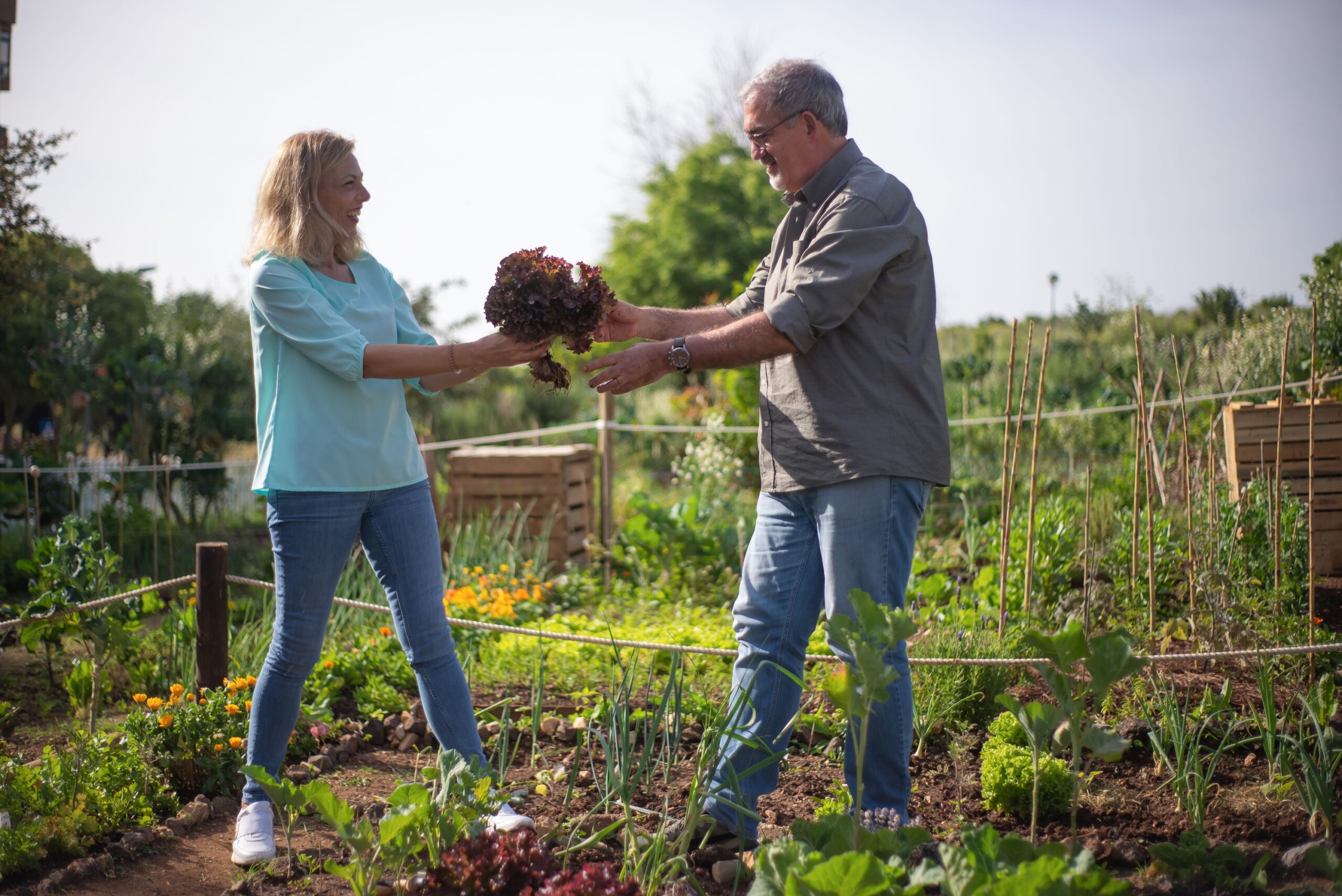
Some gardeners arrive with a plan and stick to it. Their plot is weed-free, the soil is turned and aerated, and the plant labels are legible from several feet away. Most gardeners are motivated by food production to some degree, and some tidy-plot gardeners are especially interested in plant productivity. For them, neatness isn’t vanity. It’s strategy.
One gardener asserted that maintaining a tidy garden was essential for proper soil and plant preparation to support plant vigor, growth, and productivity. There’s a real logic to it, even if the precision can seem almost formal from the outside. Order signals someone who thinks in systems, who finds satisfaction in structure and follow-through.
The Wild Plot: Creativity and a Tolerance for Chaos
Then there are the plots that look, at first glance, like nobody’s in charge. Sprawling squash, self-seeded flowers, a patch of something unidentifiable in the corner. These gardeners are often the most experimentally minded people in the space. They’re testing ideas, letting nature steer, and caring less about the outcome than the process.
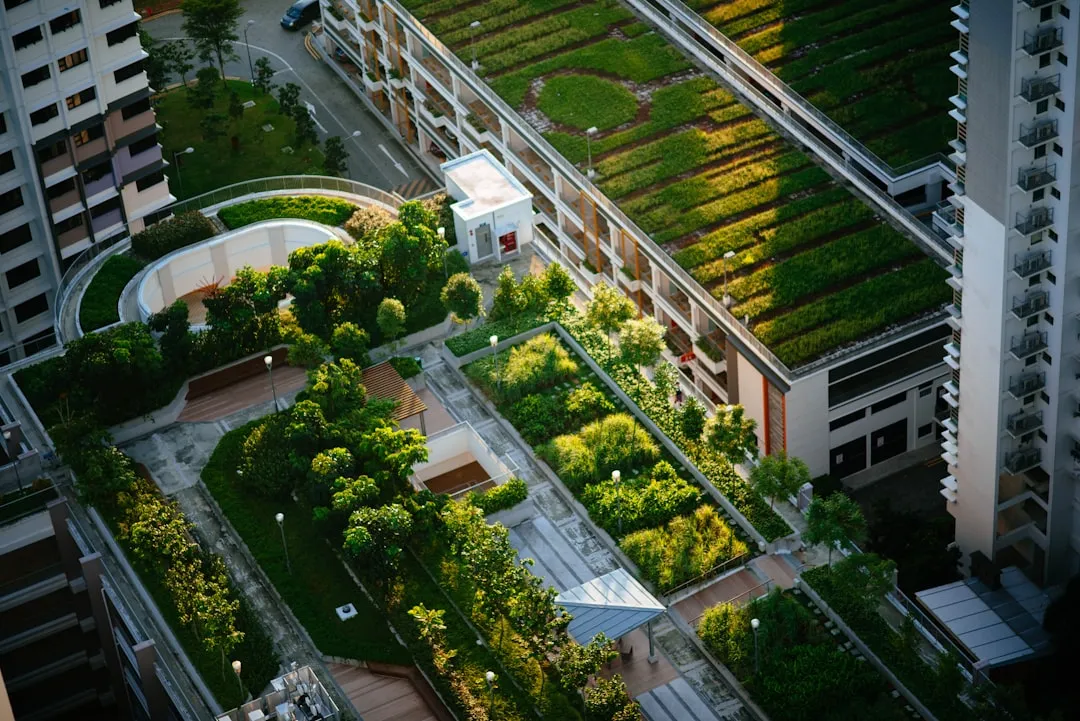
Urban gardens offer a shared environment where volunteers engage in collective cultivation, bringing both physical and psychological benefits. For the more free-form grower, the plot is a sandbox for curiosity. They’re rarely low-effort gardeners. They’re high-tolerance ones, comfortable sitting with uncertainty until something blooms.
The Abundance Grower: Generosity as a Core Value
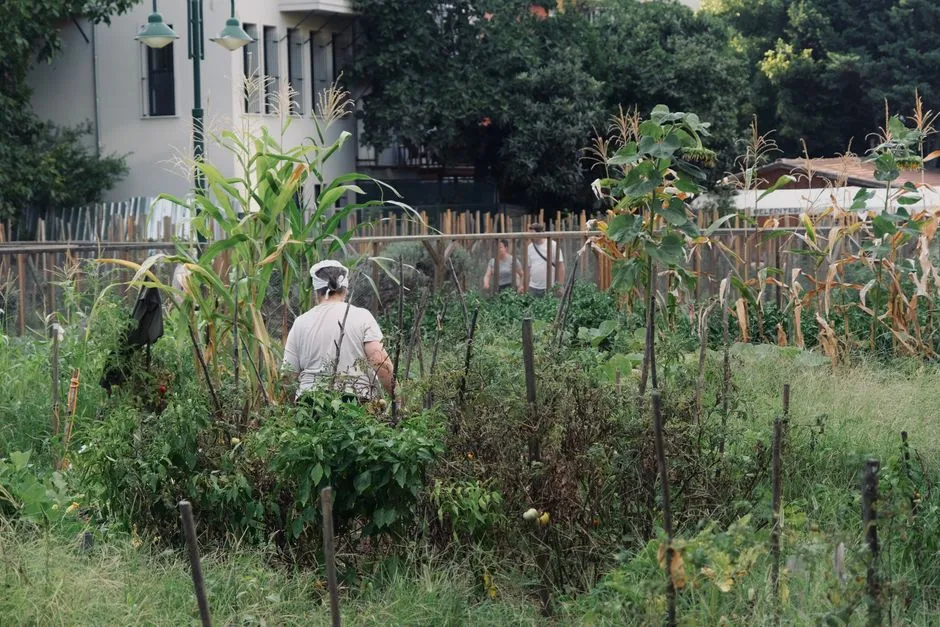
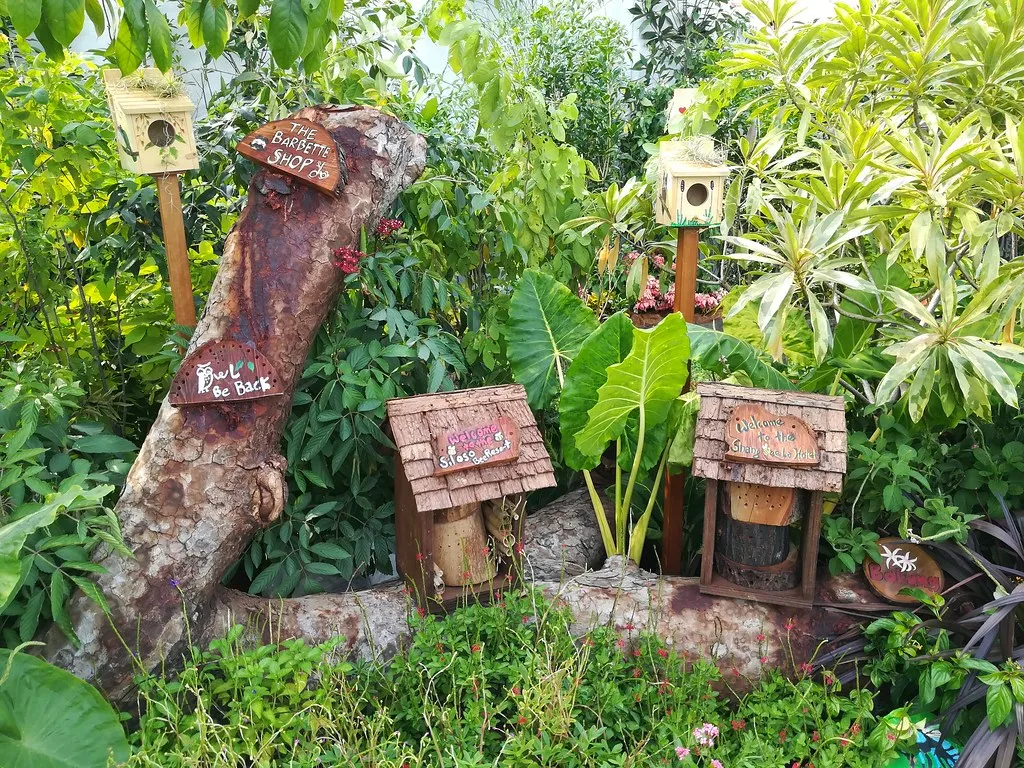
You’ll know this gardener by the pile of zucchini left at the entrance gate with a handwritten “FREE!” sign taped to a cardboard box. They plant more than they need, consistently, and this is not an accident. One goal of community gardening for many participants is to achieve food security while creating a stronger relationship between individuals and their food, and community gardens generally promote organic cultivation methods.
The abundance grower takes those values a step further, turning their plot into a kind of quiet social infrastructure. Many participants engage in community gardening not only for food production but also for the social benefits and community building it fosters. Their motivation isn’t surplus. It’s connection.
The Cultural Gardener: Roots Expressed Through Plants
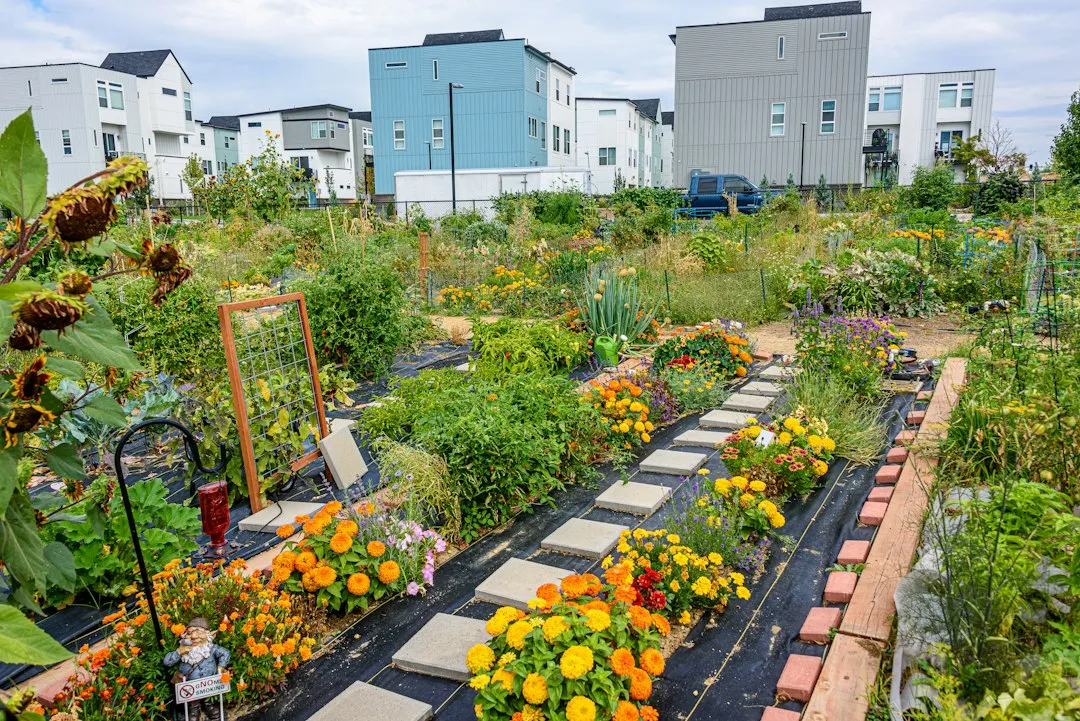
Some of the most striking plots are those where the plant choices tell a story of somewhere else entirely. Bitter melon climbing a trellis, unfamiliar leafy greens, chili varieties you won’t find at any grocery store. Interviews with gardeners in Lincoln, Nebraska suggest community gardens may help develop a sense of belonging and connection with cultural identity, social community, and local environment, including benefits for individuals who identify as immigrants.
Community gardens provide a sense of ownership, resources to help integrate new communities, and a space to nurture existing cultural identities for intersectionally diverse gardeners. For this gardener, the plot isn’t just about food. It’s a continuation of memory, of family practice, and of cultural pride carried across distance.
The Social Gardener: Here for the People, Not Just the Plants
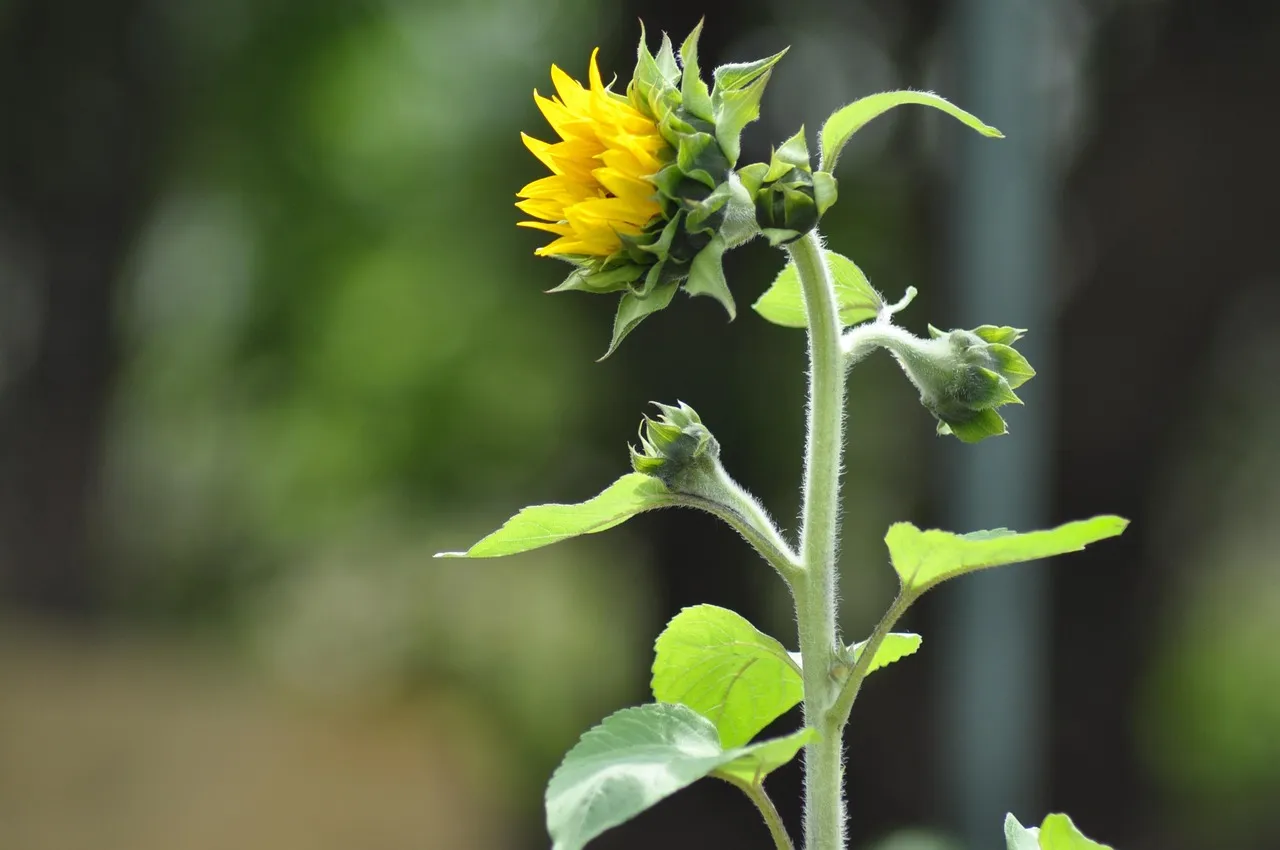
This person’s plot is rarely the most productive, but their presence in the garden is felt by everyone. They’re the ones who know every neighbor’s name, who organize the seed swap, and who linger long after the weeding is done. Community gardening has been shown to reduce stress, improve mood, and foster social connection while simultaneously improving psychological well-being through improving neighborhood connection, trust, and social networking.
When participants garden with others, whether that was fellow community gardeners or family or friends, those benefits are enhanced even further. For the social gardener, those benefits are the entire point. The tomatoes are secondary.
The Therapeutic Gardener: Processing Something Quietly
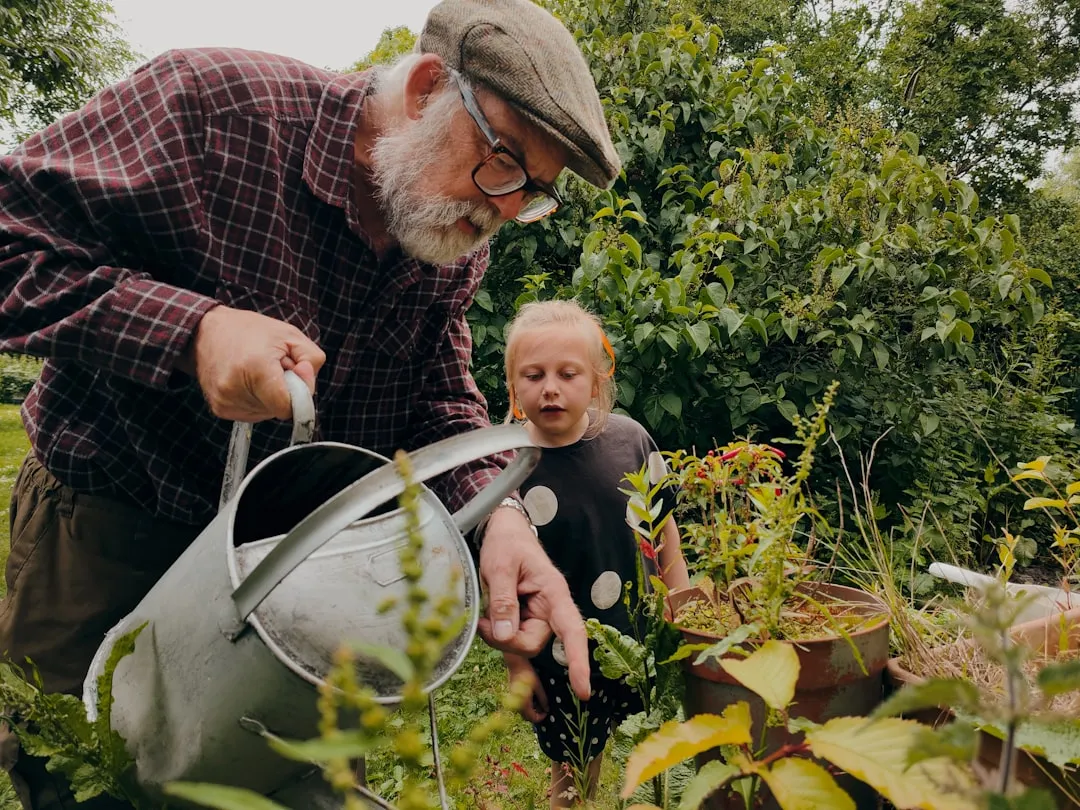
Not everyone arrives at a community garden from a place of ease. Some come there precisely because life has become heavy, and the plot offers something rare: a problem with a visible solution, and a result you can hold in your hand. Gardening enhances cognitive functions like memory and focus, making it an effective tool in mental health interventions for individuals with depression and anxiety.
Significant improvements in depression, anxiety, quality of life, mindfulness, life satisfaction, social cohesion, and happiness have been observed in individuals with mental ill-health following therapeutic community gardening interventions. The therapeutic gardener may not talk openly about this, but the care they put into their patch reflects an inner discipline that’s genuinely hard-won. Their plot tends to be both modest and deeply tended.
The Civic-Minded Gardener: The Plot as a Political Statement
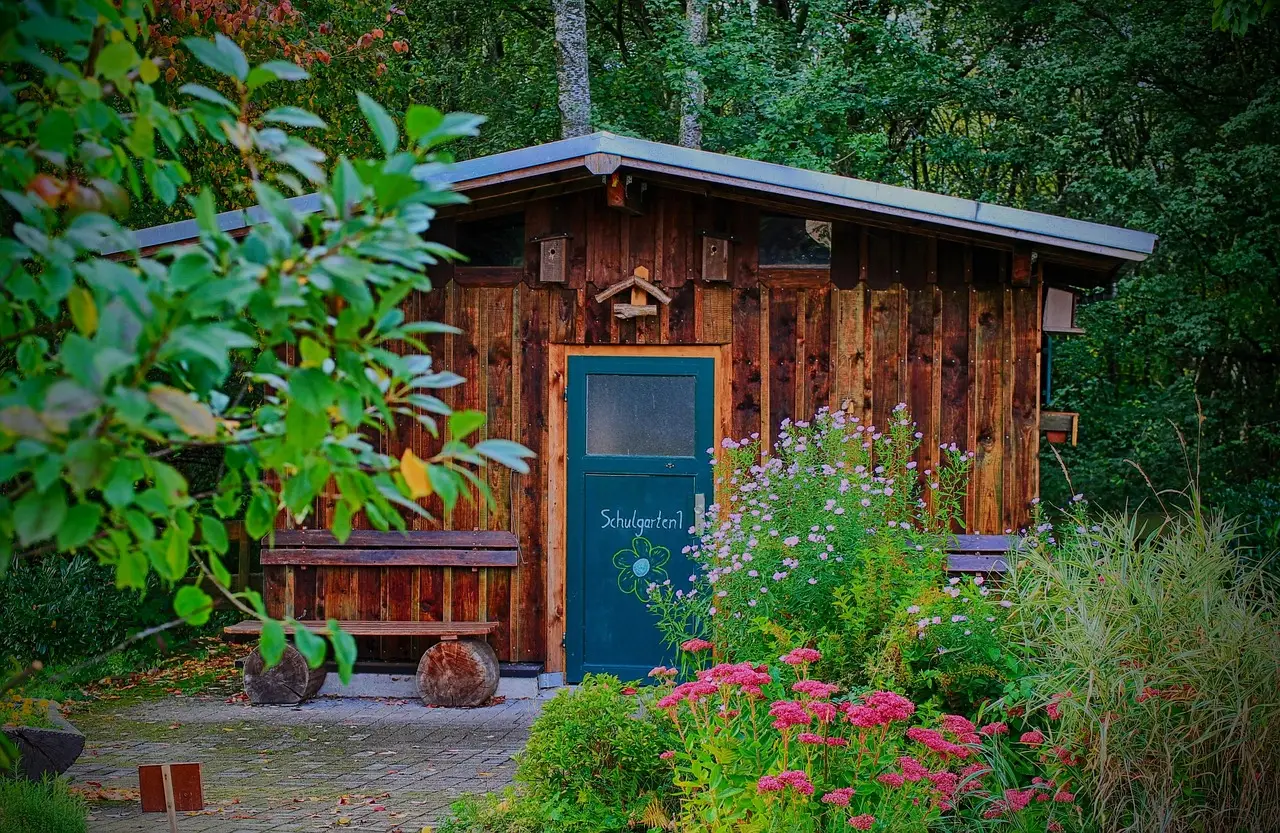
Some gardeners see the shared plot as an extension of their broader worldview. They compost rigorously. They read about soil health. They post about water rights. Community garden participation is associated with increased levels of civic participation, social capital, neighborhood engagement, and satisfaction. The plot, for them, is a form of local activism expressed through growing.
Interviews with Latino community gardeners in New York suggest that gardens can host social, educational, and cultural events, and in some cases, promote local activism. This is the gardener most likely to show up to a city planning meeting, petition for garden expansion, or introduce a neighbor to the concept of food sovereignty. Their values are embedded right there in the soil.
The Regenerative Gardener: Long-Term Thinking, Visible on the Surface
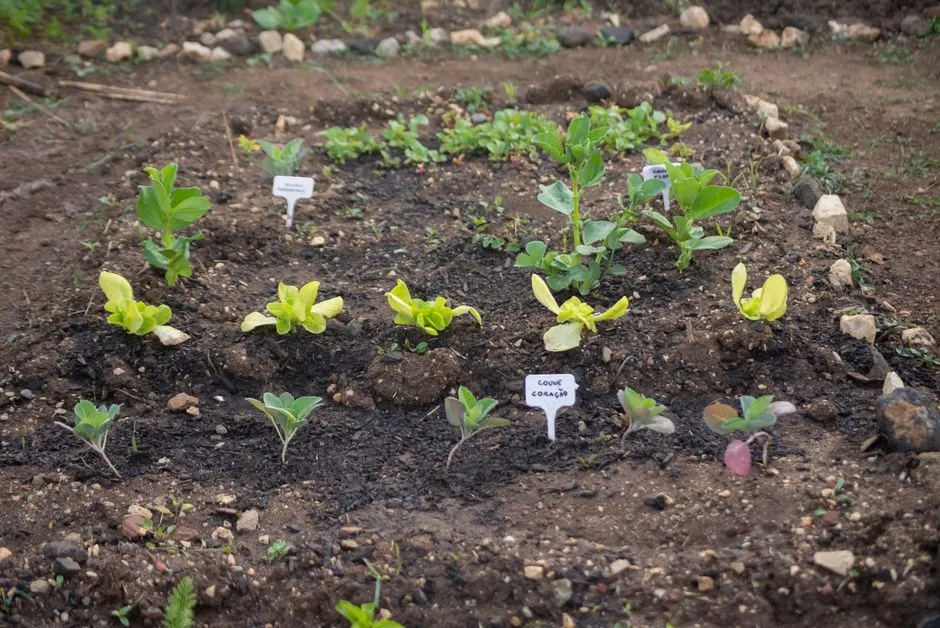
Cover crops in winter. Compost from collected food scraps. Companion planting. One gardener described their ideal garden as “regenerative to absorb carbon emissions,” noting that compost made from food scraps collected by neighbors is placed over the soil throughout the year, with plants always growing and cover crops in the winter. This approach reflects a mindset that thinks beyond the current season.
Available evidence suggests community gardening in urban areas can increase green space, environmental sustainability, and improve urban public health. The regenerative gardener is, in a way, making a wager on the future. Their plot looks different because their time horizon is different from almost everyone else’s around them.
The Purposeful Beginner: Confidence in Progress, Not Perfection
The beginner’s plot is easy to spot: a few half-successful seedlings, one inexplicably thriving tomato, and a look of genuine pride when anything survives. But what makes this gardener interesting is the reason they showed up in the first place. Participating in community gardening has been shown to significantly improve overall life satisfaction, feelings of happiness, and a sense of belonging in the community.
Many individuals find joy, purpose, and meaning in their garden work, and their confidence and self-esteem is boosted, which helps them deal with mental health challenges such as depression, anxiety, and stress. For the beginner, the imperfect plot is evidence of courage: a willingness to try something unfamiliar and to learn in public.
The Resilient Gardener: Community as a Survival Strategy
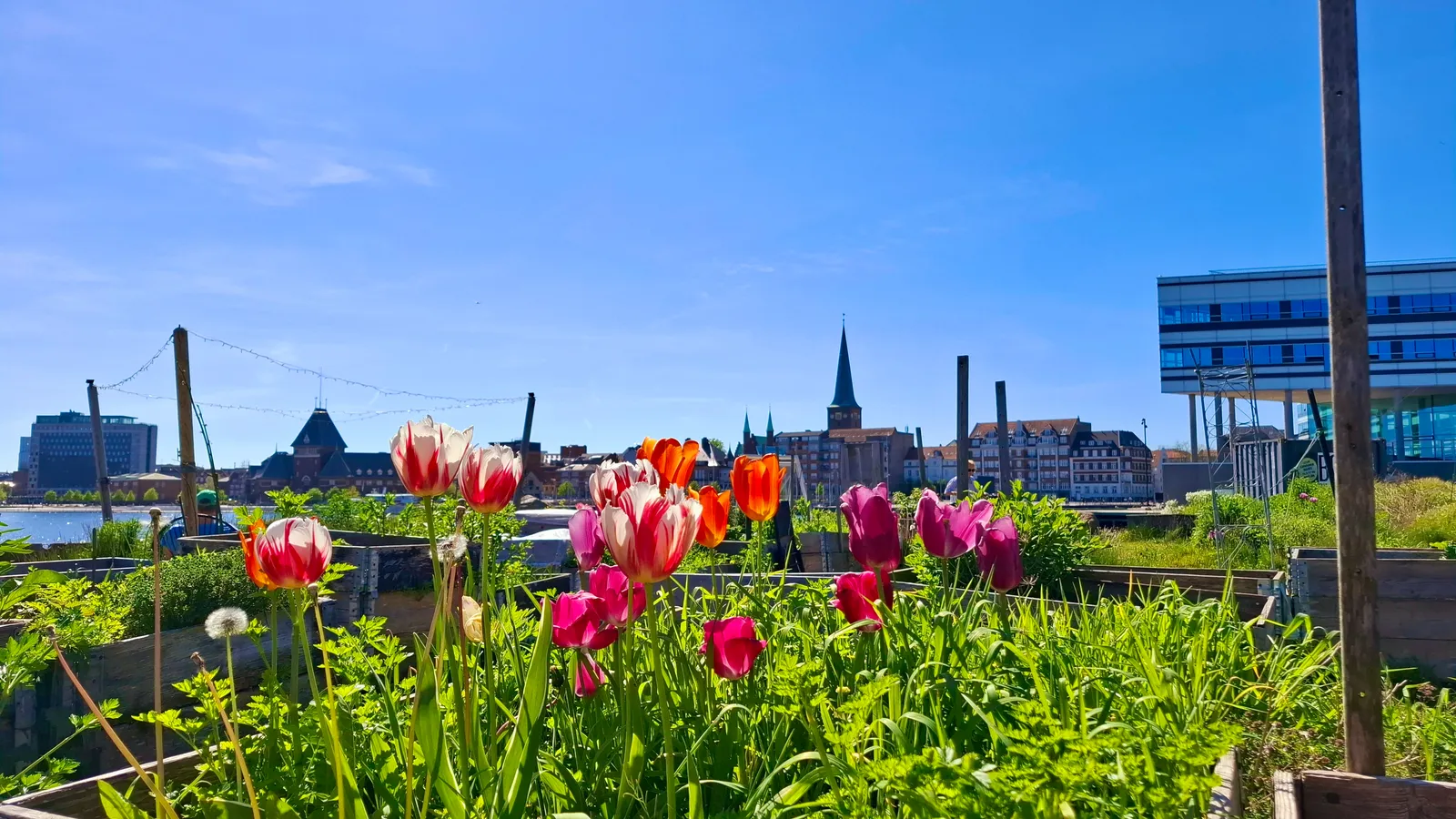
There’s one more type, often overlooked. The gardener who came not because gardening is trendy, but because growing food is genuinely necessary. A sense of belonging in connection with access to growing plots has been linked to psychological well-being and resilience. For this person, the plot is simultaneously practical, political, and emotional.
Community gardens are associated with improvements in mental health, reduced stress and anxiety, reduced isolation and symptoms of depression, and increased social connectedness. Their plot tends to be intensively used, rotated carefully, and rarely wasted. Participation in community gardens nurtures various forms of resilience along individual, group, and community dimensions. What this gardener builds is not just a harvest. It’s a buffer.
The Garden as Portrait
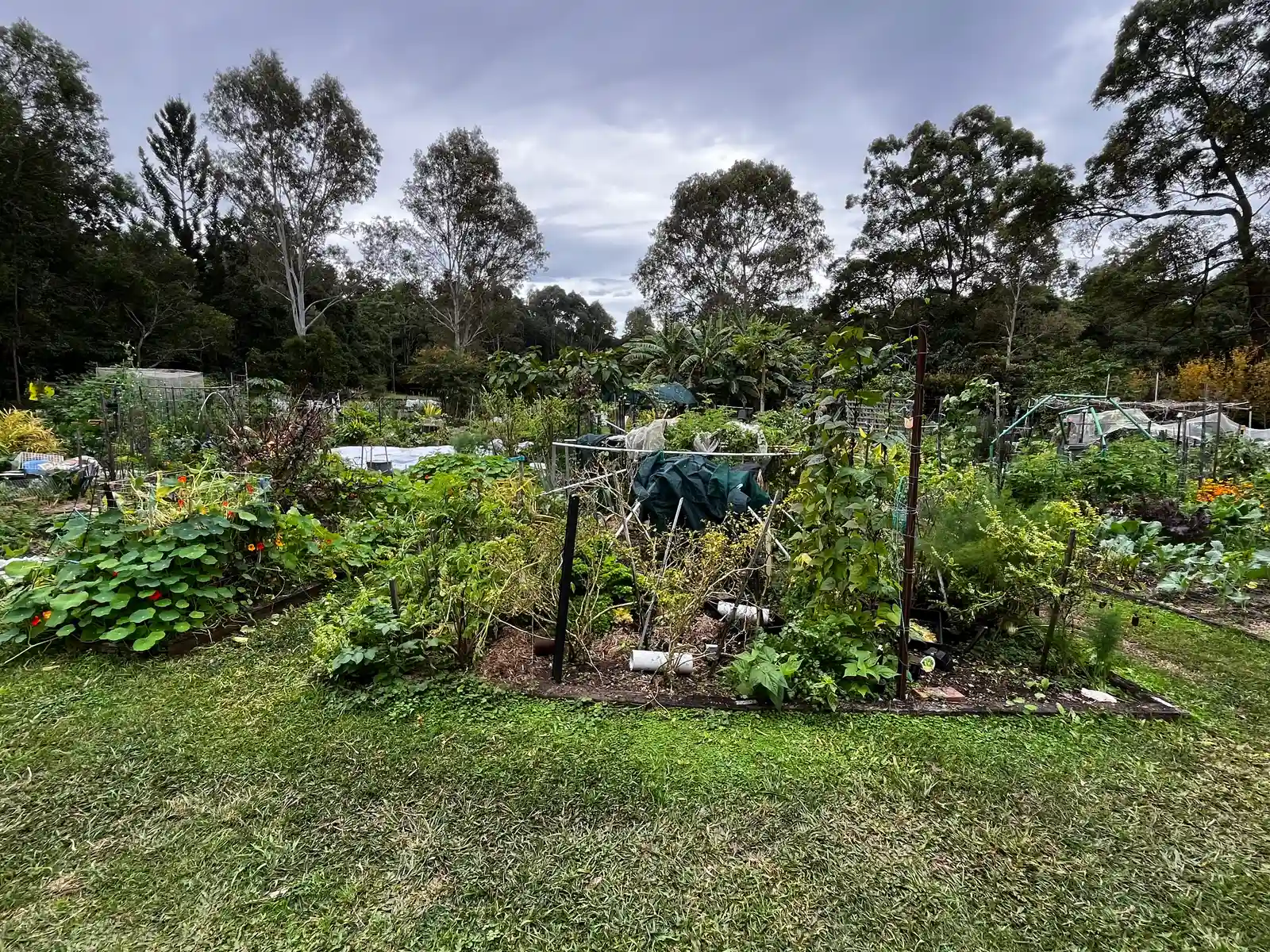
A community garden plot is genuinely hard to fake. Unlike a social media profile or a professional biography, it shows up week after week demanding real decisions: what to grow, how much effort to give, whether to share, whether to ask for help. Those choices, made repeatedly across a season, accumulate into something like a self-portrait.
The research keeps pointing in the same direction: people don’t come to these gardens just for vegetables. Community gardening participants experience positive changes in physical activity, psychological wellbeing, and motivation for social engagement. The plot is where those changes take root, quite literally, and where character becomes visible to anyone patient enough to look.
AI Disclaimer: This article was created with the assistance of AI tools and reviewed by a human editor.