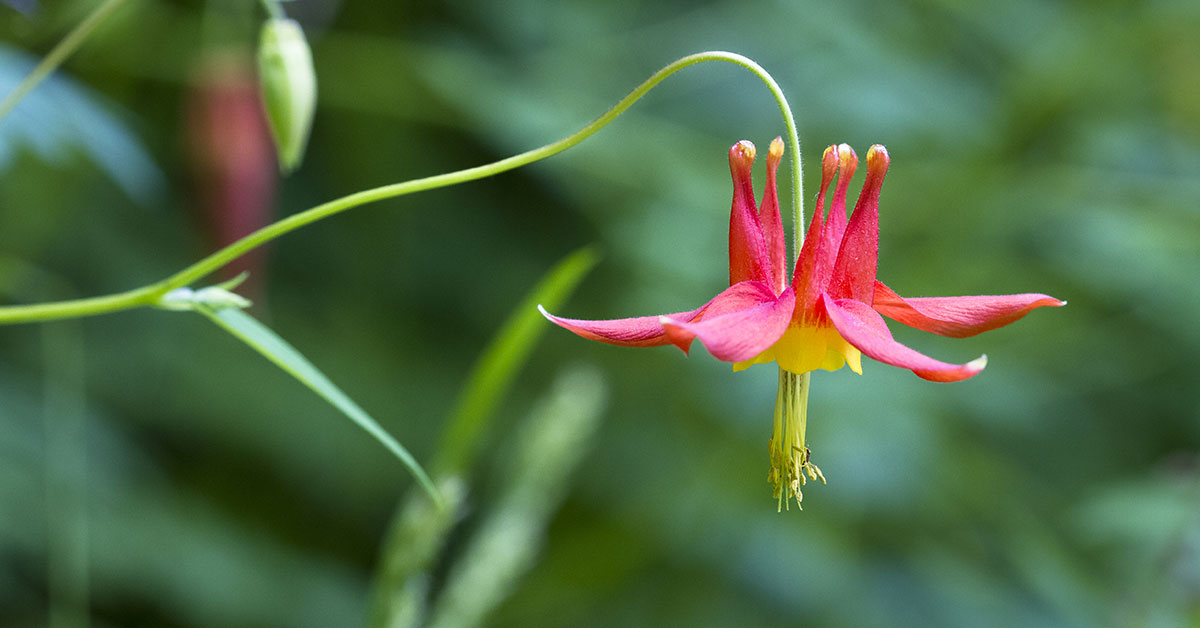

The Western Columbine (Aquilegia formosa) is a beautiful and unique species of flowering plant found in the western regions of North America.
Known for its distinct red and yellow flowers, this plant has been admired by nature enthusiasts for centuries. With its long blooming season and ability to thrive in different environments, the Western Columbine has become a popular choice for gardeners and landscapers alike.
In this article, we’ll explore the characteristics and benefits of the Western Columbine, as well as tips on how to care for and cultivate this stunning plant.
What is a Western Columbine?
Western Columbine, also known as Aquilegia formosa, is a stunning perennial wildflower found in western North America. This plant belongs to the buttercup family and is known for its uniquely shaped flowers. The plant is also called Red Columbine, Wild Columbine, or Crimson Columbine. It grows up to 1-3 feet tall and has beautiful red and yellow flowers that bloom from May to August.
The Western Columbine has a unique appearance, with its bell-shaped flowers that are about an inch long. The flowers have five pointed petals that are red, orange, or yellow in color. The center of the flower contains five long spurs that are green and yellow, giving the flower a unique appearance. The foliage of the plant is also attractive, with blue-green leaves that are divided into three leaflets.
This plant is an important source of nectar for hummingbirds, bumblebees, and butterflies. It is also used for medicinal purposes by some native tribes. The Western Columbine is easy to grow and maintain, making it a popular choice for gardeners. It thrives in well-drained soils and prefers partial shade to full sun.
Where is Western Columbine native?
The Western Columbine is a beautiful and iconic wildflower that is native to the western part of North America. This flower is commonly found in many regions of the United States, including Alaska, California, Colorado, Idaho, Montana, Nevada, Oregon, Utah, Washington, and Wyoming.
In addition to the United States, the Western Columbine can also be found in British Columbia and Alberta, Canada. It is a hardy plant that is well-suited to the cooler climates of the Pacific Northwest and the Rocky Mountains.
The Western Columbine is a popular choice for gardeners and horticulturists because of its showy, bell-shaped flowers and unique foliage. It is also an important part of many ecosystems, as it provides food and habitat for a variety of pollinators, including hummingbirds, butterflies, and bees.
Despite its widespread distribution, the Western Columbine is considered a threatened species in some areas due to habitat loss and fragmentation. Efforts are being made to conserve and protect this beautiful plant, and many organizations and individuals are working to ensure that it continues to thrive in its natural habitat for generations to come.
How to start this plant from seeds
Western Columbine is a beautiful and hardy perennial that is native to the western regions of North America. Its delicate, bell-shaped flowers come in a range of colors, from red and orange to yellow and pink, and its foliage is lacy and attractive. If you want to grow Western Columbine in your garden, you can start it from seed. Here’s how to get started:
- Gather your supplies: You will need a container, potting soil, Western Columbine seeds, and a watering can.
- Prepare your container: Fill your container with potting soil, leaving about an inch of space at the top. Moisten the soil by gently watering it with a watering can.
- Sow the seeds: Sprinkle the Western Columbine seeds evenly over the surface of the soil. Don’t cover the seeds with soil, as they need light to germinate.
- Water the seeds: Use a watering can to gently water the seeds. Be careful not to wash them away.
- Cover the container: Cover the container with plastic wrap or a clear lid to create a greenhouse effect. This will help keep the soil moist and warm, which will encourage the seeds to germinate.
- Place the container in a warm, bright location: Western Columbine seeds need warmth and light to germinate, so place the container in a warm, bright location. A windowsill that gets plenty of sunlight is a good spot.
- Keep the soil moist: Check the soil regularly and water it as needed to keep it moist. Don’t let it dry out.
- Be patient: Western Columbine seeds can take anywhere from two to four weeks to germinate. Be patient and continue to care for the container as needed.
- Transplant the seedlings: Once the seedlings have grown a few inches tall and have developed several sets of leaves, they are ready to be transplanted into your garden. Choose a spot that gets partial shade and has well-drained soil.
How to grow this plant
Western Columbine, also known as Aquilegia formosa, is a popular perennial plant that is native to the western United States. This plant is known for its delicate, bell-shaped flowers that bloom in a variety of colors, including red, yellow, and orange. If you’re interested in growing Western Columbine in your garden, here are some tips to get you started.
Choose the right location
Western Columbine prefers to grow in partial shade or full sun, depending on the climate. In general, it does best in cooler regions, where temperatures don’t get too hot. If you live in a warmer climate, consider planting your Western Columbine in a location that gets partial shade during the hottest part of the day.
Prepare the soil
Western Columbine prefers well-draining soil that is rich in organic matter. If your soil is heavy or clay-like, consider amending it with compost or other organic materials to improve its drainage. You can also add a slow-release fertilizer to the soil to give your plants a boost.
Plant your Western Columbine
Plant them in the spring, after the last frost. Dig a hole that is slightly larger than the root ball of the plant, and place it in the hole, making sure that the top of the root ball is level with the surface of the soil. Water your plant thoroughly after planting.
Water and care for your plant
This plant prefers to be kept moist, but not wet. Water your plant regularly, especially during hot, dry weather. Mulching around the base of the plant can help to retain moisture in the soil and keep the roots cool. Deadhead the spent flowers to encourage more blooms throughout the growing season.
Watch for pests and diseases
Western Columbine is generally resistant to most pests and diseases, but it can be susceptible to powdery mildew in humid conditions. If you notice a white, powdery film on the leaves of your plant, treat it with a fungicide to prevent the spread of the disease.
Interesting facts about Western Columbine
Western Columbine is a beautiful flowering plant that is native to the western regions of North America. Here are some interesting facts about this stunning plant:
- The name “Aquilegia” comes from the Latin word “aquila,” which means “eagle.” This is because the shape of the flower resembles an eagle’s talons.
- Western Columbine is a member of the Ranunculaceae family, which includes other popular garden plants such as buttercups and delphiniums.
- The plant has distinctive red and yellow flowers that bloom in the spring and summer. The flowers are also known for their sweet scent, which attracts bees and hummingbirds.
- The leaves of the plant are also distinctive, with a fern-like appearance and a bluish-green color.
- Western Columbine has a long history of medicinal use by native peoples. It has been used to treat a variety of ailments, including sore throats, headaches, and stomach problems.
- The plant is also known for its hardiness and adaptability. It can grow in a variety of soil types and is resistant to many pests and diseases.
- In addition to its beauty and medicinal properties, Western Columbine is also an important food source for many animals, including deer, elk, and birds.
- The plant has also been used in horticulture for many years, and there are now many different cultivars available with a range of flower colors and shapes.
It is a fascinating and beautiful plant with a rich history and many uses. Whether you are a gardener, a nature lover, or just appreciate the beauty of the natural world, this plant is definitely worth getting to know.