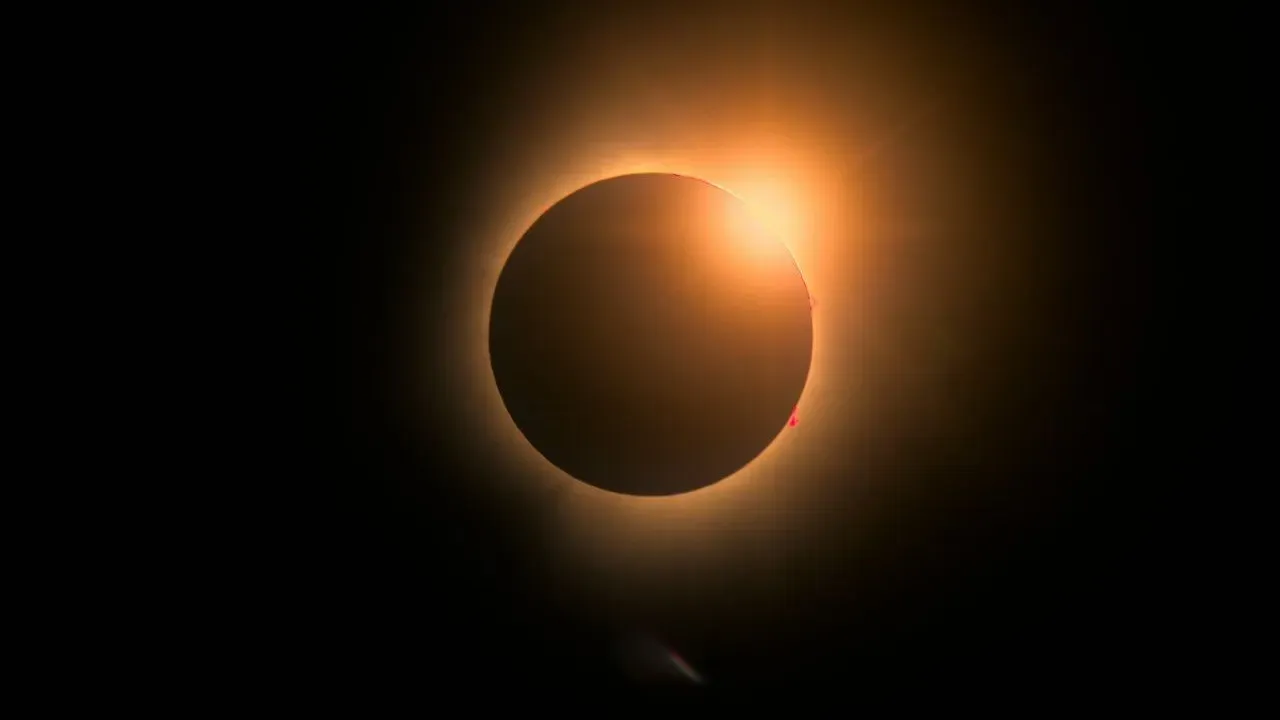

Sky watchers have a rare chance to witness three distinct celestial events unfold on the same day this week. A solar eclipse, a meteor shower, and a planetary parade are all expected to appear, creating an unusual alignment that draws attention to the rhythms of the solar system. The timing invites people to step outside in the evening or early morning hours and look upward from their own yards or nearby open spaces.
Why the Same-Day Timing Stands Out
Celestial events often occur weeks or months apart, so their overlap on a single Wednesday creates a compact window for observation. Viewers do not need specialized equipment or travel to remote sites. A clear horizon and patience can reveal each phenomenon in sequence or overlapping periods.
The planetary parade involves several planets appearing in a line across the sky, visible to the naked eye under dark conditions. This arrangement offers a steady reference point while the other events unfold. Observers in suburban or rural settings often report the best results when city lights are minimal.
Preparing for the Solar Eclipse
A solar eclipse occurs when the Moon passes between the Earth and the Sun, briefly altering daylight patterns. Safe viewing practices remain essential, including the use of certified solar filters or indirect projection methods. The event adds a dramatic shift in light that many notice even without looking directly at the Sun.
Those planning to watch from home can check local sunrise or sunset times to align their viewing window. The eclipse portion tends to draw the most attention because of its immediate visual impact on the surrounding landscape and sky color.
The Meteor Shower Component
Meteor showers produce streaks of light as small particles enter the atmosphere and burn up. On this Wednesday the shower is expected to contribute several visible meteors per hour during peak hours. Comfortable seating and a wide view of the sky improve the chances of catching multiple trails.
Activity often increases after midnight, though some meteors may appear earlier. The combination with the other events means viewers can switch focus between steady planetary positions and sudden bright streaks without changing locations.
Planet Parade Viewing Tips
The parade places several planets along a roughly straight path, making them easier to identify against the background stars. Binoculars can enhance detail but are not required for basic spotting. The steady presence of these points serves as a backdrop for the more fleeting eclipse and meteor activity.
Clear weather forecasts increase the likelihood of success. Even partial cloud cover can obscure parts of the display, so checking conditions the evening before helps set realistic expectations.
What matters now: Clear skies and a willingness to look up turn an ordinary Wednesday into an opportunity for shared outdoor moments. The events require no special tickets or reservations, only attention to the sky above familiar surroundings.
The alignment serves as a reminder that everyday spaces can host extraordinary natural displays when timing and conditions align. Many will carry the memory of that single evening into the weeks ahead.
AI Disclaimer: This article was created with the assistance of AI tools and reviewed by a human editor.