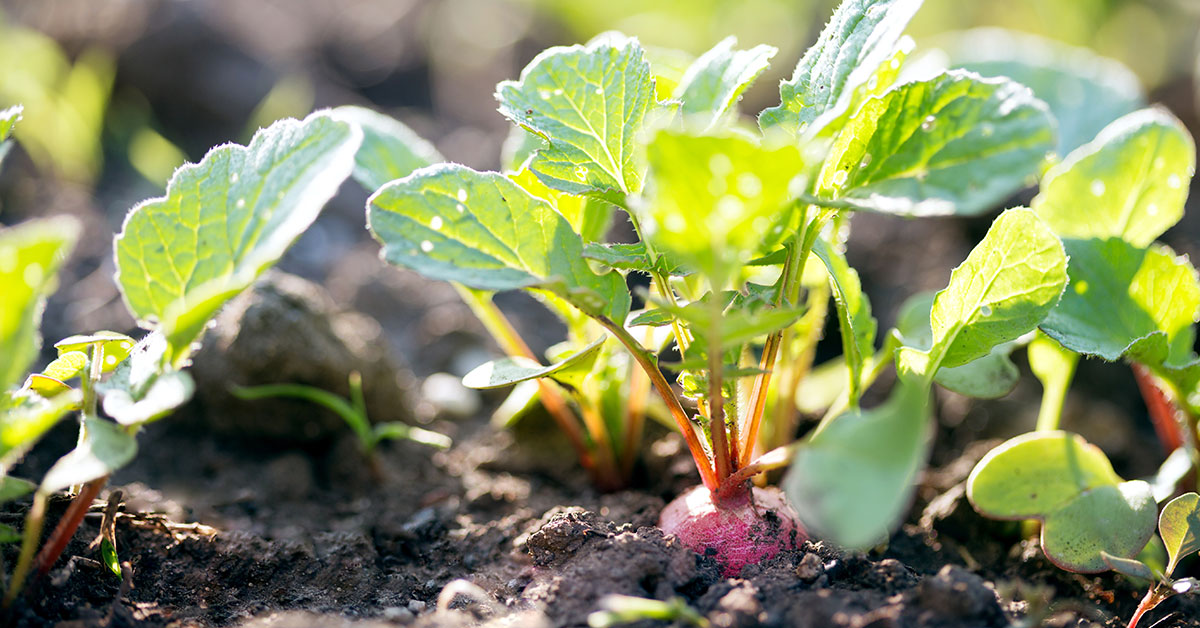

Watermelon Radish is a vibrant and nutritious gem that will surely add a burst of color to your garden and culinary creations. With its striking appearance resembling a miniature watermelon, this heirloom radish variety has gained popularity for its unique flavor and stunning visual appeal. Whether you are an experienced gardener or a novice enthusiast, growing Watermelon Radish is a rewarding experience that will elevate your gardening skills and enrich your palate.
In this article, we will delve into the fascinating origins, cultivation techniques, health benefits, and creative ways to incorporate this delightful radish into your meals. Get ready to discover the secrets of growing and savoring the magnificent Watermelon Radish.
What is a Watermelon Radish?
A Watermelon Radish, also known as Rooseheart or Red Meat radish, is a unique and visually striking vegetable. It is a variety of radish that belongs to the Brassicaceae family, which includes cabbage, kale, and broccoli. The name “Watermelon Radish” is derived from its appearance, as the interior flesh of this radish is reminiscent of the vibrant pinkish-red hues of a watermelon. The round to oval-shaped radish typically grows to about 3-4 inches in diameter and has a smooth, thin skin that is light green in color. When you slice open a Watermelon Radish, you’ll discover a stunning center that transitions from pale green near the skin to a deep pink or red color at the core.
The color intensity can vary depending on the maturity of the radish, with younger ones tending to be more vibrant. The radish’s interior color is often described as similar to that of a watermelon, hence the name. In terms of taste, Watermelon Radish offers a mild and slightly peppery flavor, similar to other radish varieties. However, its texture is crisp and crunchy, making it a popular choice for adding a refreshing element to salads or slaws.
The radish’s eye-catching appearance also makes it a favorite for garnishing dishes or adding a pop of color to various culinary creations. When it comes to cultivation, Watermelon Radishes thrive in cool weather and are typically grown as a fall or winter crop. They require well-drained soil and regular watering to ensure healthy growth. Like other radishes, they are usually planted by sowing seeds directly into the ground, and they mature within a relatively short period of time, usually around 50-60 days.
In summary, Watermelon Radish is a visually stunning vegetable with a mild and slightly spicy flavor. Its vibrant pinkish-red interior and greenish skin make it a unique addition to salads, slaws, and various dishes. Whether you’re a gardener looking to grow something visually appealing or a food enthusiast seeking a flavorful and colorful ingredient, Watermelon Radish is sure to impress.
What does Watermelon Radish taste like?
The Watermelon Radish is a unique and vibrant vegetable that offers a delightful taste experience. Its flesh is crisp, juicy, and slightly sweet, with a mild peppery kick. When you take a bite, you will notice a refreshing and slightly earthy flavor, reminiscent of a regular radish but with a more delicate and subtle taste profile. The sweetness of the radish is not overpowering but adds a pleasant contrast to its peppery notes. Overall, the taste of a Watermelon Radish is refreshing, mildly spicy, and has a hint of sweetness, making it a delicious addition to salads, sandwiches, or even enjoyed on its own.
How to start from seed
Starting watermelon radish from seed is a relatively simple process. Here are the steps to get you started:
- Choosing the right seeds: Look for watermelon radish seeds from a reputable seed supplier or nursery. Make sure the seeds are fresh and check the recommended planting time for your specific region.
- Soil preparation: Watermelon radish prefers well-draining soil with a pH level of 6.0 to 7.0. Prepare the soil by removing any weeds or grass, and loosen it with a garden fork or tiller. If the soil is heavy or clayey, add some organic matter like compost or well-rotted manure to improve its texture and fertility.
- Sowing the seeds: Watermelon radish can be directly sown into the garden bed or started indoors in seed trays. If starting indoors, fill seed trays with a good-quality seed starting mix, moisten it slightly, and sow the seeds about half an inch deep. If sowing directly outdoors, make shallow furrows in the prepared soil, sow the seeds, and cover them lightly with soil.
- Watering and care: Water the newly sown seeds gently to avoid displacing them. Keep the soil consistently moist but not waterlogged. Once the seedlings emerge, thin them to provide enough space for growth. Watermelon radish plants should be spaced about 4-6 inches apart.
- Sunlight and temperature: Watermelon radish requires full sun to partial shade, so choose a location in your garden that receives at least 6-8 hours of direct sunlight daily. The ideal temperature range for watermelon radish is between 50°F and 85°F (10°C to 29°C).
- Fertilization: Apply a balanced organic fertilizer or compost around the plants about a month after sowing. This will help provide the necessary nutrients for healthy growth.
- Weed control: Regularly remove any weeds that compete with watermelon radish for nutrients and water. Mulching around the plants can help suppress weed growth while conserving moisture.
- Harvesting: Watermelon radish takes approximately 60-70 days to mature. You can start harvesting when the radishes have reached their desired size, usually around 3-4 inches in diameter. Gently pull or dig them out of the ground, being careful not to damage the roots.
Remember to rotate your crops every year to prevent disease buildup and maintain soil fertility. With proper care, you’ll soon be enjoying the crisp and vibrant Watermelon Radish from your own garden!
Planting and growing Watermelon Radish
Planting and growing a Watermelon Radish involves several steps. Here’s a guide to help you:
- Select a suitable location: Choose a sunny spot in your garden with well-drained soil. Watermelon Radishes prefer loose soil that is rich in organic matter.
- Prepare the soil: Before planting, prepare the soil by removing any weeds or debris. Work in compost or well-rotted manure to improve fertility and drainage.
- Sow the seeds: Watermelon Radishes can be directly sown into the garden or started indoors and transplanted later. If sowing directly, sow the seeds about ½ inch deep and 2-3 inches apart. If starting indoors, plant the seeds in trays or pots, and transplant seedlings when they have grown about 2-3 inches tall.
- Watering: Keep the soil consistently moist during germination and throughout the growing season. Avoid overwatering, as it can lead to rotting or splitting of the radishes.
- Thinning: Once the seedlings emerge, thin them out to provide enough space for the radishes to develop properly. Thin the plants to about 4-6 inches apart to allow room for the roots to grow.
- Fertilizing: Apply a balanced organic fertilizer or compost around the plants every few weeks to ensure they receive adequate nutrients. Watermelon Radishes are heavy feeders, so regular fertilization is recommended.
- Mulching: Apply a layer of organic mulch such as straw or shredded leaves around the plants. Mulching helps retain moisture, suppresses weed growth, and regulates soil temperature.
- Pest and disease control: Monitor your plants regularly for any signs of pests or diseases. Common pests that may affect Watermelon Radishes include aphids, flea beetles, and root maggots. Use organic pest control methods or insecticidal soaps to manage infestations.
- Harvesting: Watermelon Radishes typically take about 55-65 days to mature. Harvest them when they reach their desired size, usually around 2-4 inches in diameter. Gently pull them out of the ground, taking care not to damage the roots.
- Storage: Remove the tops of the radishes and store them in a cool, dark place. They can last for several weeks if stored properly.
By following these steps, you can successfully plant and grow Watermelon Radishes in your garden. Enjoy your harvest!
When to harvest
The best time to harvest a watermelon radish is typically when it reaches maturity, which is around 60-70 days after sowing the seeds. It’s important to check the size and color of the radish to determine its readiness for harvest. Watermelon radishes are known for their vibrant pink or red interior, which resembles the color of a watermelon. When the radish has reached a size of about 2-4 inches in diameter and the color is fully developed, it is usually ready to be harvested. Additionally, gently brushing away some soil around the radish can help you assess its size and color without pulling it out of the ground.