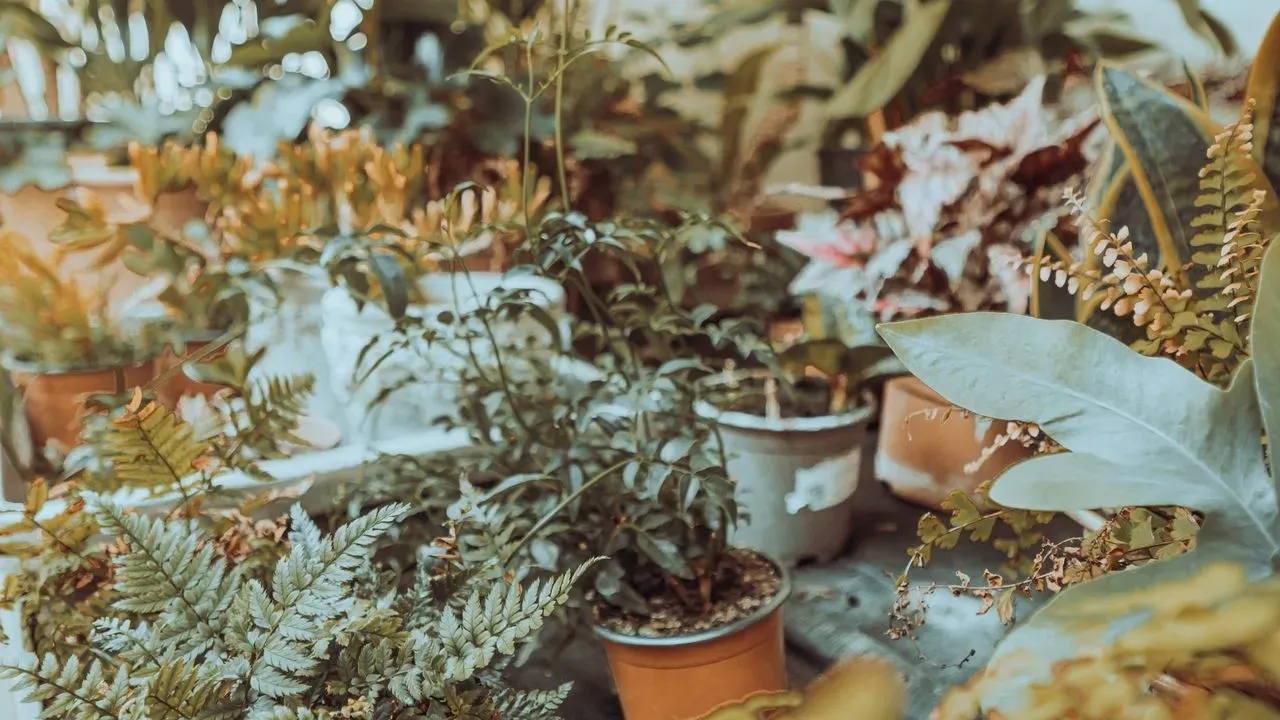

Houseplants rely on consistent care, yet one of the most routine tasks can undermine their long-term health. Regular watering, while necessary for survival, flushes away primary nutrients from the limited volume of potting soil in containers. This process, known as leaching, leaves plants with fewer resources over time even when they appear to receive adequate moisture. The original discussion on this topic appears at ([1]).
The mechanics behind nutrient loss
Potting mixes in containers hold far less material than garden beds, so every thorough watering carries dissolved minerals out through drainage holes. Nitrogen, phosphorus, and potassium move with the water, reducing the soil’s fertility with each cycle. Over months, this depletion compounds because plants continue to draw what remains while new inputs from fertilizers may not fully compensate.
Salt buildup from tap water and fertilizers adds another layer of stress. These residues concentrate as water evaporates, sometimes reaching levels that hinder root function. The result is slower growth or visible stress even when light and temperature remain suitable.
Recognizing when soil needs attention
Plants often signal trouble before obvious decline sets in. Yellowing leaves, stunted new growth, or wilting despite moist soil can point to exhausted nutrients or compacted structure. Water that runs straight through the pot or pools on the surface suggests the mix has lost its ability to retain moisture and air properly.
Visible white crusts on the soil surface or around the pot rim indicate salt accumulation. In severe cases, roots may appear brown or sparse when the plant is gently lifted for inspection. These signs typically emerge after a year or more of continuous use, though faster-growing species show them sooner.
Practical timelines for refreshing soil
Most sources recommend a full soil replacement or major refresh every 12 to 18 months for typical houseplants. Fast-growing tropical varieties such as pothos or African violets often benefit from annual attention, while slower species like snake plants or cacti can remain in the same mix for two to three years. Large containers with substantial soil volume extend these intervals because they buffer nutrient loss better than small pots.
Partial refreshes offer a middle path. Removing the top few inches and replacing them with fresh mix restores some fertility without disturbing the entire root system. This approach suits mature or sensitive plants that resent full repotting. Frequency still depends on fertilizer use, water quality, and how heavily the plant feeds.
Supporting soil health between changes
Periodic leaching helps manage salt buildup without a complete soil swap. Placing the pot in a sink or outdoors and slowly running several times the container’s volume of water through the mix flushes excess minerals. Doing this every few months, especially after heavy fertilizing, keeps conditions more balanced.
Choosing the right potting mix initially and matching fertilizer strength to plant needs also slows depletion. Organic amendments or slow-release options reduce the rapid washout associated with frequent liquid feeding. Monitoring plant response remains the most reliable guide rather than rigid calendars.
Consistent observation paired with timely soil renewal keeps container plants thriving far longer than neglected mixes allow. The quiet effect of daily watering becomes manageable once gardeners account for it in their routine.
AI Disclaimer: This article was created with the assistance of AI tools and reviewed by a human editor.