

I know how frustrating it is to walk into your garden expecting lush late‑summer growth, only to find chewed leaves, wilting blossoms, or sticky residue on your prized plants. As the season peaks, many pests ramp up their feeding before autumn cools things down, and without early intervention, they can severely impact your fall harvest and next year’s budding blooms!
In this article, I’m excited to share nine of the most common late‑summer garden pests—each with unique habits, origins, and behaviors. From aggressive invaders to native nibblers, you’ll learn how to spot their damage, understand where they hide or nest, and take action before they overstay their welcome. Let’s dive in and reclaim your garden!
Japanese Beetles (Popillia japonica)

Introduced from Japan in the early 20th century, Japanese beetles are now invasive across much of North America. Adult beetles feed in large, gregarious groups—skeletonizing leaves of roses, grapes, and beans—while grubs tunnel underground, munching grass roots and weakening lawns. They lay eggs in moist soil in late summer, ensuring next year’s emergence unless you intervene!
One of my favorite defensive tactics is tossing cut Japanese beetle–infested foliage into a bucket of soapy water early in the morning when beetles are sluggish. Additionally, introducing beneficial nematodes to lawn areas can help curb grub populations. By attacking both the above‑ground adults and below‑ground larvae, you protect your perennials and turf from dual threats!
Squash Vine Borers (Melittia cucurbitae)
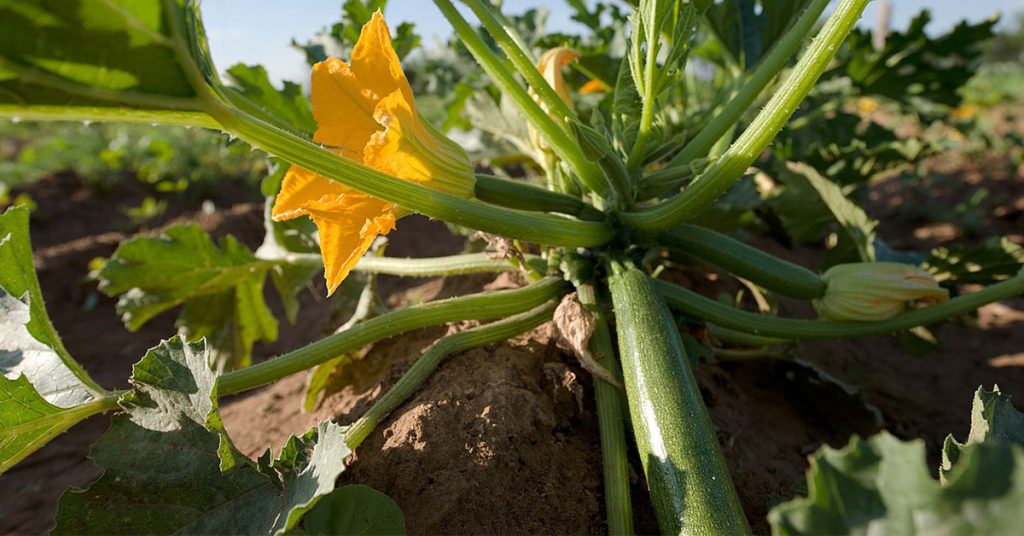
Native to North America, squash vine borers specialize in cucurbit crops like zucchini, pumpkins, and squash. The adults resemble small clearwing moths and lay eggs at the base of vines in August. Once hatched, the larvae burrow into stems, disrupting water flow and quickly causing wilting from the inside out!
It’s such a bummer to watch healthy vines collapse overnight. One of my go‑to methods is wrapping the lower stem in aluminum foil to block egg‑laying sites, then gently slit and inspect stems weekly—removing any borers by hand. Complement this with row covers early in the season to limit moth access, and you’ll keep your squash patch thriving into fall.
Cucumber Beetles (Acalymma vittatum & Diabrotica spp.)
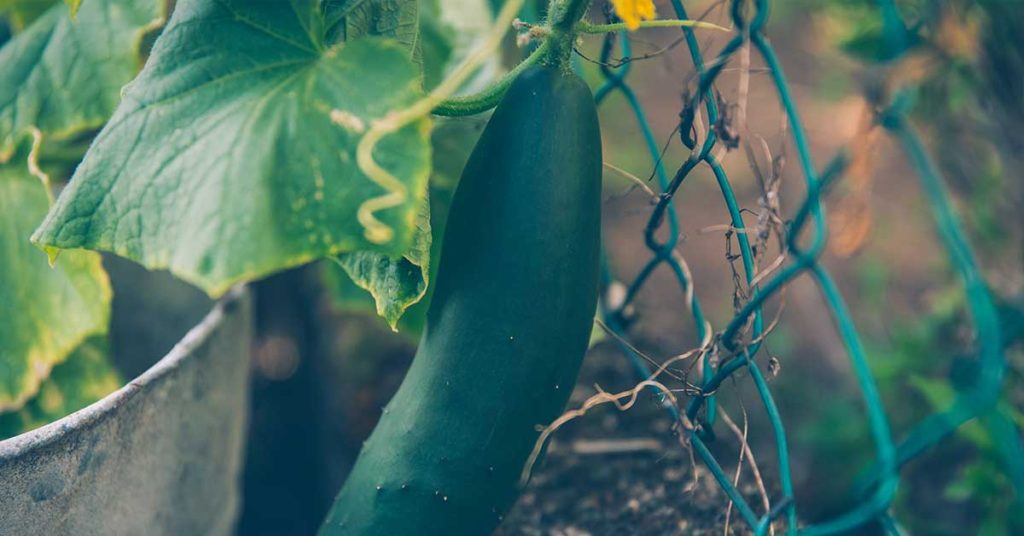
Striped and spotted cucumber beetles, native to eastern North America and invasive western pests, swarm cucurbits and other nightshades in late summer. They chew holes in leaves, damage fruit, and vector bacterial wilt—a disease that can decimate melons and gourds. Females lay eggs at the soil surface; larvae feed on roots, impacting plant vigor!
One season, I noticed tiny yellow larvae wriggling around basil transplants—turns out, cucumber beetle grubs will nibble tender roots if cucurbits are scarce. I now practice regular row cover use until pollination, interplant with basil (which repels beetles), and introduce trap crops like radishes to lure adults away. Combined cultural and physical barriers make a big difference!
Tomato Hornworms (Manduca quinquemaculata)
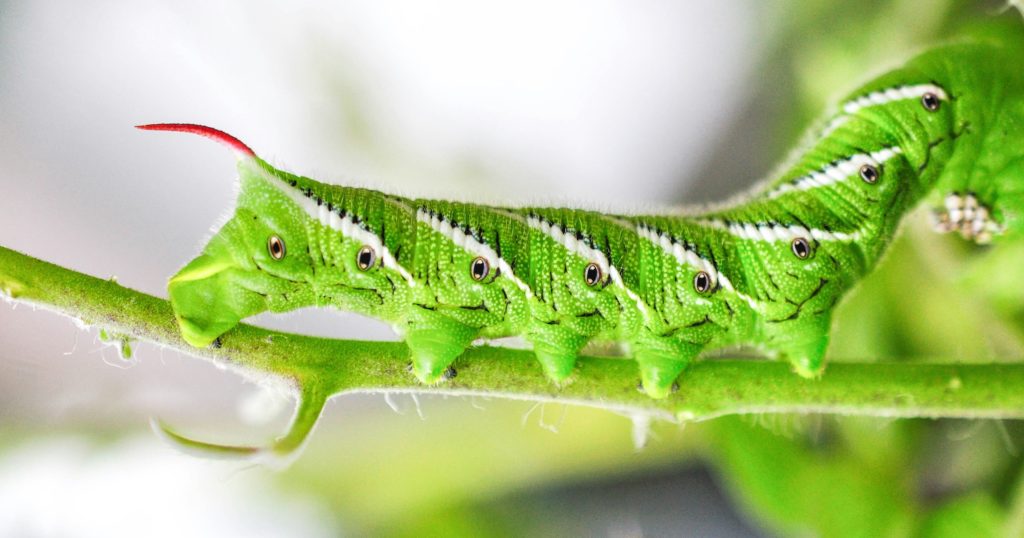
The large green caterpillars of the tobacco hornworm, native across North America, can strip tomato, pepper, and eggplant foliage overnight. They pupate in soil after late‑summer feeding, emerging next year as sphinx moths. While they rarely become invasive, their size and appetite earn them “garden terror” status!
I’ve spent many August evenings scanning tomato rows with a flashlight, plucking off these hefty worms before they reach full size. For a natural twist, I encourage nesting of parasitic braconid wasps by planting dill and parsley nearby—those wasps lay eggs in hornworms, turning them into mobile wasp nurseries and reducing the next generation!
Aphids (Aphidoidea spp.)
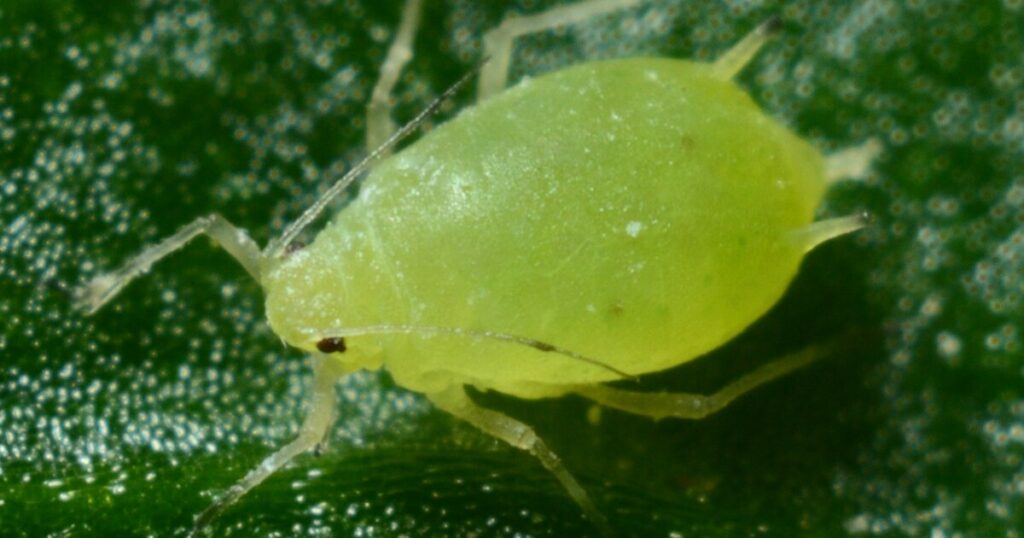
Aphids, tiny sap‑sucking insects native worldwide, congregate on tender new growth of roses, beans, and asters in late summer. Their feeding distorts leaves and exudes honeydew, leading to sooty mold growth. Many species overwinter as eggs on woody hosts, so controlling them now prevents heavy egg loads next spring!
I love cultivating ladybird beetles, lacewings, and hoverflies—our garden’s tiny pest patrol—to feast on aphids. Planting yarrow and alyssum provides nectar and shelter for these beneficials. And when aphid populations spike, a blast of water or an insecticidal soap application can knock down colonies while preserving predator insects.
Spider Mites (Tetranychus urticae)

Spider mites, tiny arachnids often mistaken for insects, thrive in hot, dry late‑summer conditions. They puncture leaf cells to feed, causing stippling, yellowing, and fine silk webbing on roses, herbs, and vegetables. Some species, like the two‑spotted spider mite, are not invasive but multiply explosively when unchecked!
I find that regularly misting undersides of leaves helps prevent outbreaks, since spider mites prefer dry environments. Introducing predatory mites (Phytoseiulus persimilis) can offer biological control—these tiny hunters seek out their prey and keep populations in check. Monitoring weekly on a bright sheet of paper lets you catch early signs before severe damage.
Slugs and Snails (Various species)

Slugs and snails, many native and some invasive (like the European gray slug), emerge in late summer when soil is damp. They feed at night on hostas, lettuce, and young seedlings, leaving irregular holes and silvery slime trails. Adult snails lay clusters of eggs in soil crevices, ensuring a quick rebound after control efforts!
One of my favorite organic deterrents is creating beer traps—shallow containers filled with cheap beer attract and drown slugs overnight. Additionally, rough barriers of crushed eggshells or diatomaceous earth around vulnerable plants can slow their advance. Encouraging toad and ground beetle habitats also introduces natural predators into the mix.
Whiteflies (Bemisia tabaci & Trialeurodes vaporariorum)

Whiteflies, small sap‑sucking insects native to many regions, colonize undersides of leaves on tomatoes, peppers, and ornamentals in late summer. They excrete sticky honeydew and spread plant viruses. The adults flutter up in clouds when disturbed, making control challenging once populations explode!
I’ve found yellow sticky traps to be effective early detection tools—place them near infested plants to catch flying adults. For treatment, insecticidal soap or neem oil sprayed directly beneath leaves smothers eggs and nymphs. Pair this with reflective mulch to confuse newcomers, and you’ll be far ahead of the whitefly blitz.
Earwigs (Forficula auricularia)
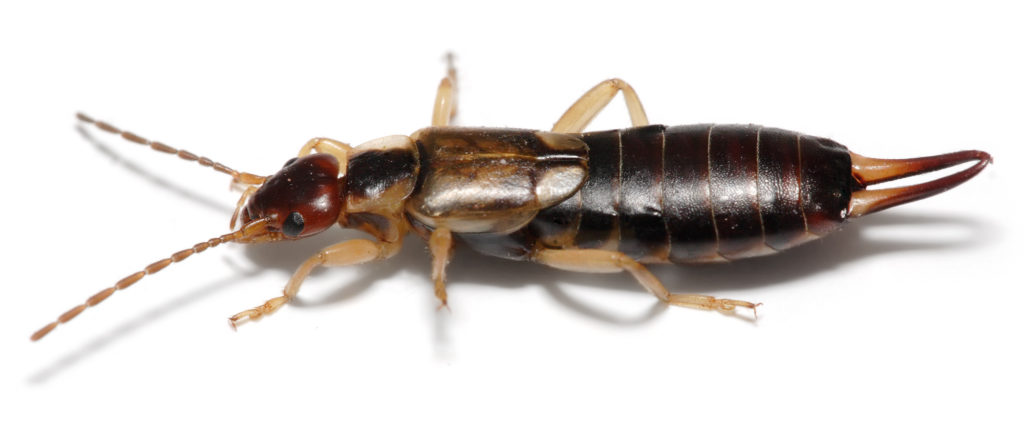
European earwigs, now widespread and invasive in North America, shelter in cool, damp daytime refuges and emerge at dusk to feed on tender petals of dahlias, lettuce, and strawberries. Though they also eat aphids and other pests, their damage to blossoms and young shoots makes them unwelcome late‑season guests!
I recommend setting up rolled corrugated cardboard tubes as refuges—each morning, collect and shake out the earwigs into soapy water. This trapping method reduces populations without harsh chemicals. Additionally, removing debris and mulching sparingly cuts down on their preferred hiding spots, guiding them toward your traps instead of your blooms.