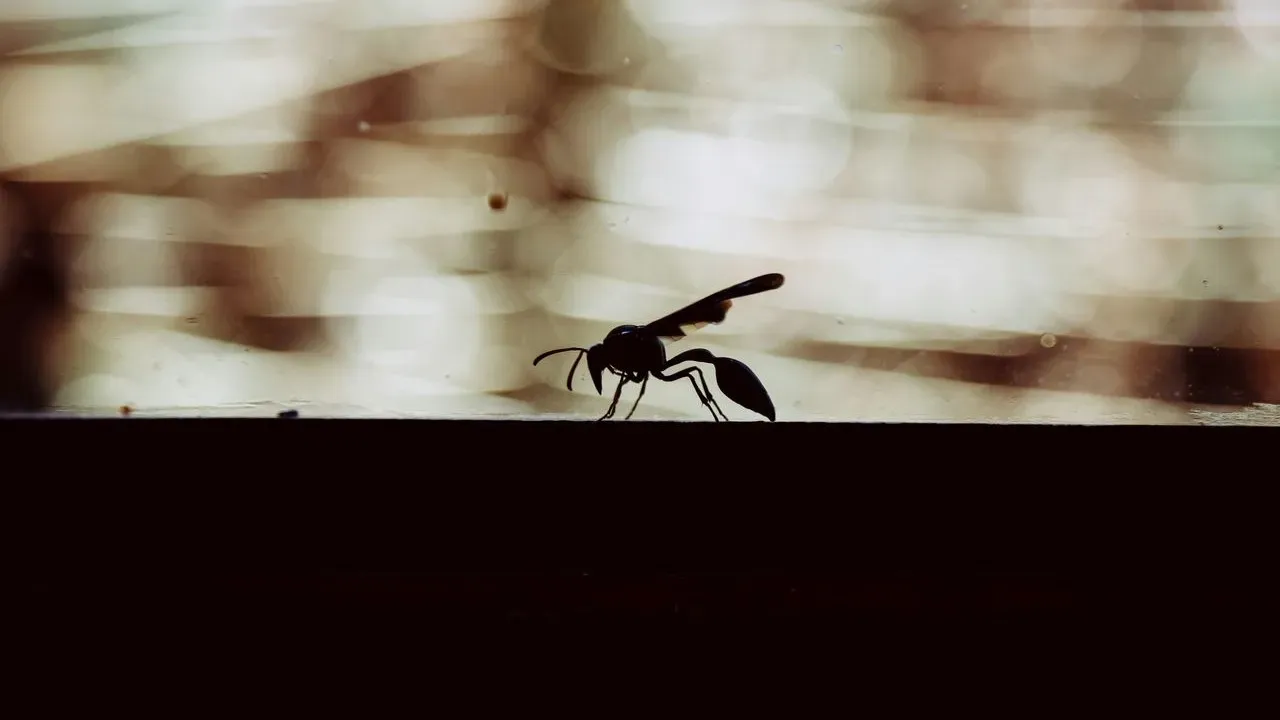

Britain has seen far fewer wasps than usual this summer, a shift that gardeners and scientists alike have noticed with growing concern. The drop in numbers coincides with reports that many of the wasps still active appear noticeably smaller than in past years. Researchers link the pattern to a mix of temperature swings, prolonged heatwaves, and limited food sources, though the exact drivers remain under study. ([1])
Gardeners Feel the Absence First
Many people who tend gardens or outdoor spaces have remarked on the quiet this season, with fewer buzzing visitors around fruit, flowers, and outdoor meals. Wasps normally play a visible role in late summer, and their reduced presence changes the daily rhythm of outdoor spaces. The change arrives at a time when gardens already face pressure from shifting weather patterns.
Without the usual activity, some gardeners report needing to manage certain pests more directly. The absence also removes one of the more common insect encounters that shape how people experience warm evenings outdoors. Observers note that the pattern appears widespread rather than limited to a single region.
Heat, Swings, and Shortages in Focus
Scientists point to an unusual sequence of warm spells, sudden temperature drops, and stretches of extreme heat as possible contributors to the low numbers. These conditions can disrupt the timing of wasp colony growth and the availability of the insects or nectar they rely on. Food shortages may compound the problem when earlier heat affects the plants and smaller insects that support wasp populations.
The combination stands out because it differs from more typical seasonal variation. Researchers continue to examine how these factors interact, noting that multiple pressures acting together can produce sharper effects than any single event. Uncertainty remains about which element played the largest role this year.
Smaller Wasps Add Another Layer
Alongside the drop in sightings, the wasps that do appear often measure smaller than average. This detail suggests that developing colonies may have faced resource limits during critical growth periods. Smaller size can reflect stress during the larval stage and may influence how well individual wasps survive or reproduce.
Such changes offer a window into how repeated heat events might affect insect traits over time. The observation is still preliminary, and further measurements will help confirm whether the pattern holds across different species or locations. It also raises questions about long-term shifts in insect communities if similar conditions recur.
Broader Effects on Gardens and Ecosystems
Wasps contribute to natural pest control by preying on aphids, caterpillars, and other insects that damage plants. Their reduced numbers can therefore leave gardens more exposed to those pressures. Some species also assist with pollination, adding another layer of support for flowering plants and crops.
These roles mean the current scarcity touches both cultivated spaces and wider natural areas. Ecosystems that depend on balanced insect populations may experience ripple effects that are not yet fully visible. Gardeners and land managers are watching to see whether numbers recover in coming seasons or whether the trend signals a longer adjustment.
What Comes Next
Continued monitoring will help clarify whether this summer represents a one-off event or part of a wider pattern tied to changing weather. Recording sightings, noting wasp sizes, and tracking garden pest levels can provide useful local data. Researchers emphasize that multiple years of observation are needed before drawing firm conclusions.
For now, the combination of fewer wasps and smaller individuals stands as a clear signal that warrants attention. The situation highlights how sensitive insect populations can be to the weather conditions that gardens already experience firsthand.
AI Disclaimer: This article was created with the assistance of AI tools and reviewed by a human editor.