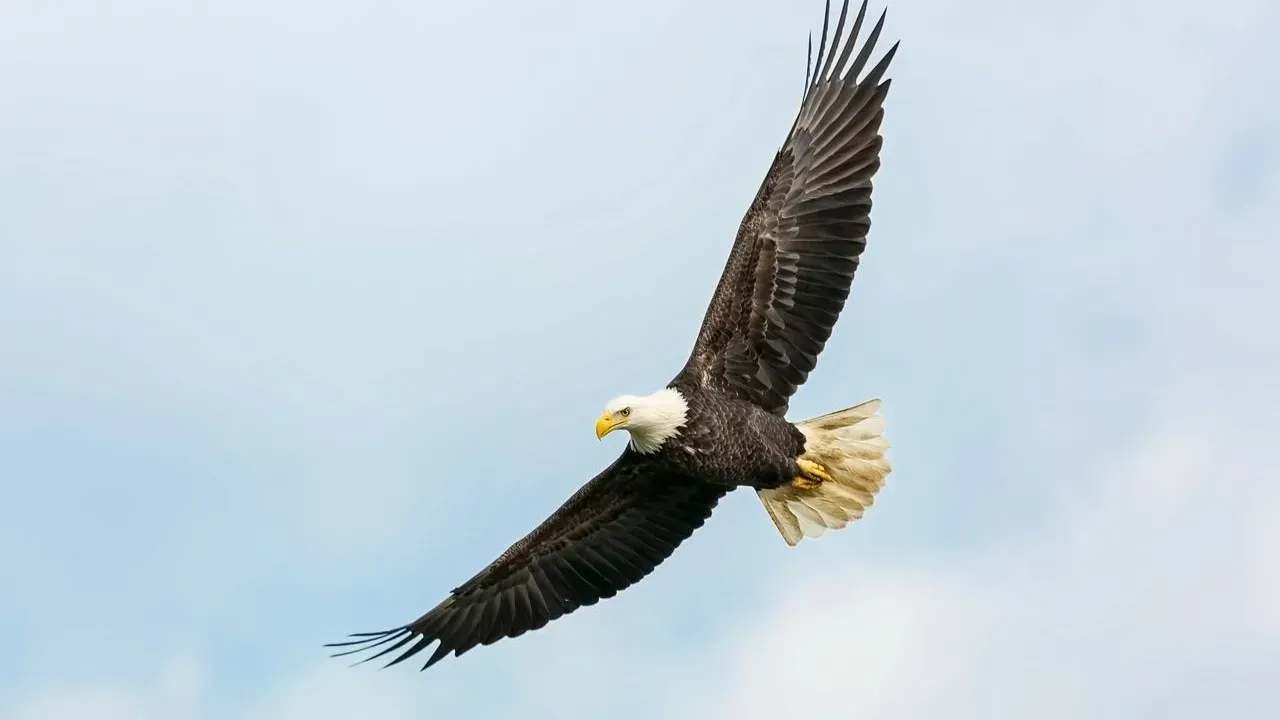

Washington state – Federal prosecutors have brought charges against a man accused of shooting and killing a bald eagle, a case that highlights the strict legal protections surrounding the national bird. The allegation centers on an incident in Washington, where authorities say the man used a firearm to kill the protected raptor. Such actions carry significant legal weight under federal wildlife laws.
The Core Allegation
The charges stem directly from the reported shooting. Prosecutors allege the man deliberately targeted and killed the eagle, an act that violates longstanding federal statutes designed to safeguard the species. Court documents outline the accusation without additional details on the circumstances or location within the state. The case now moves through the federal court system, where the man will answer to the claims.
Why the Bald Eagle Matters
Bald eagles hold a unique place in American wildlife law. Once nearly extinct, the species recovered after decades of conservation efforts and remains under federal protection. Killing one is not treated as an ordinary wildlife violation. The law recognizes the bird’s symbolic role and its ecological importance, which is why federal authorities pursue these cases aggressively. The current charge reflects that priority.
Legal Stakes Involved
Federal charges in wildlife cases often involve fines, probation, or imprisonment depending on the circumstances. Prosecutors must prove the act was intentional and that the bird was protected under the relevant statutes. Defense attorneys typically examine evidence such as ballistics, witness statements, and any permits that might have existed. Outcomes in similar cases have ranged from substantial monetary penalties to more serious sanctions when intent is established. The case serves as a reminder that harming protected species carries real consequences. Federal wildlife enforcement continues to monitor and respond to violations involving iconic animals like the bald eagle.
AI Disclaimer: This article was created with the assistance of AI tools and reviewed by a human editor.