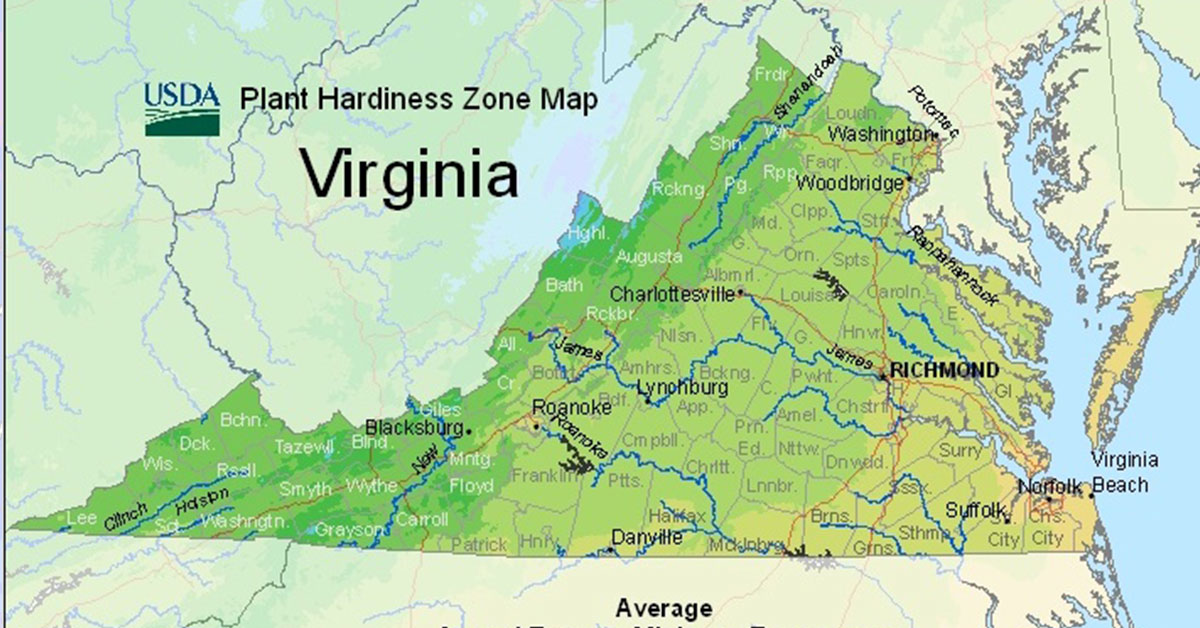

Welcome to the vibrant world of gardening in Washington, D.C.! Nestled along the banks of the Potomac River, this bustling metropolis is not only the political heart of the United States but also a haven for avid gardeners. With its unique climate and rich history, gardening in the nation’s capital presents both opportunities and challenges. One of the key factors to consider when planning your garden here is the USDA hardiness zone.
Washington, D.C. falls within the USDA hardiness zone 7a, which means that the average minimum winter temperature ranges from 0 to 5 degrees Fahrenheit (-18 to -15 degrees Celsius). Understanding this zone is crucial for selecting the right plants, ensuring their survival, and creating a thriving garden that can withstand the region’s climatic conditions. In this article, we will delve into the intricacies of gardening in Washington, D.C., with a specific focus on the USDA hardiness zone and how it influences plant selection, care, and overall garden success.
What is Washington, D.C.’s USDA hardiness zone?
The USDA hardiness zone is a classification system developed by the United States Department of Agriculture (USDA) to determine the suitability of plants for specific regions based on their ability to withstand the average annual minimum temperatures. This system is widely used by gardeners and plant enthusiasts to select plants that are likely to thrive in their particular climate. Washington, D.C. falls within USDA hardiness zone 7a.
This means that the average annual minimum temperature in this region ranges from 0°F to 5°F (-17.8°C to -15°C). It is important to note that this classification is based on historical weather data and serves as a general guideline, but extreme weather events or microclimates within the city may cause variations in temperature. The hardiness zone is a crucial factor to consider when choosing plants for your garden in Washington, D.C. It helps determine which plants are likely to survive the winter and thrive in the local climate. Plants that are rated for zone 7a are generally well-suited for this region, as they can tolerate the occasional freezing temperatures experienced during the winter months.
When selecting plants for your garden in Washington, D.C., it is advisable to choose those that are recommended for zone 7a or lower. These plants have evolved to withstand the typical winter conditions in the area and are more likely to survive and thrive. Some examples of plants suitable for this zone include azaleas, rhododendrons, dogwoods, Japanese maples, and many types of perennials and annuals.
It is also important to consider other factors besides hardiness zone when selecting plants, such as soil type, sunlight exposure, and moisture requirements. By considering all these factors, you can create a garden that is well-suited to the specific conditions of Washington, D.C., ensuring the success and health of your plants.
When can you plant your garden in Washington, D.C.?
The ideal planting times in Washington, D.C. can vary depending on the specific plant and its hardiness zone. Washington, D.C. is located in USDA hardiness zone 7a, which means it experiences an average minimum winter temperature of 0 to 5 degrees Fahrenheit (-17.8 to -15 degrees Celsius).
For cool-season crops like lettuce, spinach, and peas, the ideal planting time is in early spring, around mid-March to early April. These crops can tolerate cooler temperatures and will thrive in the mild spring weather.
Warm-season crops such as tomatoes, peppers, and cucumbers should be planted after the last frost date, which typically occurs around mid-April to early May in Washington, D.C. These plants require warmer soil and air temperatures to grow successfully.
Perennial flowers and shrubs can be planted in early spring or early fall, allowing them to establish their root systems before the extreme temperatures of summer or winter. Spring planting is generally preferred, as it gives the plants a longer growing season to establish themselves.
It’s important to note that these are general guidelines, and it’s always a good idea to check the specific requirements of each plant before planting. Additionally, weather patterns can vary from year to year, so monitoring local weather forecasts and conditions is crucial for successful planting.
What grows well in Washington, D.C.?
Washington, D.C. falls under USDA hardiness zone 7a, which means it experiences an average minimum winter temperature of 0 to 5 degrees Fahrenheit (-18 to -15 degrees Celsius). Here is a comprehensive list of plants that typically grow well in this zone:
- Red Maple (Acer rubrum)
- American Beech (Fagus grandifolia)
- Eastern Redbud (Cercis canadensis)
- American Holly (Ilex opaca)
- White Oak (Quercus alba)
- Eastern White Pine (Pinus strobus)
- Black Cherry (Prunus serotina)
- American Sycamore (Platanus occidentalis)
- Sweetgum (Liquidambar styraciflua)
- Tulip Tree (Liriodendron tulipifera)
- Azalea (Rhododendron spp.)
- Boxwood (Buxus spp.)
- Winterberry (Ilex verticillata)
- Virginia Sweetspire (Itea virginica)
- Forsythia (Forsythia spp.)
- Hydrangea (Hydrangea spp.)
- Spirea (Spiraea spp.)
- Viburnum (Viburnum spp.)
- Witch Hazel (Hamamelis spp.)
- Inkberry (Ilex glabra)
- Black-eyed Susan (Rudbeckia hirta)
- Coneflower (Echinacea spp.)
- Daylily (Hemerocallis spp.)
- Hosta (Hosta spp.)
- Bee Balm (Monarda spp.)
- Phlox (Phlox spp.)
- Salvia (Salvia spp.)
- Sedum (Sedum spp.)
- Coreopsis (Coreopsis spp.)
- Astilbe (Astilbe spp.)
- Petunia (Petunia spp.)
- Marigold (Tagetes spp.)
- Zinnia (Zinnia spp.)
- Impatiens (Impatiens spp.)
- Begonia (Begonia spp.)
- Coleus (Plectranthus scutellarioides)
- Geranium (Pelargonium spp.)
- Lobelia (Lobelia spp.)
- Snapdragons (Antirrhinum spp.)
- Alyssum (Lobularia maritima)
- Clematis (Clematis spp.)
- Virginia Creeper (Parthenocissus quinquefolia)
- Trumpet Vine (Campsis radicans)
- Honeysuckle (Lonicera spp.)
- Climbing Hydrangea (Hydrangea anomala petiolaris)
- Wisteria (Wisteria spp.)
- English Ivy (Hedera helix)
- Boston Ivy (Parthenocissus tricuspidata)
- Passionflower (Passiflora spp.)
- Kiwi Vine (Actinidia spp.)
Remember to consider factors like sunlight, soil type, and moisture requirements when selecting plants for your specific garden.
What won’t grow?
In Washington, D.C., which falls under USDA hardiness zone 7a, there are certain plants that may struggle to thrive due to the region’s climate and growing conditions. Here are some examples:
- Tropical plants: Plants that require consistently warm temperatures and high humidity, such as hibiscus, bougainvillea, and banana trees, may struggle to survive the colder winters and lower humidity levels in Washington, D.C.
- Citrus trees: While some cold-hardy citrus varieties can be grown in zone 7a, the overall climate in Washington, D.C. may not be ideal for most citrus trees. They may struggle with the colder temperatures and lack of consistent warmth.
- Desert plants: Plants that are adapted to arid desert environments, like cacti and succulents, may not thrive in the higher humidity levels and occasional heavy rainfall of Washington, D.C.
- Some evergreen trees: Certain evergreen trees, like the southern magnolia (Magnolia grandiflora) or certain types of palm trees, may struggle to survive the colder winters and occasional snowfall in Washington, D.C.
- Some tropical fruits: Fruits that are native to tropical regions, such as mangoes, papayas, and pineapples, are unlikely to thrive in Washington, D.C. due to the colder temperatures and shorter growing season.
It’s important to note that while these plants may struggle in Washington, D.C., there are still plenty of other plant options that are well-suited to the region’s climate and can thrive in zone 7a.