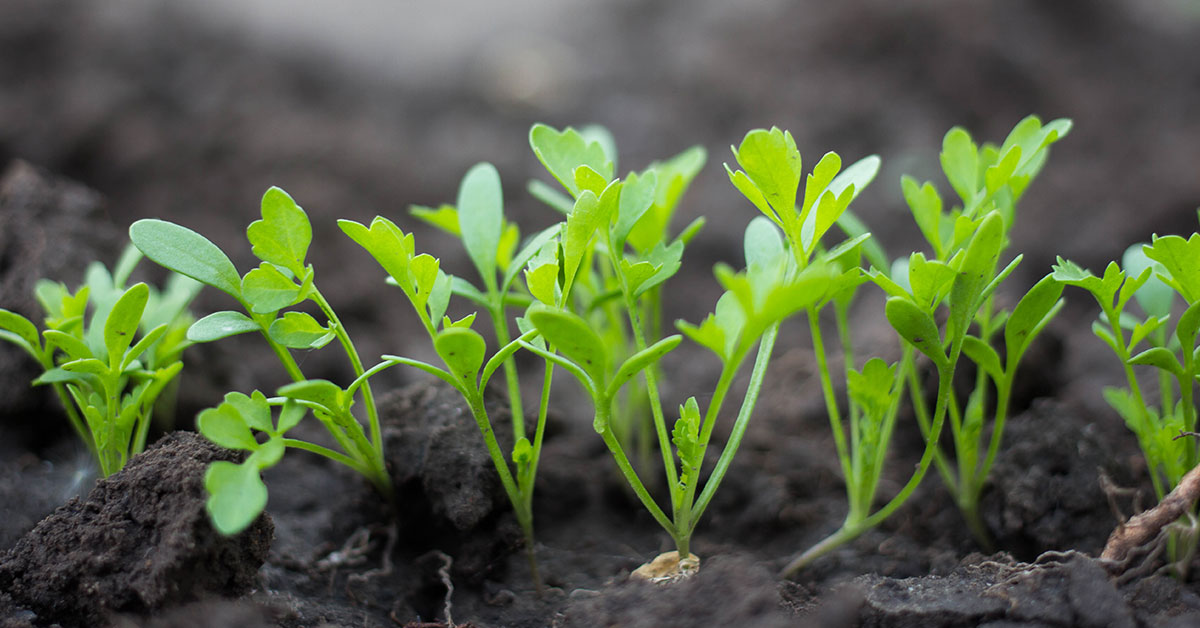

If you are a food enthusiast looking to elevate your culinary creations, then Wasabi Arugula is an absolute must-have in your garden. This fascinating leafy green, also known as Wasabi Rocket, is a lesser-known variety of arugula that offers an invigorating flavor profile reminiscent of the popular Japanese condiment.
With its vibrant green leaves, spicy kick, and versatile nature, Wasabi Arugula is sure to add a zesty twist to your salads, sandwiches, and so much more. Join us as we dive deep into the world of Wasabi Arugula, exploring its origins, cultivation techniques, and the countless ways you can savor its unique taste in your kitchen.
What is a Wasabi Arugula?
Wasabi arugula, also known as wasabi rocket or wasabi roquette, is a unique and flavorful variety of arugula. It is a member of the Brassicaceae family, which also includes mustard, cabbage, and radish. What sets wasabi arugula apart from regular arugula is its distinct taste and aroma. It has a spicy and peppery flavor reminiscent of wasabi, a pungent Japanese condiment often served with sushi.
This variety of arugula adds a zesty kick to dishes and can be a great alternative for those who enjoy the flavor of wasabi but want a milder version. In terms of appearance, wasabi arugula has elongated, serrated leaves with a vibrant dark green color. The leaves are tender and have a slightly wrinkled texture.
It grows in a similar way to regular arugula, forming a rosette of leaves that can be harvested when young for the best flavor and tenderness. Cultivating wasabi arugula requires similar conditions to regular arugula. It thrives in cool weather and prefers partial shade but can tolerate full sun. It grows best in well-draining soil with regular watering to keep the soil moist but not waterlogged. Like other arugula varieties, wasabi arugula is a versatile ingredient in the kitchen.
Its spicy flavor pairs well with many dishes, including salads, sandwiches, and stir-fries. You can use it as a topping for sushi or mix it into dressings and sauces to add a kick of heat. Additionally, it can be used as a garnish to add a pop of flavor and visual appeal to a variety of dishes. If you are a fan of arugula and enjoy the unique taste of wasabi, incorporating wasabi arugula into your garden and culinary repertoire can be a delightful addition.
What does Wasabi Arugula taste like?
Wasabi Arugula, also known as Wasabi Rocket or Japanese Wasabi Greens, is a unique and flavorful variety of arugula that packs a punch. The taste of Wasabi Arugula is often described as a combination of the peppery and slightly bitter flavor of regular arugula, with a distinct wasabi-like heat.
When you take a bite of Wasabi Arugula, you’ll immediately notice its zesty and spicy kick. The flavor is reminiscent of the popular Japanese condiment, wasabi, which is known for its intense, sinus-clearing heat. The peppery notes are more pronounced than in regular arugula, and the heat lingers on the palate, providing a pleasant and invigorating sensation.
The heat of Wasabi Arugula is not overpowering but adds a delightful intensity to your taste buds. It can vary in intensity depending on the plant’s maturity and growing conditions, with younger leaves tending to be milder and more delicate, while older leaves develop a stronger heat.
The combination of the arugula’s characteristic bitterness and the wasabi-like heat creates a unique flavor profile that is both bold and refreshing. This makes Wasabi Arugula an exciting addition to salads, sandwiches, sushi, or any dish that could benefit from a spicy kick. It can also be used as a garnish to add a pop of flavor to various culinary creations.
Overall, the taste is a thrilling experience for those who enjoy spicy foods. It offers a fusion of arugula’s distinct flavor with the fiery kick of wasabi, making it a standout choice for adventurous eaters and those looking to add a little extra excitement to their meals.
How to start from seed
To start growing Wasabi Arugula, also known as Japanese Arugula, you can follow these steps:
- Obtain Wasabi Arugula seeds: Purchase high-quality seeds from a reputable source. You can find them at local nurseries, garden centers, or online seed suppliers.
- Choose the right time for planting: This arugula prefers cooler temperatures, so it’s best to sow the seeds in early spring or late summer to early fall. Avoid extreme heat or frost.
- Prepare the soil: Wasabi Arugula thrives in well-drained soil with a pH ranging from 6.0 to 7.0. Amend the soil with organic matter like compost to improve its fertility and drainage. Remove any weeds or debris from the planting area.
- Sow the seeds: Scatter the seeds evenly over the prepared soil. Since the seeds are small, you can mix them with some sand or vermiculite to help distribute them more evenly. Lightly press the seeds into the soil, ensuring good seed-to-soil contact. Space the seeds about 1 inch apart.
- Cover and water: Gently cover the seeds with a thin layer of soil or compost, around 1/4 inch deep. Water the area thoroughly but gently, using a watering can or a gentle spray from a hose. Keep the soil consistently moist but avoid overwatering, as it may lead to rotting.
- Provide proper lighting: This plant prefers partial shade to full sun. If you live in a region with hot summers, providing some shade during the hottest part of the day can help prevent the plants from bolting (going to seed) too quickly.
- Maintain consistent moisture: Regularly water the plants to keep the soil moist but not waterlogged. Avoid letting the soil dry out completely, as this can cause the leaves to become bitter and tough.
- Thin the seedlings: Once the seedlings start to emerge, you may need to thin them out to ensure proper spacing. Thin the plants to a distance of about 4-6 inches apart. These thinnings can be eaten, as they have a similar flavor to mature Wasabi Arugula.
- Fertilize if needed: If your soil lacks fertility, you can feed the plants with a balanced organic fertilizer according to the package instructions. Apply the fertilizer sparingly, as Wasabi Arugula does not require heavy feeding.
- Harvesting: It is typically ready for harvest within 30-40 days after sowing. You can cut the leaves individually or harvest the entire plant by cutting it off at the base. Regular harvesting promotes continuous growth and prevents the plants from becoming overly mature and bitter.
By following these steps, you can successfully start growing Wasabi Arugula and enjoy its unique spicy flavor in your meals.
Planting and growing Wasabi Arugula
To plant and grow Wasabi Arugula, also known as Wasabi Rocket, you can follow these steps:
- Choose the right location: Wasabi Arugula prefers cool weather, so select a location that receives partial shade or has access to morning sun and afternoon shade. It can also be grown indoors near a bright window.
- Prepare the soil: Ensure the soil is well-draining and fertile. Amend the soil with organic matter like compost or well-rotted manure to improve its nutrient content and drainage.
- Sow the seeds: Wasabi Arugula can be directly sown or started indoors. If starting indoors, sow the seeds in seed trays or small pots about 4-6 weeks before the last frost date. Plant the seeds about ¼ inch deep.
- Transplant (if applicable): If you started the seeds indoors, transplant the seedlings outdoors once they have developed a few sets of true leaves and the danger of frost has passed.
- Spacing: Space the plants about 6-8 inches apart to allow sufficient room for growth and airflow.
- Watering: Keep the soil consistently moist but not waterlogged. Water deeply whenever the top inch of soil feels dry, but avoid overwatering, as it can lead to root rot.
- Fertilizing: Apply a balanced organic fertilizer or compost tea every 4-6 weeks to provide the plants with necessary nutrients. Avoid using high-nitrogen fertilizers, as they can encourage excessive leaf growth and reduce flavor.
- Harvesting: Wasabi Arugula can be harvested when the leaves reach the desired size, usually around 4-6 weeks after planting. Harvest individual leaves or the whole plant by cutting it just above the soil level. Regular harvesting promotes continuous growth.
- Pests and diseases: This plant is generally resistant to most pests and diseases. However, keep an eye out for common garden pests like aphids, flea beetles, and slugs. Use organic pest control methods such as handpicking, neem oil, or insecticidal soap if necessary.
- Saving seeds (optional): It will produce seed pods after it flowers. Allow the pods to dry on the plant, then harvest them and store in a cool, dry place for future planting.
By following these steps, you should be able to successfully plant and grow Wasabi Arugula in your garden or container. Enjoy the spicy, flavorful leaves in salads, sandwiches, or as garnish!
When to harvest
The best time to harvest is when the leaves are young and tender, typically around 30-40 days after sowing the seeds. The leaves should be about 3-4 inches long for optimal flavor and texture. It’s important to harvest the leaves before they become too mature and start to bolt, as this can make them bitter. Regular harvesting, picking the outer leaves first, will encourage the plant to continue producing fresh foliage.