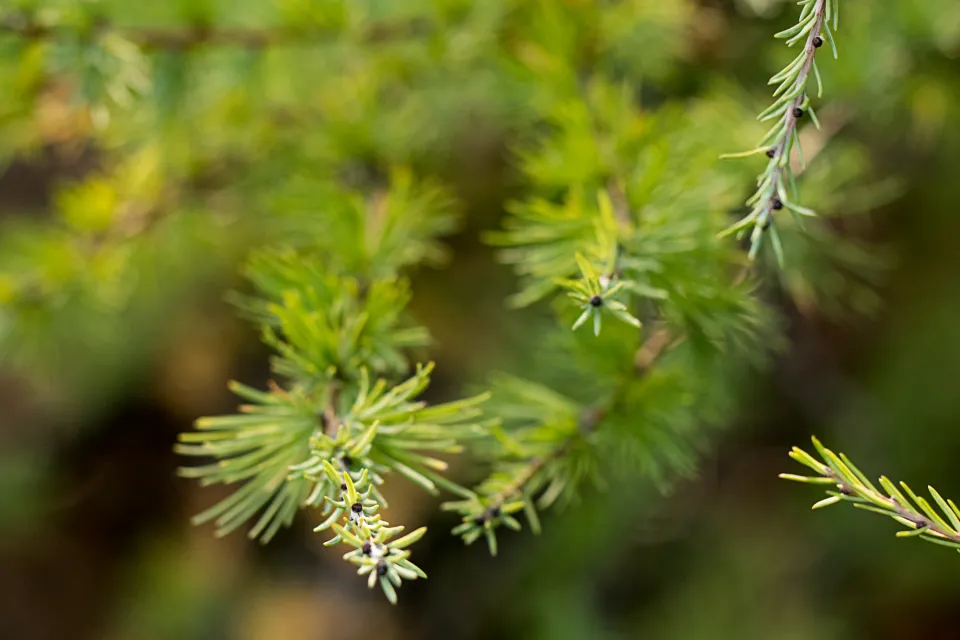

Most Orange County gardeners know that feeling: the yard looks great in spring, a little thin by midsummer, and downright bare by January. The fix isn’t complicated. It starts with choosing the right foundation plants, the kind that stay green, stay interesting, and stay alive through a dry California summer without fighting you the whole way.
Orange County has a Mediterranean climate with mild, wet winters and hot, dry summers, which is ideal for a variety of plants that thrive in warm weather and require minimal water. That climate is genuinely one of the best in the world for gardening, but it does demand a specific approach. One great landscaping strategy is to put a “foundation” or “backbone” of evergreen shrubs in your yard, giving a year-round verdant display that stays fresh no matter the season.
These five evergreen plants aren’t just good options; they’re proven performers in Orange County conditions, recommended by local horticulturists, the California Native Plant Society, and UC Master Gardeners.
Why Evergreens Are the Backbone of Any Orange County Garden
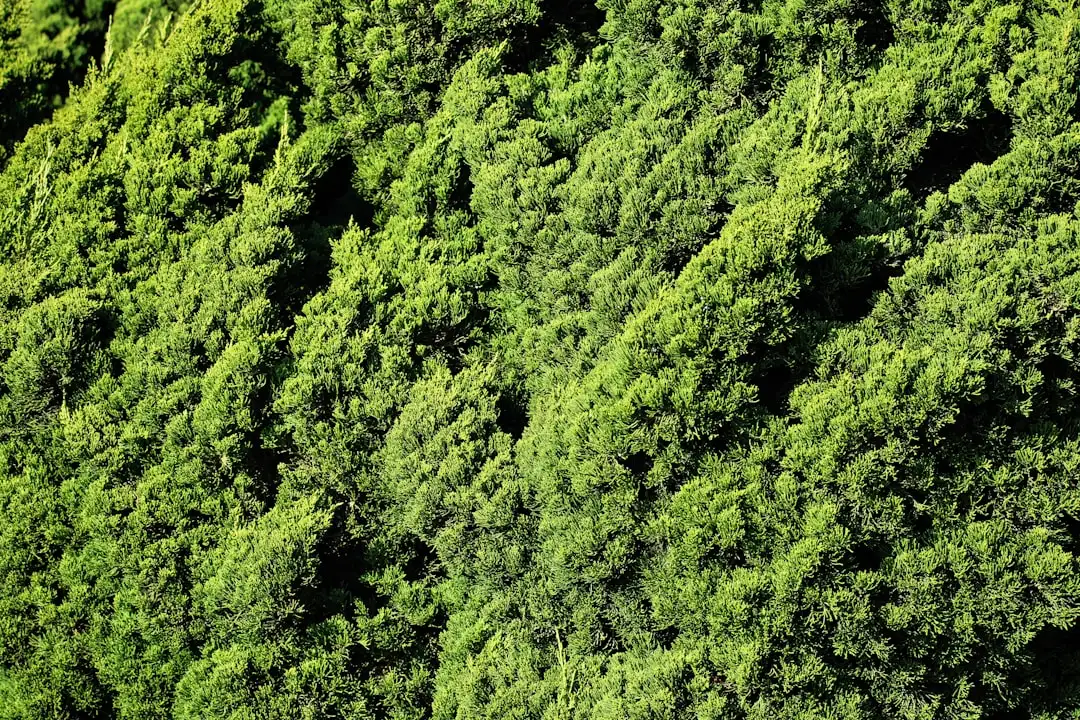
Evergreen shrubs keep their leaves all year and are a must in any garden. They’re especially welcome in winter, when their fresh foliage and distinctive shapes stop the garden from looking bare. Evergreens are often described as the “backbone” of a garden, bringing important structure that can be clipped into balls, mounds, columns, and pyramids.
Larger evergreen shrubs and small trees provide useful, comforting part-shade to adjacent smaller plants, and once the backbone is established, the rest of the landscape is free for you to add seasonal flowers, leaf color variations, and favorite plants. Think of it as building structure first, decoration second.
The specific microclimates within Orange County, such as coastal areas with intense morning mist and fog and inland areas with hotter and drier conditions, can influence plant selection. That’s worth keeping in mind as you scroll through these five, since some tolerate salt spray better than others, and a few will appreciate a little afternoon shade in hotter inland spots.
Plant #1: Toyon (Heteromeles arbutifolia) – California Holly
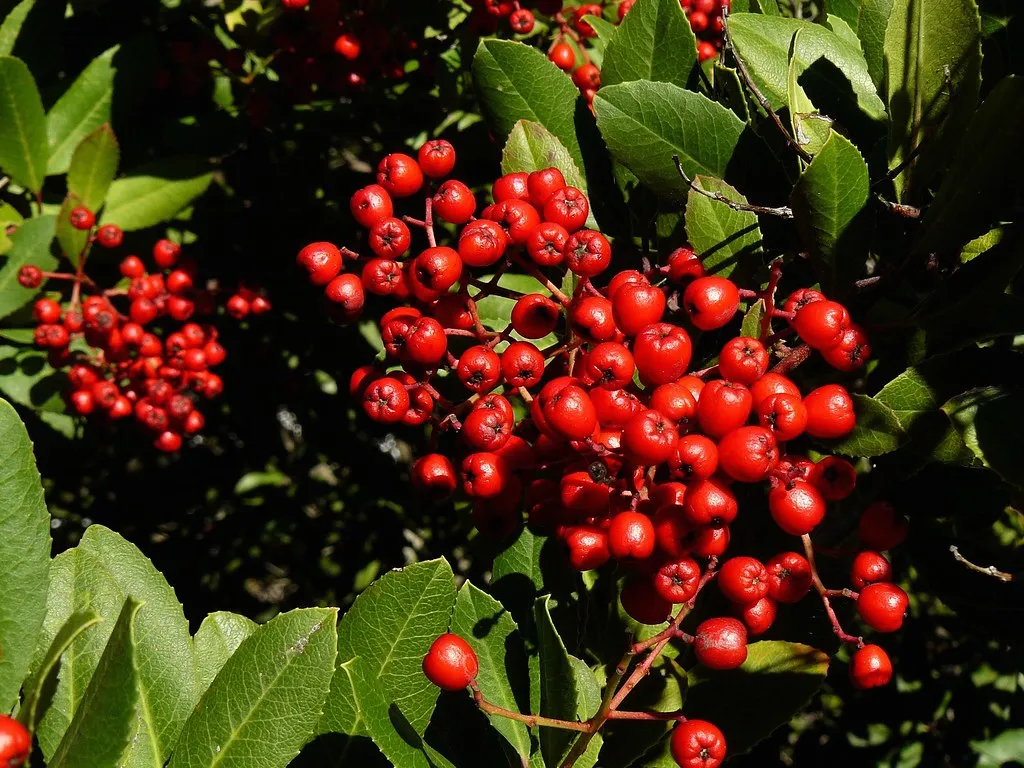
Toyon, also called Christmas berry, is an evergreen shrub and a member of the rose family. It can grow in sun or partial shade and is drought tolerant. Its natural habitat is chaparral and woodlands, and it’s tolerant of most soils.
It thrives in sunny conditions but also adapts well to partial shade, making it a common sight in numerous dry regions across Orange County. It is a valuable member of the drought-adapted chaparral and coastal sage scrub community found in Southern California.
According to the California Native Plant Society, toyon supports over 20 bird species and thrives in USDA zones 8 through 11 with no supplemental irrigation once established, typically within two to three years of planting. Through fall and winter, toyon produces large quantities of bright red, berry-like fruits, which serve as a vital food source for various wildlife species, including birds, coyotes, and even bears. Interestingly, toyon plants can have fire-retardant properties when provided with adequate moisture, making them valuable additions to areas prone to dry conditions.
Plant #2: California Lilac (Ceanothus) – The Blooming Workhorse
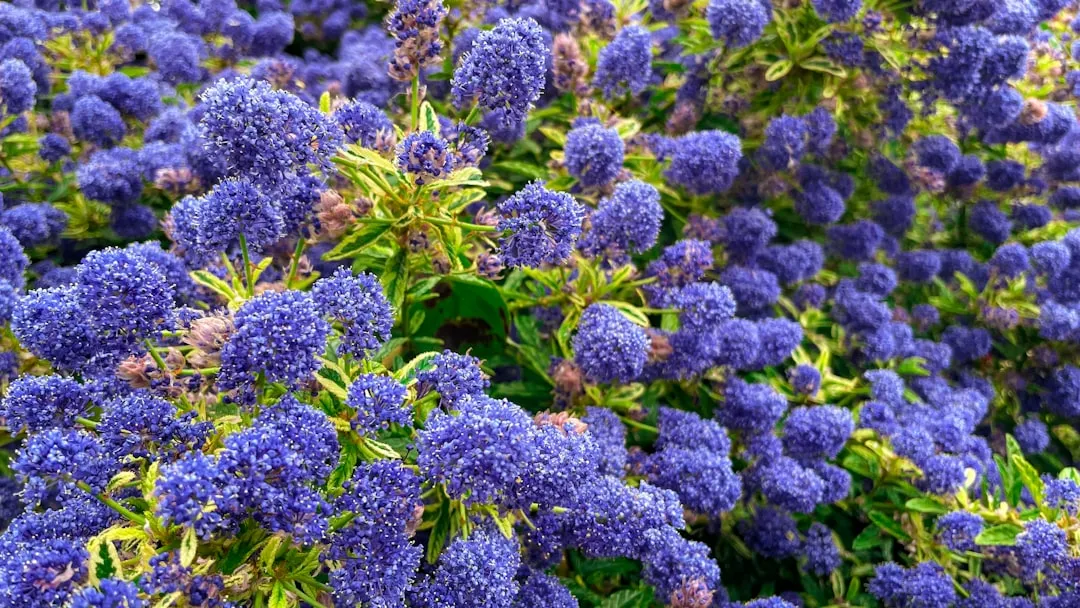
Ceanothus, commonly known as California Lilac, offers almost everything a gardener could wish for in a shrub: free flowering, lovely foliage, ease of cultivation, drought tolerance, and salt tolerance. Few plants deliver that kind of all-in-one value in a Southern California garden.
Once established, Ceanothus species are highly drought-tolerant, making them an excellent choice for water-conserving landscapes or regions with dry climates. As nitrogen-fixing plants, Ceanothus can improve your garden’s soil quality by adding essential nutrients. Generally, Ceanothus requires little care once established, thriving in poor soils and needing little to no fertilizers or pesticides.
Expect a 20 to 25 year life from your Ceanothus in most gardens. Many plants have been documented in the ground looking healthy after thirty years. The ‘Concha’ variety stays compact at about six feet tall, making it perfect for smaller spaces. The key rule: plant in well-drained soil and resist the urge to overwater.
Plant #3: Rosemary (Salvia rosmarinus) – The Fragrant Multitasker
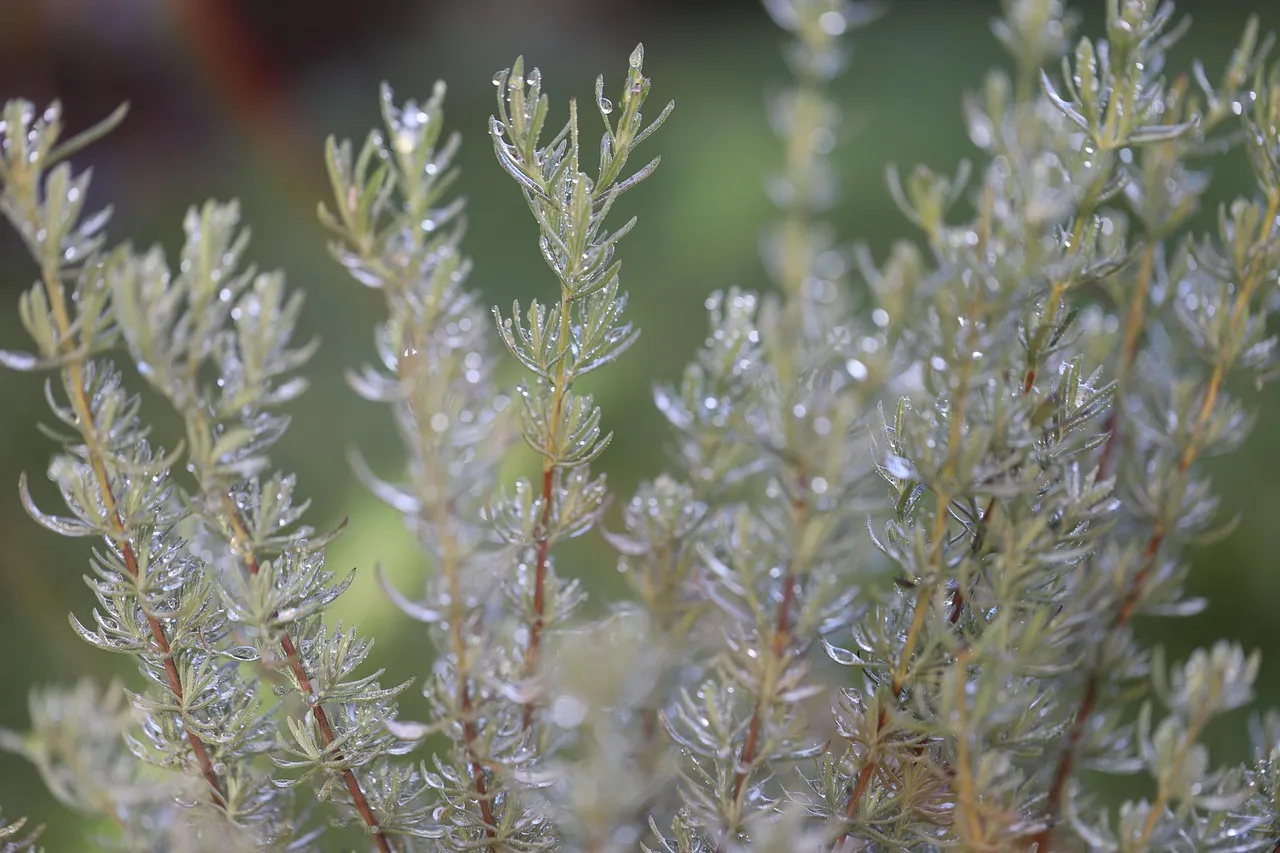
Rosemary is a versatile shrub with aromatic, needle-like leaves and small, blue flowers. It can be used as a ground cover, hedge, or specimen plant. Rosemary is drought-tolerant and thrives in full sun, making it well-suited to the Southern California climate.
As a shrub and herb, rosemary offers evergreen structure, and bees love it. It can be sheared into low hedges. It’s one of those plants that genuinely earns its space, doing double duty as a landscape anchor and a kitchen herb simultaneously.
Coastal areas favor wind-tolerant, salt-spray-friendly choices such as rosemary and lavender, while hotter inland sites suit salvias, lantana, agaves, and vitex. For Orange County’s coastal cities like Huntington Beach, Laguna Beach, and Dana Point, rosemary is one of the most reliable evergreens you can put in the ground.
Plant #4: California Buckwheat (Eriogonum fasciculatum) – The Pollinator Magnet
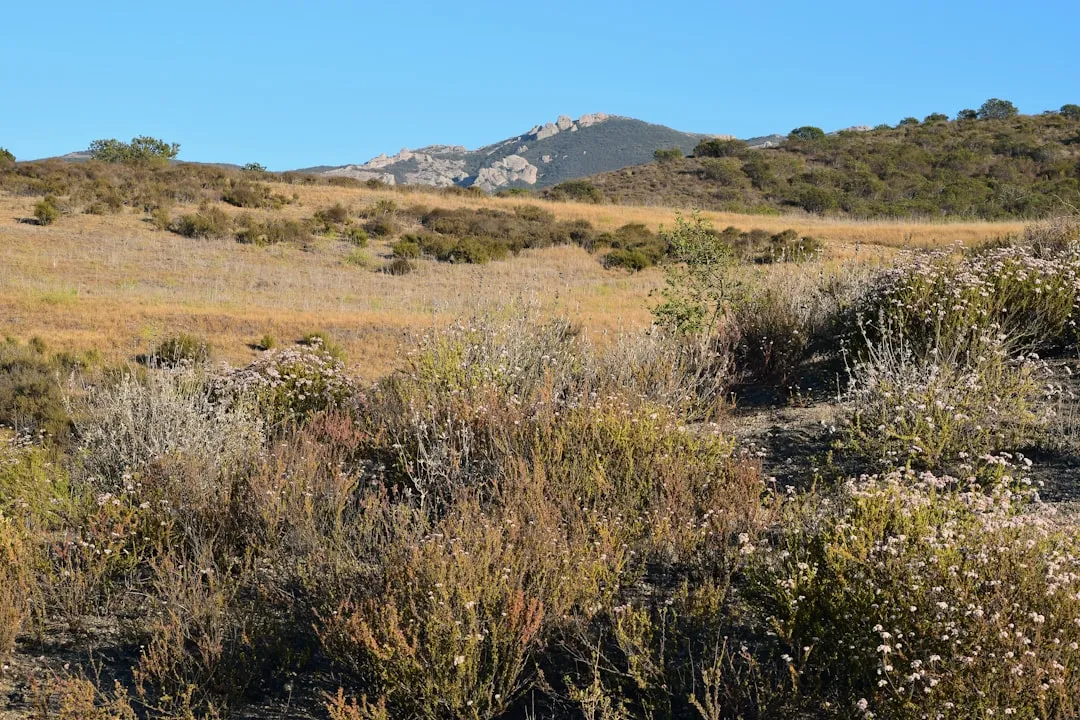
California Buckwheat is a versatile and adaptable plant that offers an abundance of small white to pink flowers that attract pollinators. This drought-tolerant, evergreen plant provides year-round interest, and its seeds are an essential food source for local birds.
California has roughly 1,600 native bee species, and planting California natives such as buckwheat is one of the best ways to support them. Those numbers put the ecological weight of a single plant choice into perspective. Buckwheat isn’t just pretty; it’s functional habitat.
As an evergreen rounded medium-sized shrub, it is short-lived but politely reseeds and replaces itself. It naturalizes readily and produces yellow daisy-like flowers. Inland varieties such as Encelia farinosa work better for interior areas. It does well on slopes and attracts bees and other pollinators.
Plant #5: California Sagebrush (Artemisia californica) – Low Maintenance, High Character
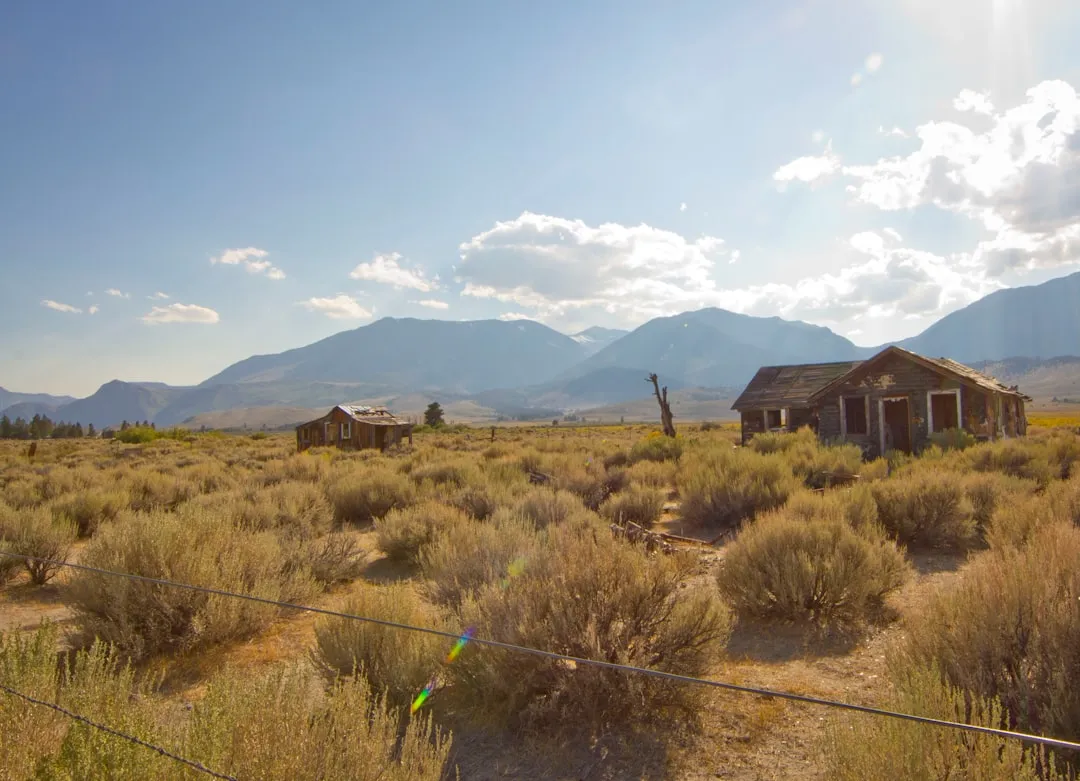
California Sagebrush is an aromatic evergreen shrub that provides habitat for birds and insects alike. It’s a fantastic option for adding texture to your garden while being low-maintenance and drought-tolerant.
California Sagebrush is an evergreen shrub with fragrant gray-green leaves that tolerates most soils. Plant it in sun at the coast or in sun and light shade inland. The silvery foliage picks up warm light beautifully in the late afternoon, giving the garden a quiet, wild-California feel that’s hard to replicate with anything else.
It tolerates wind, salt spray, and cold. It requires little to no irrigation once established and does well on slopes. It attracts bees, birds, and butterflies. For a truly low-intervention garden, this one belongs in the mix without question.
How Orange County’s Microclimates Should Influence Your Plant Picks
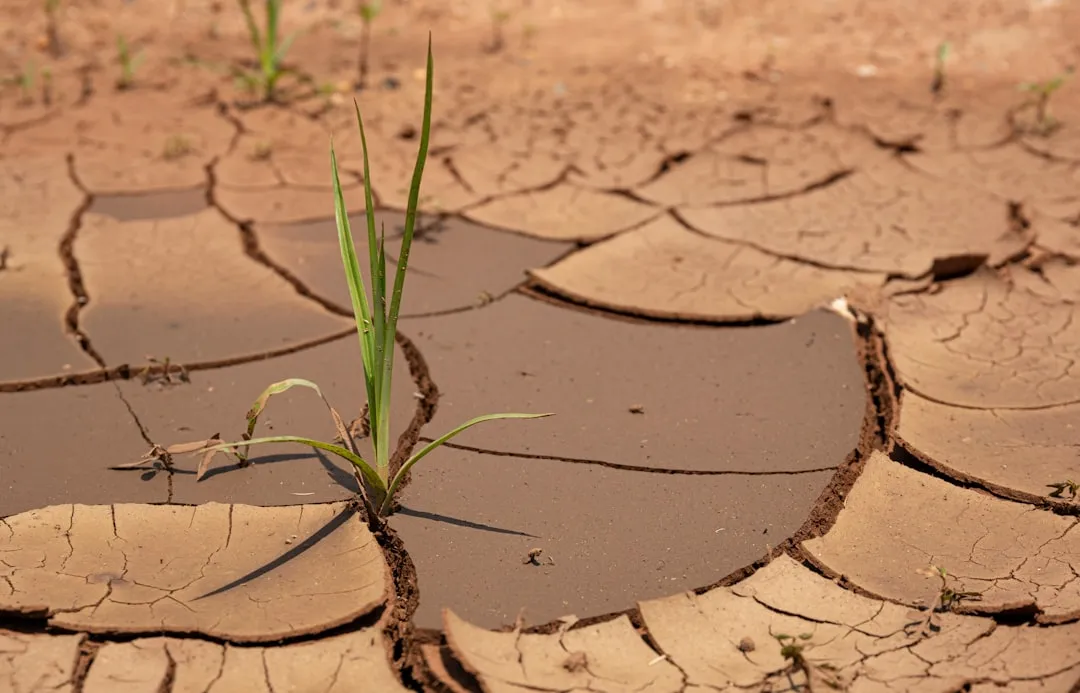
Coastal cities in Orange County, such as Huntington Beach, Newport Beach, Laguna Beach, San Clemente, and Dana Point, experience unique weather patterns characterized by intense morning mist and fog. These conditions can impact plant growth and selection.
Choosing the right plants for Orange County’s diverse microclimates can ensure a beautiful and low-maintenance garden. Coastal areas benefit from plants that tolerate fog and salty air, while inland regions require heat-tolerant species. Focusing on drought-tolerant plants, California natives, and those that can thrive in full sun and well-drained soil is the smart approach.
In practice, this means rosemary and California sagebrush are particularly well-suited to the coast, while Ceanothus and Toyon handle the hotter, drier conditions you’ll find in communities like Yorba Linda, Orange, and Anaheim Hills without complaint. Buckwheat works nearly everywhere.
When and How to Plant for Best Results
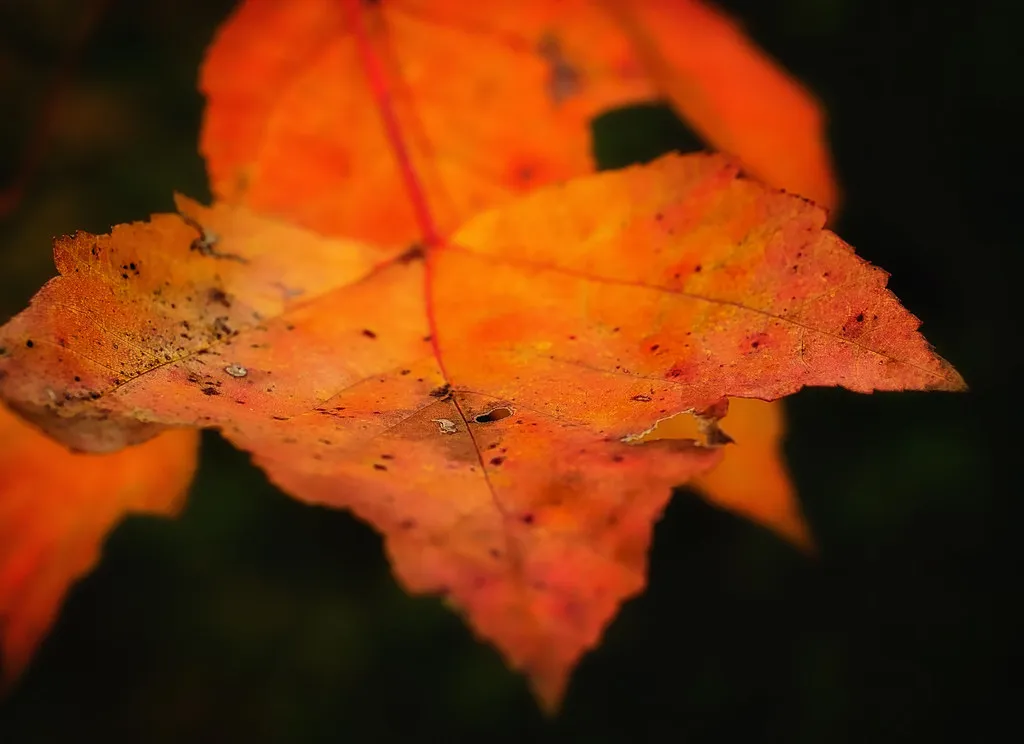
Plant California natives in fall. Roots grow through winter while the top stays dormant. By the time spring heat arrives, the plant is already anchored. This timing makes a real difference in how plants survive their first summer, and it’s the single most useful advice for any new Orange County gardener.
February is also a solid window for planting evergreen hedge shrubs. Cool temperatures and winter rains give roots months to establish before summer stress arrives. By June, a new hedge will be drought-ready and actively filling in.
Before planting, it’s crucial to prepare your soil by removing rocks, weeds, and debris, then loosening it with a garden fork or tiller. Many native plants are adapted to well-draining soils, so consider adding organic amendments or sand to improve drainage if necessary.
Pruning Native Evergreens the Right Way
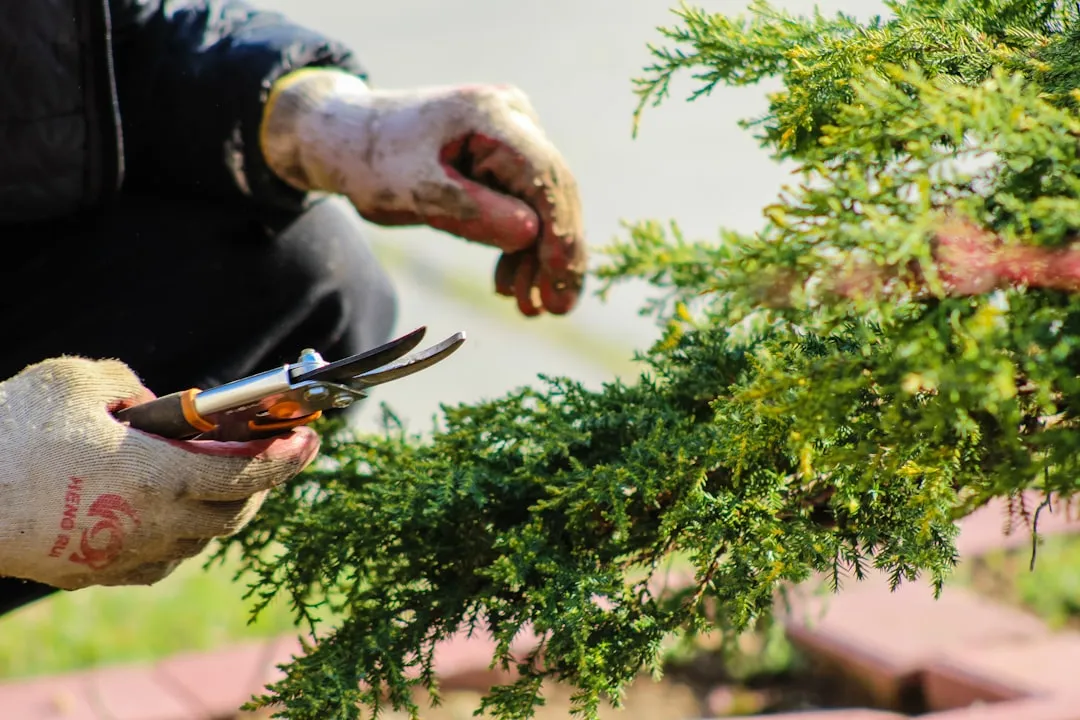
As a rule of thumb, deciduous trees and shrubs are pruned in winter, while evergreen trees and shrubs are pruned and deadheaded after the rain stops in spring. In summer, deadhead and prune summer dormant plants.
Pruning helps develop the structure of maturing native plants and enhances the appearance of plants late in the season. Know your plants and understand how and when they like to be pruned; it is most often when they are dormant.
Toyon, for example, should be pruned lightly and only after its berry season, since heavy shearing reduces berry production. Ceanothus does not tolerate heavy pruning at all. Cutting back into old wood results in dead branches, and new shoots can only be produced by tip pruning on stems where growth is active.
Water Conservation: What These Plants Actually Mean for Your Water Bill
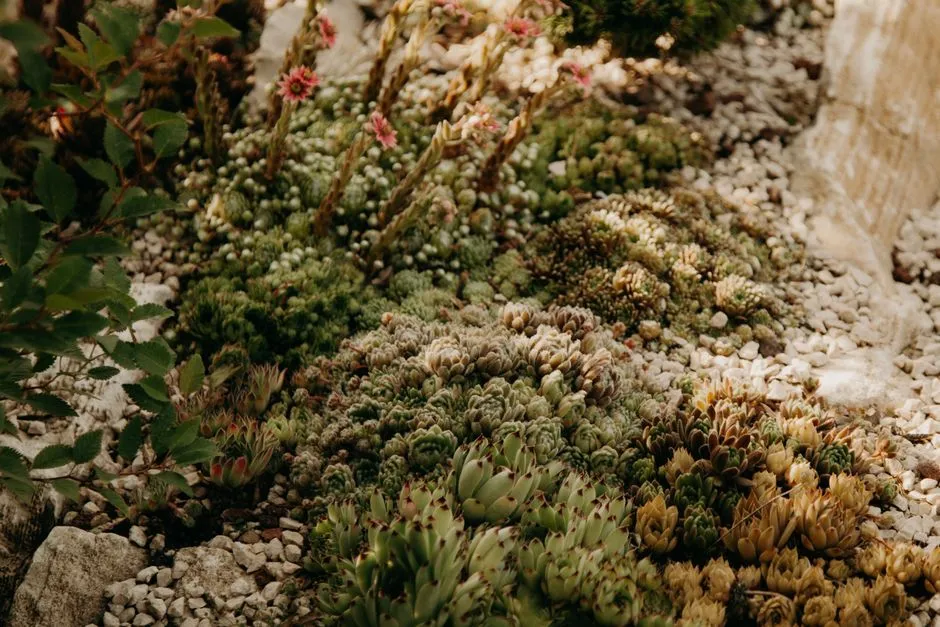
Water conservation is a significant concern in California. Native plants require less water than their non-native counterparts, making them important allies in the fight against drought. By choosing drought-tolerant native species, you actively contribute to water conservation efforts while maintaining a gorgeous landscape that thrives in Orange County’s Mediterranean climate.
Established drought-tolerant plants can reduce water use by roughly fifty to seventy percent compared to a traditional perennial bed, once the plants are in their third year or beyond. Over a decade, that adds up to a significant reduction in both cost and resource use.
Native plants have adapted to the region’s climate and are naturally drought-tolerant. They have evolved to survive long periods of drought by storing water in their leaves, stems, and roots. These aren’t plants you’re coaxing into surviving the climate; they’re plants that evolved here.
Supporting Wildlife with Evergreen Natives
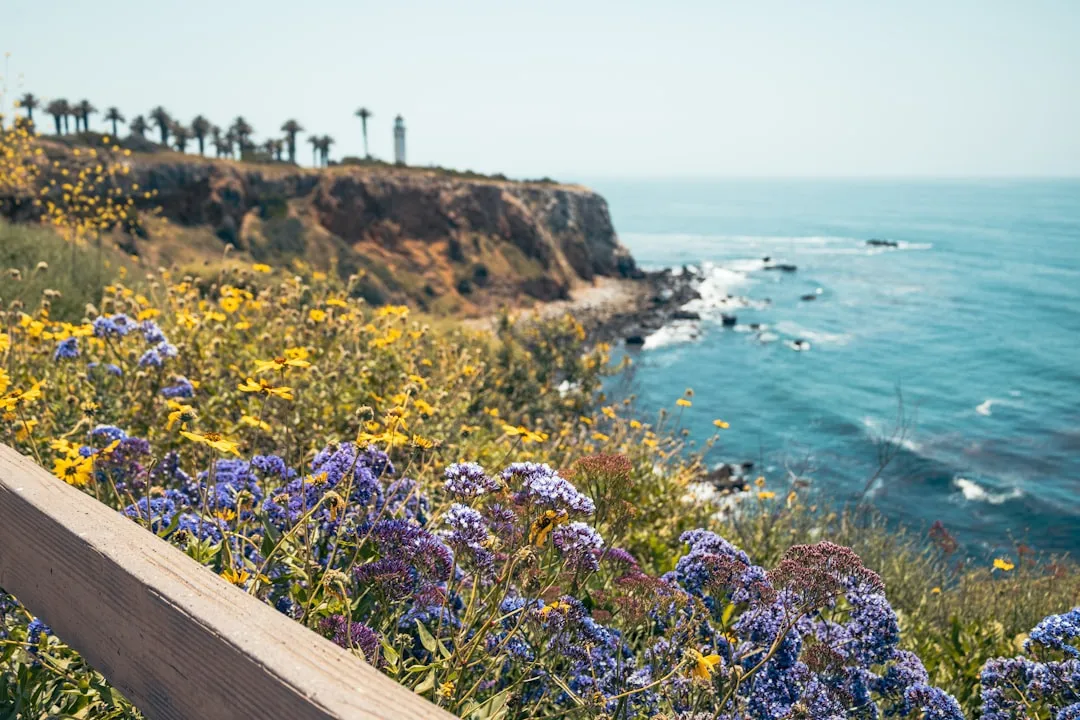
California has the greatest biodiversity of any similar-sized region in North America. Each local ecology is best supported by plants that evolved with local soils, climate, and wildlife. Many herbivorous insects are closely associated with specific plants, and most terrestrial birds feed insects to their chicks. Native plants are the foundation of this food web.
Native plants tend to be more resistant to pests and diseases, reducing the need for chemical pesticides and keeping your garden healthy. Furthermore, native plants attract a diverse array of beneficial wildlife, such as pollinators, birds, and butterflies, ensuring a lively and active garden teeming with life.
California has more than 1,350 butterfly and moth species. Planting even two or three of these five evergreen staples creates meaningful habitat that supports that remarkable diversity. A garden doesn’t have to be a preserve to make a real difference.
Building Your Year-Round Garden: Where to Start
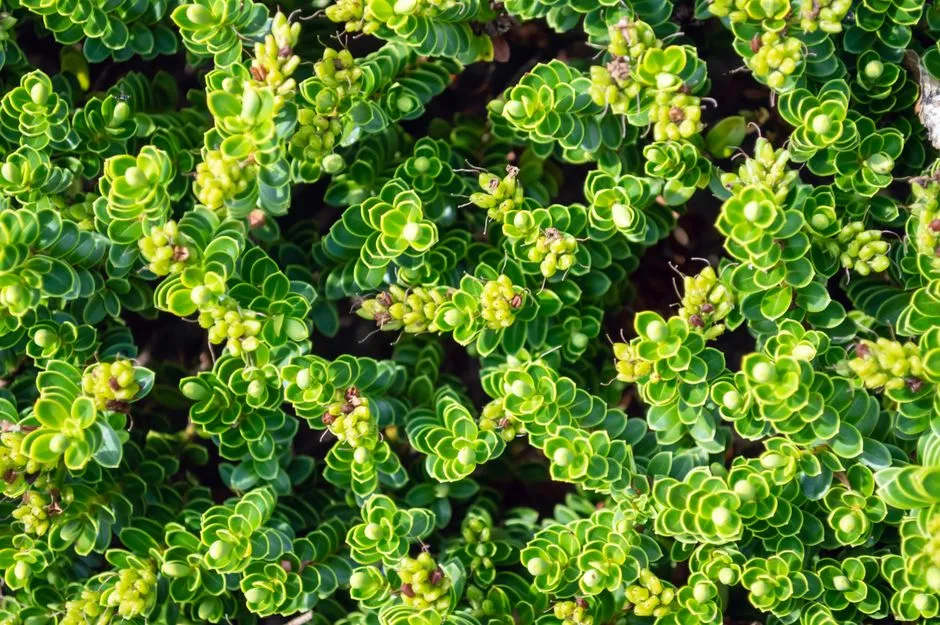
One great landscaping strategy is to put a “foundation” or “backbone” of evergreen shrubs in your yard. This stable green scene gives a year-round verdant, fresh display that remains visually appealing through every season. Start with just two or three of the plants listed here and build from there.
It’s a good idea to space evergreens out fairly evenly throughout the garden so that they unify the whole space. Clumping everything together at the back fence is a common mistake; spreading the structural plants gives the garden visual continuity from every angle.
Once the backbone is in place, you can layer in seasonal color, ornamental grasses, and flowering perennials knowing they have solid, evergreen companions to anchor them. That’s the point at which a garden stops feeling like a project and starts feeling like a place.
Conclusion: Structure First, Beauty Always
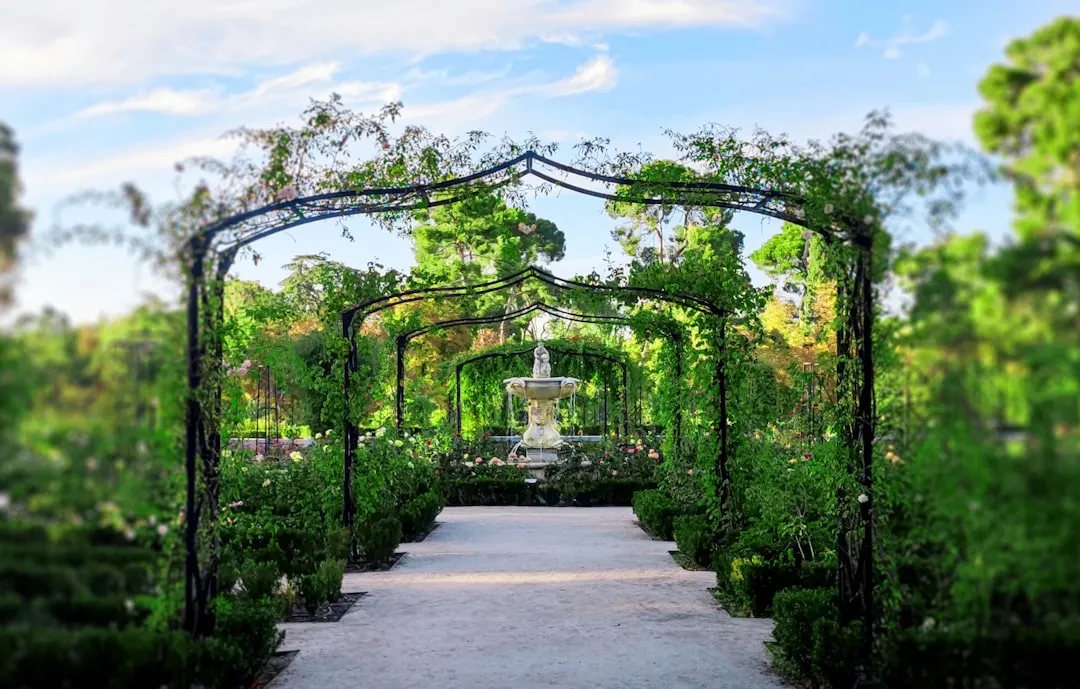
Orange County gardeners have a remarkable advantage: a climate that genuinely rewards good plant choices rather than punishing them. These five evergreen staples, Toyon, California Lilac, Rosemary, California Buckwheat, and California Sagebrush, all share the same core qualities. They stay green year-round, they need minimal water once established, they support local wildlife, and they look better as they age.
The hardest part is usually getting started. Pick one or two that suit your microclimate, plant them this fall when the rains return, water them through establishment, and then mostly leave them alone. The garden will take care of the rest.
A yard built around the right evergreens isn’t just easier to maintain. It’s a garden you actually want to spend time in, every single month of the year.
AI Disclaimer: This article was created with the assistance of AI tools and reviewed by a human editor.