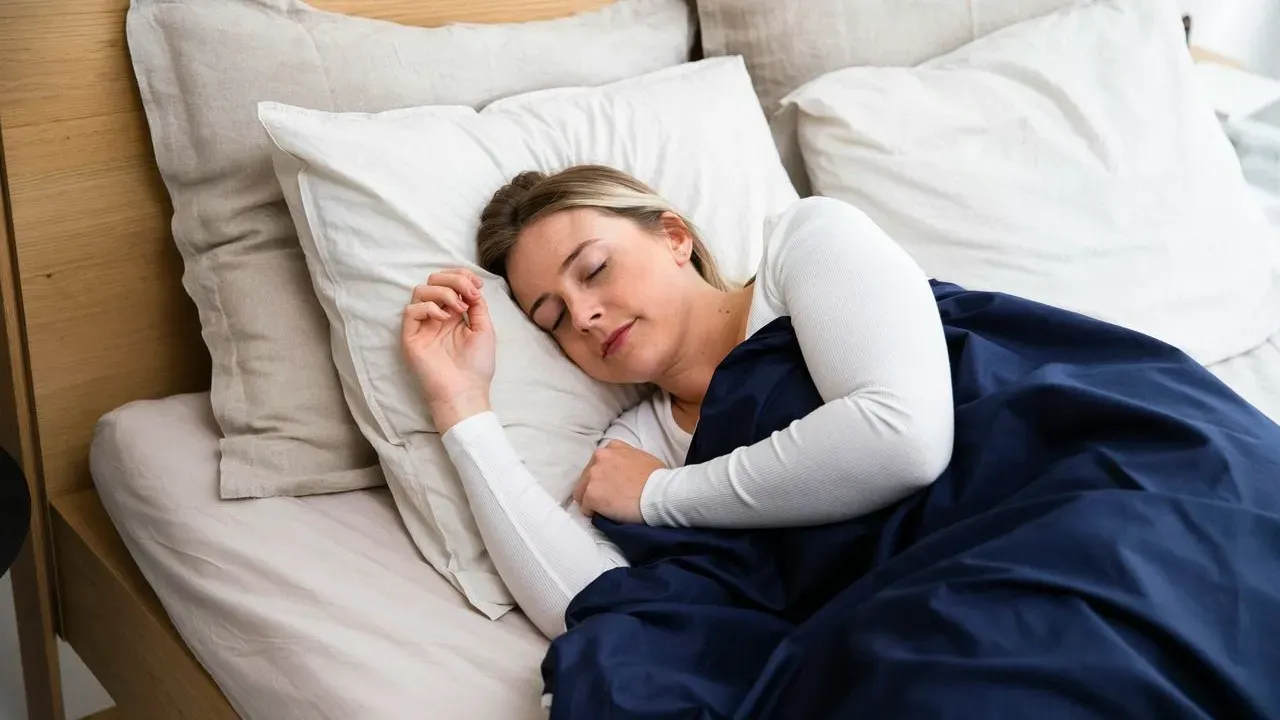

Many women in midlife know the pattern. The bedtime routine is the same, the room is comfortable, and then the clock reads 2 or 3 a.m. with sleep suddenly out of reach. A recent article on a personal health blog describes this experience and links it to perimenopause, stress, and the way the body recovers overnight ([1]). The experience is common, but its causes rarely come from a single source, and several overlapping factors appear to be at work.
Hormones set the stage, but they are not the only factor
Perimenopause is the transition before menopause, when ovarian hormone output becomes less steady. Menstrual cycles may stretch, shorten, or turn unpredictable, and sleep can shift even when a woman’s daily habits have not changed. Many women never recall a full hot flash, yet they still notice that their sleep has grown lighter and more broken.
Estrogen and progesterone affect far more than the reproductive system. They interact with the systems that govern body temperature, mood, and sleep. One key piece involves the thermoneutral zone, the narrow band of core temperature where the body does not need to cool or warm itself. During the menopausal transition, that band can narrow, so small temperature changes may be enough to trigger sweating or flushing.
Progesterone adds another layer. Its neuroactive metabolites interact with GABA-A receptors, which help regulate inhibitory signaling in the brain, and researchers are examining how these shifts relate to sleep. A single hormone measurement still cannot explain a person’s nights. A 2025 review in Current Opinion in Obstetrics & Gynecology stresses that menopausal sleep problems arise from several contributors, including mood symptoms and underlying sleep disorders, which helps explain why two women of the same age can sleep very differently.
Stress often determines how hard it is to fall back asleep
The awakening itself is often brief. What follows is where many people lose the rest of the night. Consider a 3 a.m. sweat that passes within minutes. The body has already begun to cool, but attention drifts toward the next day’s meetings or an unfinished task. The harder someone tries to force sleep, the more alert they can feel.
Clinicians often describe this as hyperarousal, a state in which the body and mind remain more active than sleep requires, even without a real threat. The autonomic nervous system helps explain the pattern. Sympathetic activity prepares the body for action, while parasympathetic pathways support rest and recovery. These systems work together rather than as a simple switch. Repeated broken nights can also make bedtime itself feel stressful, which adds tension to the following evening.
This distinction shapes which response makes sense. A calming routine may ease anxiety-driven wakefulness, but it will not stop hot flashes from interrupting sleep. When temperature is the main trigger, cooling strategies matter more. When racing thoughts take over, the focus shifts toward the mental habits that keep someone awake.
What to track over several weeks: whether wake times repeat, whether night sweats come before each interruption, and whether a full night in bed still leaves you exhausted. Patterns like these are often more revealing than a single bad night.
Practical changes that target the actual cause
Rather than overhauling everything at once, many people benefit from changing one or two habits that match their specific disruption. The following adjustments are commonly suggested:
- Manage temperature with breathable sleepwear, bedding that manages moisture, removable layers, and a spare lightweight blanket within reach.
- Time caffeine and alcohol carefully, since caffeine can remain active for hours and alcohol may cause early drowsiness before disrupting the later part of the night.
- Keep wake times steady and seek morning daylight to support the body’s circadian rhythm.
- Stay physically active during the day, whether through walking, swimming, strength training, or gentle yoga. Intensity is not required.
Cognitive behavioral therapy for insomnia, known as CBT-I, is another option. It targets the thoughts and behaviors that keep sleep problems going, using methods such as stimulus control, sleep restriction, and techniques for easing bedtime anxiety. The International Menopause Society lists CBT-I as a first-line treatment for sleep disturbances across the menopausal transition. These approaches are not interchangeable. A woman whose main problem is repeated night sweats may need care focused on vasomotor symptoms, while someone who struggles to fall asleep may benefit more from CBT-I.
Where wearables and nerve stimulation fit in
Wellness technology has moved well beyond basic tracking. Consumer sleep trackers estimate sleep stages from movement and cardiovascular signals rather than measuring brain activity directly. A low deep sleep reading on a smartwatch does not diagnose a disorder or prove that hormones are responsible. Deep sleep does tend to decline with age, though medications, health conditions, and lifestyle factors also play a role.
Some newer products go further. Transcutaneous auricular vagus nerve stimulation uses electrodes placed against parts of the outer ear to deliver small electrical pulses. A 2024 randomized trial published in JAMA Network Open enrolled 72 adults with chronic insomnia and compared active stimulation with a sham version over eight weeks. The active group improved more on the Pittsburgh Sleep Quality Index. The study was conducted at a single center and did not focus on perimenopause, so it does not show that the approach treats menopause-related sleep loss.
Other causes deserve attention as well. Obstructive sleep apnea becomes more common around menopause and does not always produce loud snoring. Restless legs syndrome, thyroid disorders, depression, anxiety, chronic pain, and medication effects can also disrupt sleep. Hormone therapy may help some women with vasomotor symptoms, but it is not a universal sleep solution, and a clinician should weigh its benefits and risks against individual history.
Waking at 3 a.m. is rarely a single problem with a single fix. Identifying whether heat, stress, a medical condition, or daily habits are doing the most damage is the most useful starting point, and it tends to lead to better decisions than chasing the newest product.
AI Disclaimer: This article was created with the assistance of AI tools and reviewed by a human editor.