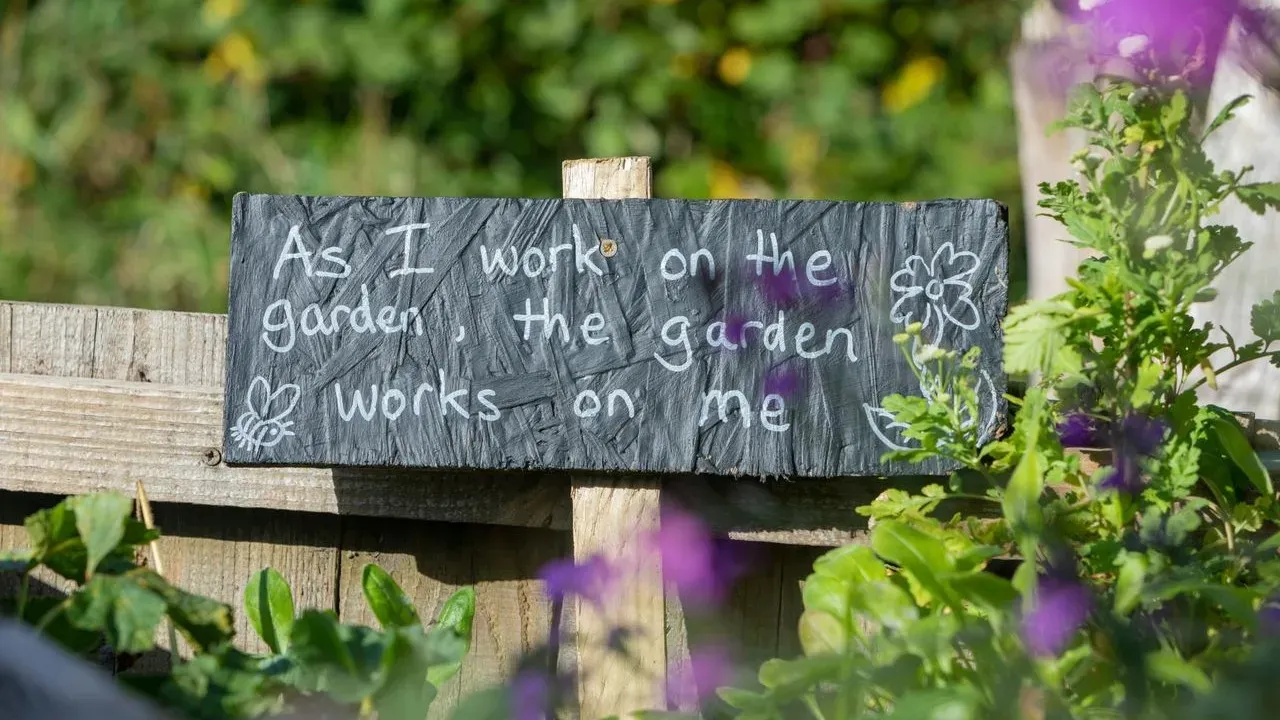

Many gardeners approach their plots with an eye for balance and expression that mirrors traditional artistic practice. They select plants for shape, texture, and seasonal shift, then position them to guide the eye and create depth. This approach turns routine yard work into an ongoing creative process. The idea draws fresh attention in recent discussions of horticulture as a legitimate medium. ([1])
Composition Beyond the Flat Canvas
Garden design relies on the same visual tools used in painting or sculpture. Lines of sight establish foreground and background, while contrasts in foliage and bloom create focal points. Light and shadow play across the space throughout the day, altering the mood of each scene. Walkways and plant groupings function like brushstrokes that lead viewers through the composition. Proportions matter as much here as in any framed work, yet the medium allows movement within the piece itself. Gardeners adjust placements over months or years to refine these relationships. The result rewards repeated observation rather than a single glance.
Time as the Fourth Dimension
Unlike static paintings or carvings, gardens evolve continuously. A single tree may frame a view one season and obscure it the next, while perennials expand or retreat according to weather and age. This built-in change adds a temporal layer that conventional art rarely captures. The process resembles an unfinished canvas that the artist revisits indefinitely. Early plantings set the foundation, yet later additions or removals respond to growth patterns and shifting tastes. Decay and renewal occur in cycles rather than as a final endpoint. Such fluidity distinguishes garden work from objects that simply deteriorate once completed.
Personal Value Over Public Recognition
Most gardens never enter formal exhibitions, yet they deliver direct satisfaction to their creators. The effort centers on enjoyment rather than investment potential or critical acclaim. A modest border or container arrangement can provide the same sense of accomplishment as larger, celebrated landscapes. Familiarity sometimes obscures this achievement. Daily tasks highlight chores instead of the overall effect that visitors notice first. Stepping back reveals the cumulative result of choices made across seasons. This private appreciation aligns with how many people value art that simply fits their own space and needs.
Practical Outcomes for Everyday Gardeners
Treating a garden as art changes how maintenance decisions are weighed. Choices about pruning or replanting gain purpose when viewed as adjustments to an evolving composition. The timeline stretches indefinitely, encouraging patience with incremental progress. Homeowners, community groups, and urban residents all participate in this form of expression. Limited space does not prevent participation, since scale ranges from windowsills to larger plots. The medium remains accessible as long as suitable plants fit the conditions. Over time, this outlook reframes routine care as continued creative refinement rather than obligation alone.
AI Disclaimer: This article was created with the assistance of AI tools and reviewed by a human editor.