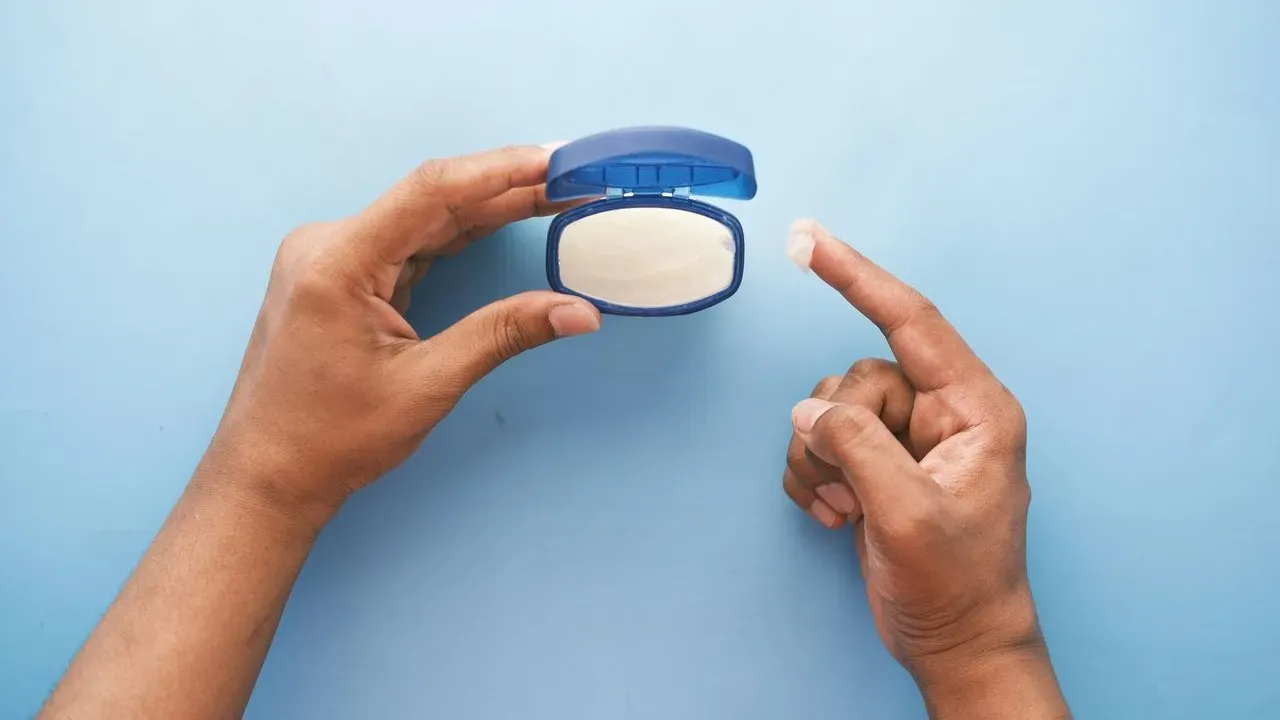

You reach into the back of a medicine cabinet and find a jar of Vaseline that has sat untouched for years. The question of whether it has gone bad comes up often with household staples, yet petroleum jelly follows its own rules. Its composition of mineral oils and waxes contains no water at all, which sets it apart from most other products that eventually spoil.
The Chemistry That Keeps It Stable
Petroleum jelly consists of saturated hydrocarbons refined to remain chemically inert. Unlike plant-based oils that contain double bonds prone to oxidation, this formula resists the reactions that lead to rancidity. The complete absence of water further prevents bacterial or fungal growth, since microorganisms require moisture to thrive. Manufacturers note that this anhydrous quality supports an extended period of usability. Trace volatile components may evaporate slowly over many years, leading to slight thickening, but that physical shift does not affect safety or function. The product therefore sidesteps the usual pathways of degradation seen in lotions, creams, or oils.
Why Some Jars Carry Dates and Others Do Not
Regulatory categories explain the variation in labeling. Petroleum jelly marketed purely as a cosmetic moisturizer faces no requirement for an expiration date under FDA rules that apply to most cosmetics. When the same base material is positioned as a skin protectant for minor cuts or chapped skin, it falls under an over-the-counter drug monograph and must meet stability and labeling standards. Many common jars therefore display a printed date even though the underlying material remains remarkably resistant to breakdown. That date reflects regulatory expectations rather than evidence of imminent failure. A sealed container kept away from heat and light can remain usable well beyond the conservative window suggested on the label.
Real Risks and How to Minimize Them
The primary concern with long-stored petroleum jelly is not chemical decay but contamination introduced during use. Repeated contact with fingers can transfer bacteria or debris to the surface over time. Clean application habits reduce that risk more effectively than any other step. Store the jar in a cool, dry location away from direct sunlight. Keep the lid secured between uses and consider a clean applicator instead of fingers for repeated access. Occasional wiping of the rim helps maintain a better seal. These simple practices extend practical usability without altering the product’s inherent stability.
What to Check Before Using an Old Jar
Examine the contents for any change in appearance or odor. A mild, waxy scent is normal; a rancid, musty, or chemical smell indicates the product should be discarded. Visible discoloration, debris, or surface separation also signals that contamination has occurred. Slight firming after extended storage represents a normal physical change and does not mean the jelly has spoiled. When the product looks, smells, and feels as expected, it continues to function as a protective barrier. The main difference from water-based items is that age itself rarely renders petroleum jelly unsafe. A clean jar of Vaseline can therefore remain a reliable household item for far longer than most people assume. The key lies in recognizing that its stability comes from what it lacks rather than from added preservatives.
AI Disclaimer: This article was created with the assistance of AI tools and reviewed by a human editor.