
Winter often transforms our homes into cozy retreats, but it can also limit our access to the vibrant beauty of outdoor gardens. However, with the innovative concept of window farms, you can bring the lushness of nature right into your living space, even during the coldest months. Window farms are vertical hydroponic systems that utilize the natural light from your windows to grow a variety of plants indoors. As a passionate gardener, I’m thrilled to share how you can set up and maximize a window farm to create a thriving indoor garden that not only beautifies your home but also provides fresh herbs, vegetables, and flowers all winter long.
Embracing window farms for winter indoor gardening offers numerous benefits, from enhancing air quality to providing a continuous supply of fresh produce. I understand how frustrating it can be when outdoor gardening isn’t an option due to harsh weather conditions, but window farms present a perfect solution to keep your green thumb active. Whether you have a small apartment or a spacious home, window farms can be customized to fit any space, making indoor gardening accessible and enjoyable. Let’s explore the essentials of utilizing window farms for winter indoor gardening, including setup tips, plant selection, maintenance practices, and troubleshooting common issues to ensure your indoor garden flourishes all season!
Choosing Plants for Window Farms
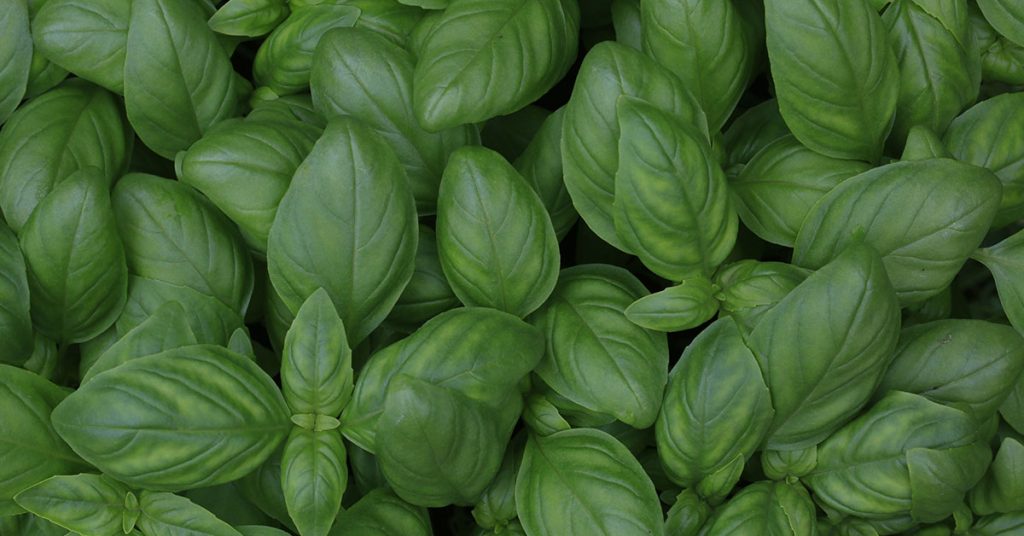
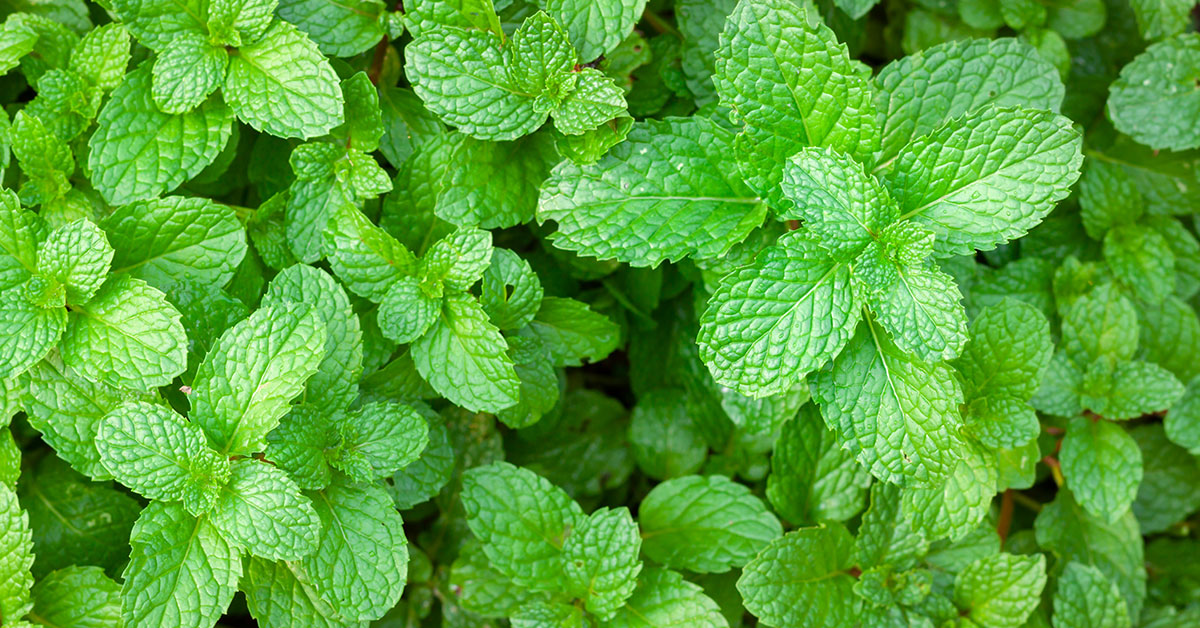
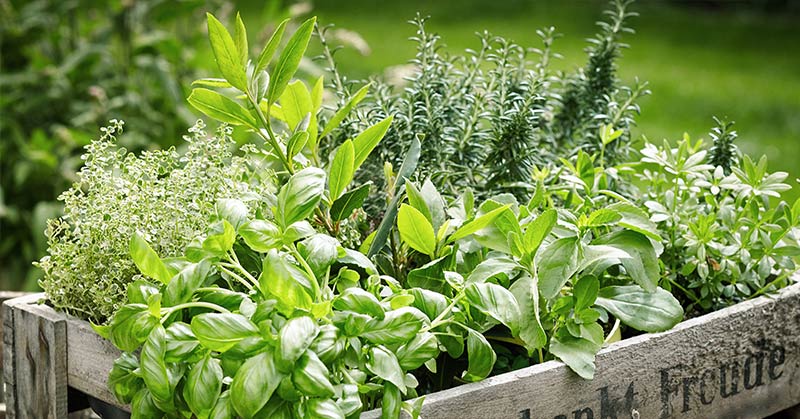
Selecting the right plants is crucial for the success of your window farm, especially during the winter months when light levels and temperatures can vary. I always recommend opting for plants that thrive in hydroponic systems and can handle the reduced natural light typical of winter. Herbs like basil, mint, and parsley are excellent choices as they are resilient and provide fresh flavors for your culinary creations. Additionally, leafy greens such as lettuce, spinach, and kale are perfect for window farms because they grow quickly and require minimal space. These plants are native to temperate regions and are not considered invasive, making them ideal for indoor cultivation without the risk of spreading uncontrollably.
Flowering plants like orchids and African violets can also thrive in window farms, adding vibrant colors and delightful fragrances to your indoor space. Native to tropical and subtropical areas, these flowers appreciate the consistent humidity and controlled environment that window farms provide. Succulents and small fruiting plants, such as cherry tomatoes and strawberries, are another fantastic option. They not only enhance the aesthetic appeal of your window farm but also offer the satisfaction of harvesting your own produce. By carefully selecting a diverse range of plants that suit your window farm’s conditions, you can create a dynamic and productive indoor garden that remains lush and vibrant throughout the winter months!
Setting Up Your Window Farm

Setting up a window farm involves a few key steps to ensure that your plants receive the optimal conditions for growth. First, choose a suitable window that receives ample sunlight, preferably a south or west-facing window that gets the most consistent light. I always start by assembling the vertical hydroponic system, which typically includes a water reservoir, a nutrient solution, and a series of grow cups or pots where your plants will thrive. Ensuring that the system is securely mounted and stable is essential to prevent any accidents, especially in homes with children or pets.
Next, prepare the growing medium and plant your chosen species into the grow cups. I prefer using coconut coir or perlite as a lightweight and breathable medium that supports root growth and nutrient absorption. Fill the reservoir with a balanced hydroponic nutrient solution, following the manufacturer’s instructions to provide your plants with the necessary nutrients. Regularly monitor the water levels and nutrient concentration, adjusting as needed to maintain a healthy environment for your plants. By following these setup steps meticulously, you can create a robust and efficient window farm that supports the continuous growth of your indoor garden, even during the quieter winter months!
Maintaining Your Window Farm
Maintaining your window farm during the winter requires consistent care and attention to ensure your plants remain healthy and productive. I always start by establishing a regular watering and nutrient schedule, as hydroponic systems rely on precise nutrient delivery to thrive. Check the water reservoir daily, topping it up with fresh nutrient solution as needed and ensuring that the water level remains consistent. This helps prevent nutrient deficiencies and supports steady plant growth, even when natural light is less abundant.
In addition to watering, it’s important to regularly inspect your plants for signs of stress or disease. Look out for yellowing leaves, wilting, or any unusual discoloration, which can indicate issues with nutrient levels or root health. I find that pruning any dead or overgrown foliage not only keeps the plants looking their best but also promotes better air circulation and light penetration within the window farm. Cleaning the system periodically to remove any algae buildup or debris ensures that your hydroponic setup remains efficient and free from contaminants. By staying vigilant and proactive in your maintenance routine, you can enjoy a thriving window farm that enhances your indoor gardening experience all winter long!
Lighting and Environment Considerations

Proper lighting is a cornerstone of successful indoor gardening, especially in the winter when natural daylight is limited. While window farms capitalize on available sunlight, supplementing with artificial grow lights can significantly boost plant growth and productivity. I recommend using full-spectrum LED grow lights, which mimic the natural light spectrum and provide the essential wavelengths needed for photosynthesis. Positioning the lights to cover all areas of your window farm ensures that each plant receives adequate illumination, promoting even growth and vibrant health.
Beyond lighting, maintaining a stable environment is essential for your window farm’s success. I always keep an eye on the temperature and humidity levels, as extreme fluctuations can stress your plants and impede their growth. Most indoor plants thrive in temperatures between 65-75°F (18-24°C) and moderate humidity levels. Using a thermostat and a humidifier can help regulate these factors, creating a consistent and comfortable climate for your plants. Additionally, ensuring good air circulation with a small fan can prevent stagnant air and reduce the risk of fungal diseases. By carefully managing the lighting and environmental conditions, you create a nurturing habitat that supports the flourishing of your window farm throughout the winter!
Troubleshooting Common Issues
Even with the best setup, window farms can encounter a few common issues that require prompt attention. One of the most frequent problems is nutrient deficiencies, which can manifest as discolored or stunted growth. I always address this by regularly testing the nutrient levels in the reservoir and adjusting the solution as needed. Ensuring that the nutrient solution is well-balanced and replenished according to the plant’s growth cycle helps prevent deficiencies and keeps your plants healthy and robust.
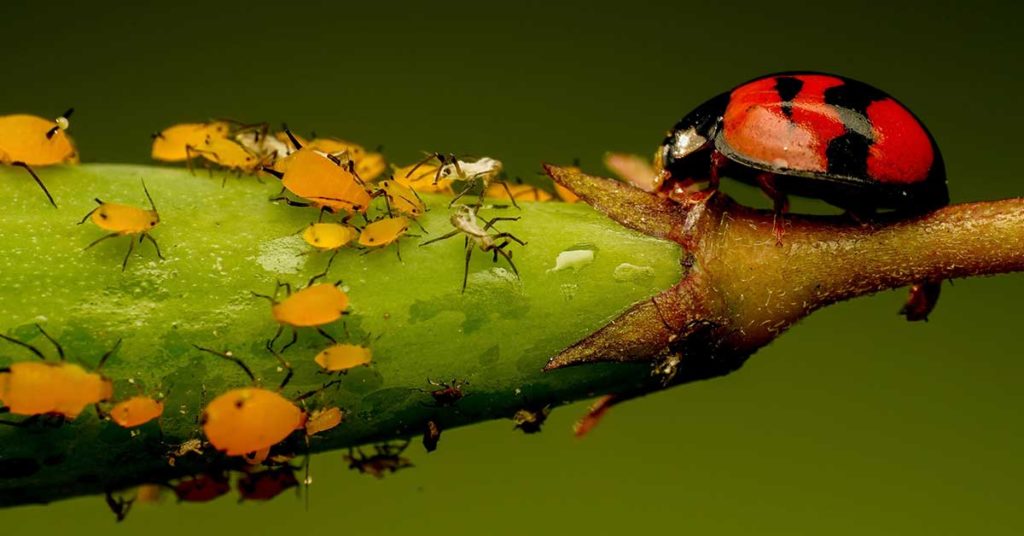
Another common issue is pest infestations, such as spider mites or aphids, which can thrive in the indoor environment of a window farm. I find that regular inspections and early intervention are key to managing pests effectively. Using natural remedies like neem oil or introducing beneficial insects such as ladybugs can help control pest populations without harming your plants. Additionally, keeping the window farm clean and free from debris reduces the likelihood of pests taking hold. By staying proactive and addressing these common challenges head-on, you can maintain a healthy and thriving window farm that continues to beautify your home and provide fresh produce all winter long!
Sustainable Practices with Window Farms

Embracing sustainable practices in your window farm not only benefits your indoor garden but also contributes positively to the environment. I always strive to use eco-friendly materials and methods to minimize waste and reduce my carbon footprint. For instance, opting for reusable grow cups and recycled water reservoirs helps conserve resources and promotes a more sustainable gardening approach. Additionally, choosing organic hydroponic nutrients ensures that your plants receive natural nourishment without harmful chemicals, supporting both plant health and environmental sustainability.
Another sustainable practice is composting plant trimmings and using them to enrich your hydroponic system. I often repurpose pruned leaves and stems by adding them to a compost bin, creating a nutrient-rich compost that can be used to supplement the hydroponic nutrients. This not only reduces waste but also provides your plants with a diverse range of nutrients, enhancing their growth and resilience. Incorporating energy-efficient grow lights and optimizing their usage to match your plants’ needs further reduces energy consumption, making your window farm an eco-friendly addition to your home. By implementing these sustainable practices, you create a window farm that is not only productive and beautiful but also environmentally responsible and aligned with a greener lifestyle!
Conclusion
Utilizing window farms for winter indoor gardening is a brilliant way to keep your green space thriving and productive, even when outdoor gardening is not an option. By selecting the right plants, setting up your window farm meticulously, and maintaining it with consistent care, you can enjoy a lush and vibrant indoor garden throughout the colder months. I know how challenging it can be to keep plants healthy during winter, but with the innovative design of window farms and these best practices, your indoor gardening experience can flourish and bring life and freshness to your home all season long.