

As the vibrant hues of autumn begin to settle into your garden, October is the perfect time to harness the power of compost teas to invigorate your plants and prepare them for the coming winter. Compost tea, a liquid extract derived from high-quality compost, is a potent elixir that provides essential nutrients and beneficial microorganisms directly to your plants’ roots and leaves. This natural fertilizer not only enhances plant growth and resilience but also improves soil health, making it an indispensable tool for gardeners looking to maximize their autumn harvest and ensure their garden thrives year after year!
Integrating compost teas into your fall gardening routine offers a multitude of benefits that go beyond simple fertilization. By introducing a rich blend of nutrients and microorganisms, compost tea strengthens plant immunity against pests and diseases, reduces the need for chemical interventions, and promotes sustainable gardening practices. Whether you’re nurturing blooming perennials, hearty vegetables, or ornamental shrubs, compost tea can significantly boost their vitality and color during the cooler months. Let’s explore the various ways compost teas can enhance your autumn garden, the steps to brew your own, and the best practices for application to achieve the healthiest and most vibrant plants this fall!
Brewing Your Own Compost Tea

One of the most rewarding aspects of using compost tea is the ability to brew your own, ensuring that you’re providing your plants with the freshest and most potent mixture possible. To create a robust compost tea, start with high-quality, well-decomposed compost, preferably from your own garden to ensure it’s free from pests and diseases. Fill a large container or brewing vessel with water, ideally rainwater or dechlorinated tap water to avoid harming the beneficial microorganisms. Add a handful of compost to a mesh bag or directly into the water, and let the mixture steep for about 24 to 48 hours, stirring occasionally to aerate the solution and promote microbial growth.
During the brewing process, it’s essential to maintain a steady supply of oxygen to encourage the proliferation of beneficial bacteria and fungi. Aerate the mixture using an aquarium pump or by manually stirring the tea several times a day. After the brewing period, strain the liquid to remove solid particles, resulting in a clear, nutrient-rich tea ready for application. The final product should have a pleasant, earthy aroma, indicating a healthy microbial population. By brewing your own compost tea, you not only save money but also tailor the mixture to the specific needs of your autumn garden, ensuring that each application delivers maximum benefits to your plants!
Applying Compost Tea to Your Garden

Once your compost tea is ready, applying it to your garden is a straightforward process that can yield impressive results. The best time to use compost tea is in the early morning or late afternoon when temperatures are cooler, allowing the tea to be absorbed effectively without the risk of rapid evaporation or burning the plants. Use a watering can or a sprayer to evenly distribute the tea around the base of your plants, ensuring that the roots receive direct contact with the nutrient-rich liquid. For foliar application, spray a fine mist of compost tea onto the leaves, which allows the nutrients and microorganisms to be absorbed through the foliage, boosting overall plant health and vigor.
Consistent application of compost tea throughout the fall can significantly enhance plant growth and resilience. For vegetables like kale (Brassica oleracea) native to the Mediterranean and ornamental plants like chrysanthemums (Chrysanthemum spp.) native to Asia and northeastern Europe, regular use of compost tea can improve nutrient uptake, strengthen stems, and increase resistance to pests and diseases. Additionally, compost tea can help repair any damage caused by late-season frosts or heavy rains, ensuring that your plants remain robust and vibrant as the season progresses. By integrating compost tea applications into your autumn gardening routine, you create a thriving environment where your plants can flourish and prepare for the challenges of winter!
Enhancing Soil Health with Microorganisms

Compost tea is a powerhouse of beneficial microorganisms that play a crucial role in enhancing soil health and plant growth. These microorganisms, including bacteria, fungi, and protozoa, help break down organic matter, making nutrients more accessible to plant roots and improving overall soil structure. In October, when soil conditions can become compacted and nutrient-depleted, the introduction of compost tea revitalizes the soil ecosystem, promoting better water retention, increased aeration, and enhanced root development. This creates a fertile and balanced environment where plants can thrive even in the cooler months.
Moreover, the presence of these beneficial microorganisms in your soil acts as a natural defense against harmful pathogens and pests. They compete with disease-causing organisms for resources, effectively reducing the incidence of root rot, fungal infections, and other plant diseases. This biological control method minimizes the need for chemical treatments, fostering a healthier and more sustainable garden ecosystem. By regularly applying compost tea, you nurture a vibrant soil microbiome that supports robust plant growth, enhances nutrient cycling, and maintains the long-term health and productivity of your autumn garden!
Choosing the Right Compost for Tea

Selecting the appropriate compost is fundamental to brewing an effective compost tea that delivers maximum benefits to your fall garden. High-quality compost should be rich in organic matter, free from contaminants, and well-decomposed, ensuring a balanced nutrient profile and a thriving population of beneficial microorganisms. I always choose compost from my own garden, as it’s tailored to the specific needs and conditions of my soil and plants, eliminating the risk of introducing pests or diseases that can be present in commercial compost.
When choosing compost, consider the types of plants you have and their specific nutrient requirements. For instance, leafy vegetables like spinach (Spinacia oleracea) native to Central and Southwest Asia thrive on nitrogen-rich compost, while flowering plants like dahlias (Dahlia spp.) native to Mexico benefit from a balanced mix of nutrients. Additionally, incorporating compost made from a diverse range of organic materials, such as kitchen scraps, garden waste, and manure, ensures a broad spectrum of nutrients and microorganisms that support overall plant health. By selecting the right compost, you create a robust foundation for your compost tea, enhancing its effectiveness and ensuring that your autumn garden receives the precise nourishment it needs to flourish!
Benefits for Specific Plants
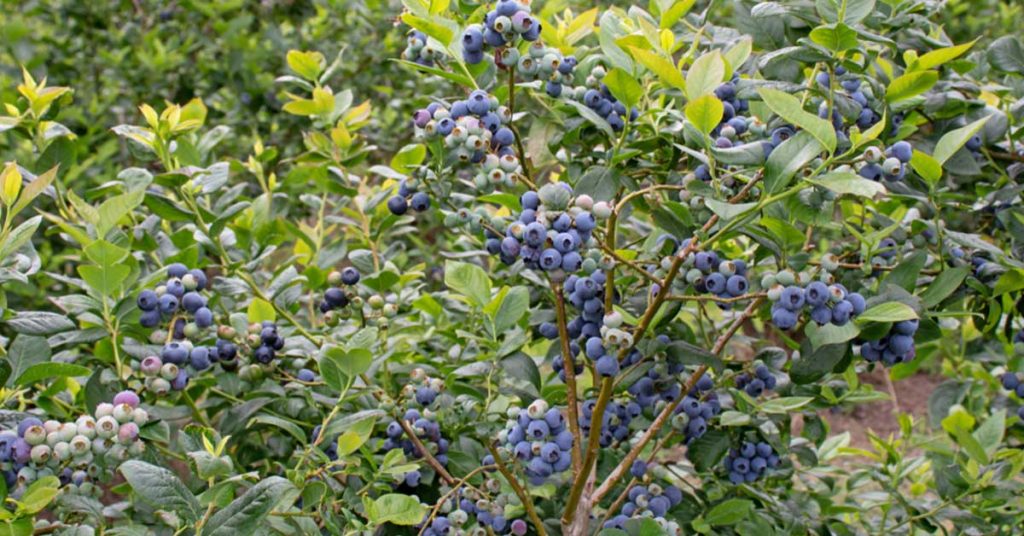
Using compost tea can provide targeted benefits to a variety of plants in your fall garden, enhancing their growth, resilience, and overall health. For example, perennials like hostas (Hosta spp.) native to Asia benefit from compost tea’s rich nutrient content, which promotes lush, vibrant foliage and vigorous growth. These plants, which are often prone to pests and diseases, gain increased resistance and improved health from the microbial boost provided by compost tea. Additionally, fruit-bearing plants like blueberries (Vaccinium spp.) native to North America thrive with regular compost tea applications, resulting in higher yields and more robust fruit development.
Vegetables such as brassicas, including broccoli (Brassica oleracea var. italica) native to the Mediterranean and cauliflower (Brassica oleracea var. botrytis) native to Europe, also benefit significantly from compost tea. The enhanced nutrient uptake leads to healthier plants with stronger stems and better resistance to common pests like cabbage worms and aphids. Furthermore, flowering plants like asters (Symphyotrichum spp.) native to North America experience improved bloom quality and extended flowering periods when treated with compost tea. By understanding the specific needs of each plant variety and applying compost tea accordingly, you can maximize the health and productivity of your entire fall garden!
Sustainable Gardening Practices
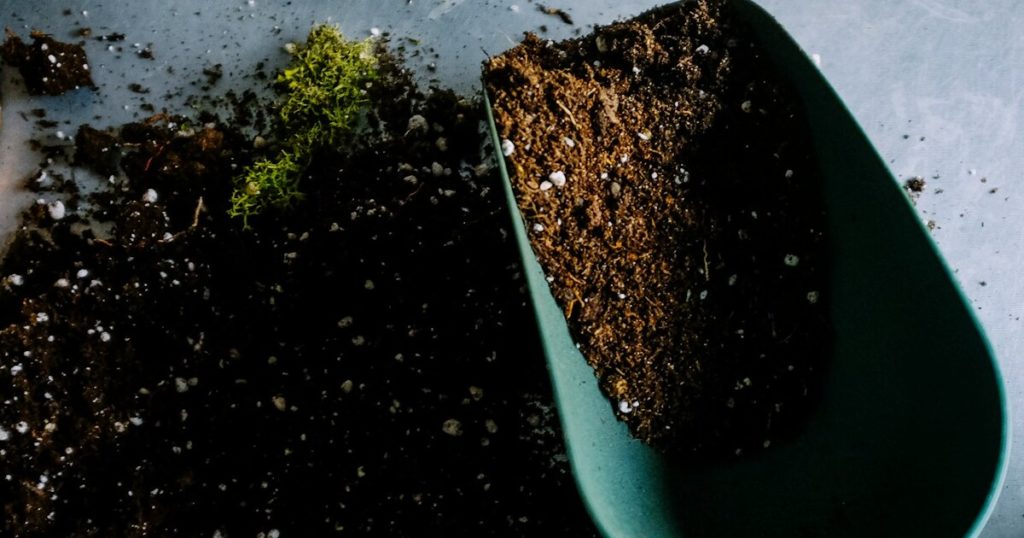
Incorporating compost tea into your autumn gardening routine aligns perfectly with sustainable gardening practices, promoting environmental stewardship and reducing your reliance on synthetic fertilizers. Compost tea is an eco-friendly alternative that recycles organic waste into a valuable resource, closing the nutrient loop and minimizing garden waste. By using compost tea, you enhance soil fertility naturally, support beneficial microorganisms, and foster a healthy, balanced ecosystem in your garden. This sustainable approach not only benefits your plants but also contributes to a healthier environment by reducing the need for chemical inputs that can harm beneficial insects and pollute water sources.
Moreover, compost tea promotes biodiversity within your garden, attracting a variety of beneficial insects and pollinators that support plant health and productivity. Plants treated with compost tea are more resilient to pests and diseases, reducing the need for chemical pesticides and fostering a natural, self-regulating garden ecosystem. This harmonious balance ensures that your garden thrives sustainably, providing beauty and nourishment year after year. By embracing compost tea as part of your sustainable gardening practices, you cultivate a garden that is both productive and environmentally friendly, ensuring long-term health and vitality for your plants and the surrounding ecosystem!
Troubleshooting Common Issues
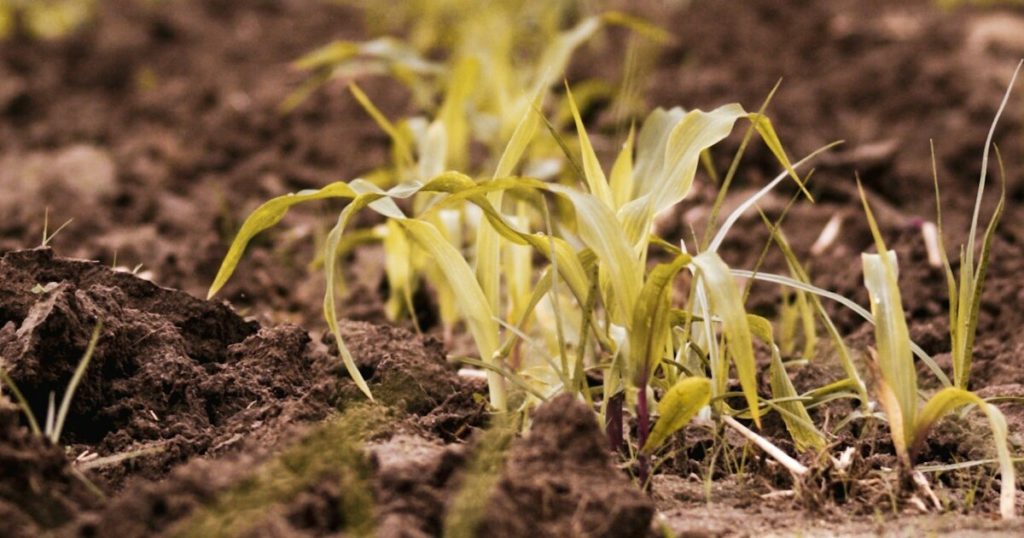
While compost tea is a powerful tool for boosting plant growth, it’s essential to be aware of common issues that can arise during the brewing and application process. One frequent problem is the presence of unpleasant odors, which can indicate an imbalance in the microbial population. To avoid this, ensure that your compost tea is properly aerated during brewing, as a lack of oxygen can lead to anaerobic conditions and foul smells. If your tea smells sour or rotten, it’s best to discard it and start a new batch with fresh compost to ensure a healthy and beneficial mixture for your plants.
Another common issue is inconsistent nutrient delivery, which can result from improper brewing or application techniques. To ensure that your compost tea provides the maximum benefits, maintain a consistent brewing schedule, using high-quality compost and clean water. Additionally, apply the tea evenly across your garden beds, avoiding over-application to prevent nutrient burn or runoff. Monitoring your plants’ response to compost tea applications can help you identify and adjust any inconsistencies, ensuring that your autumn garden receives the precise nourishment it needs. By addressing these common issues proactively, you can maintain the effectiveness of your compost tea and enjoy a thriving, healthy garden throughout the fall season!
Enhancing Plant Immunity and Resilience

One of the standout benefits of using compost tea in your fall garden is its ability to enhance plant immunity and resilience against environmental stresses. The rich microbial content of compost tea strengthens plants’ natural defenses, making them more resistant to diseases, pests, and extreme weather conditions such as frost and heavy rains. This is particularly important in autumn, as plants transition into their dormant phase and become more vulnerable to stresses that can affect their overall health and productivity.
Additionally, compost tea improves soil structure and nutrient availability, which in turn supports stronger and more resilient plant growth. Healthy plants with robust root systems are better equipped to absorb water and nutrients efficiently, reducing the likelihood of stress-related issues and promoting overall vitality. By regularly applying compost tea, you create a supportive environment that enhances your plants’ ability to withstand the challenges of autumn and prepare for the winter ahead. This proactive approach ensures that your garden remains healthy and vibrant, providing a solid foundation for new growth in the spring!
Attracting Beneficial Wildlife

Compost tea not only benefits your plants directly but also plays a role in attracting beneficial wildlife to your garden, enhancing the overall ecosystem. The nutrient-rich liquid fosters the growth of beneficial insects such as ladybugs and lacewings, which are natural predators of common garden pests like aphids and mites. By promoting a healthy population of these beneficial insects, compost tea helps maintain a balanced and thriving garden environment, reducing the need for chemical pest control methods.
Moreover, compost tea supports the growth of flowering plants that attract pollinators like bees, butterflies, and hummingbirds. These pollinators are essential for the reproduction of many plants, ensuring a fruitful and productive garden. Additionally, birds are drawn to the increased insect activity, providing natural pest control and adding a lively presence to your garden. By using compost tea, you create an inviting habitat for a variety of beneficial wildlife, fostering a vibrant and interconnected garden ecosystem that supports plant health and biodiversity throughout the autumn season!
Selecting the Right Compost Tea Recipe

Choosing the right compost tea recipe is crucial for maximizing the benefits and ensuring the health of your plants. Different recipes can yield varying concentrations of nutrients and microorganisms, so it’s important to select one that aligns with your garden’s specific needs. A basic compost tea recipe typically includes high-quality compost, non-chlorinated water, and a nutrient booster like molasses or fish emulsion to feed the beneficial microbes during the brewing process. This balanced approach ensures a robust and effective tea that delivers essential nutrients and promotes microbial activity in your garden.
For gardeners seeking specialized benefits, there are tailored compost tea recipes that focus on specific plant requirements or garden conditions. For example, adding seaweed extract can provide additional micronutrients and enhance plant stress resistance, while neem oil can introduce natural pest-repellent properties to the tea. Experimenting with different recipes and ingredients allows you to customize your compost tea to address the unique challenges and goals of your autumn garden. By selecting and refining the right compost tea recipe, you ensure that your plants receive the optimal blend of nutrients and microorganisms, boosting their growth and resilience throughout the fall season!
Integrating Compost Tea with Other Organic Practices

Compost tea is a versatile tool that can be seamlessly integrated with other organic gardening practices to create a holistic and sustainable approach to fall garden care. Combining compost tea with techniques such as mulching, companion planting, and organic pest control enhances the overall effectiveness of your gardening efforts. For instance, applying compost tea alongside a thick layer of organic mulch helps retain soil moisture, suppress weeds, and provide a steady supply of nutrients to your plants. This synergy ensures that your garden remains healthy and productive throughout the autumn months.
Additionally, integrating compost tea with companion planting can further boost plant health and productivity. By pairing nutrient-rich plants with those that attract beneficial insects, you create a balanced ecosystem that supports natural pest control and pollination. For example, planting marigolds (Tagetes spp.) native to the Americas alongside tomatoes (Solanum lycopersicum) native to South America can deter pests while attracting pollinators. Using compost tea in conjunction with these organic practices amplifies the benefits, creating a resilient and thriving garden that minimizes the need for synthetic inputs. Embracing an integrated approach ensures that your fall garden is not only beautiful and productive but also environmentally friendly and sustainable!
Monitoring and Adjusting Your Compost Tea Applications

To ensure that compost tea applications are delivering the desired benefits, it’s important to regularly monitor your garden’s response and make necessary adjustments. Pay close attention to the health and growth of your plants, looking for signs of improved vigor, color, and resistance to pests and diseases. If you notice positive changes, such as stronger stems and more vibrant foliage, continue with your current compost tea regimen. However, if your plants show signs of nutrient deficiencies or over-application, such as yellowing leaves or wilting, adjust the concentration and frequency of your compost tea applications accordingly.
Additionally, keeping track of weather conditions and seasonal changes can help you optimize your compost tea schedule. For example, during periods of heavy rainfall, reduce the frequency of applications to prevent runoff and nutrient leaching, while during dry spells, increase the applications to ensure that plants receive adequate moisture and nutrients. Maintaining a gardening journal to record your compost tea applications, plant observations, and any adjustments made can provide valuable insights and help you fine-tune your approach for maximum effectiveness. By actively monitoring and adjusting your compost tea practices, you ensure that your autumn garden remains healthy, vibrant, and well-nourished throughout the season!