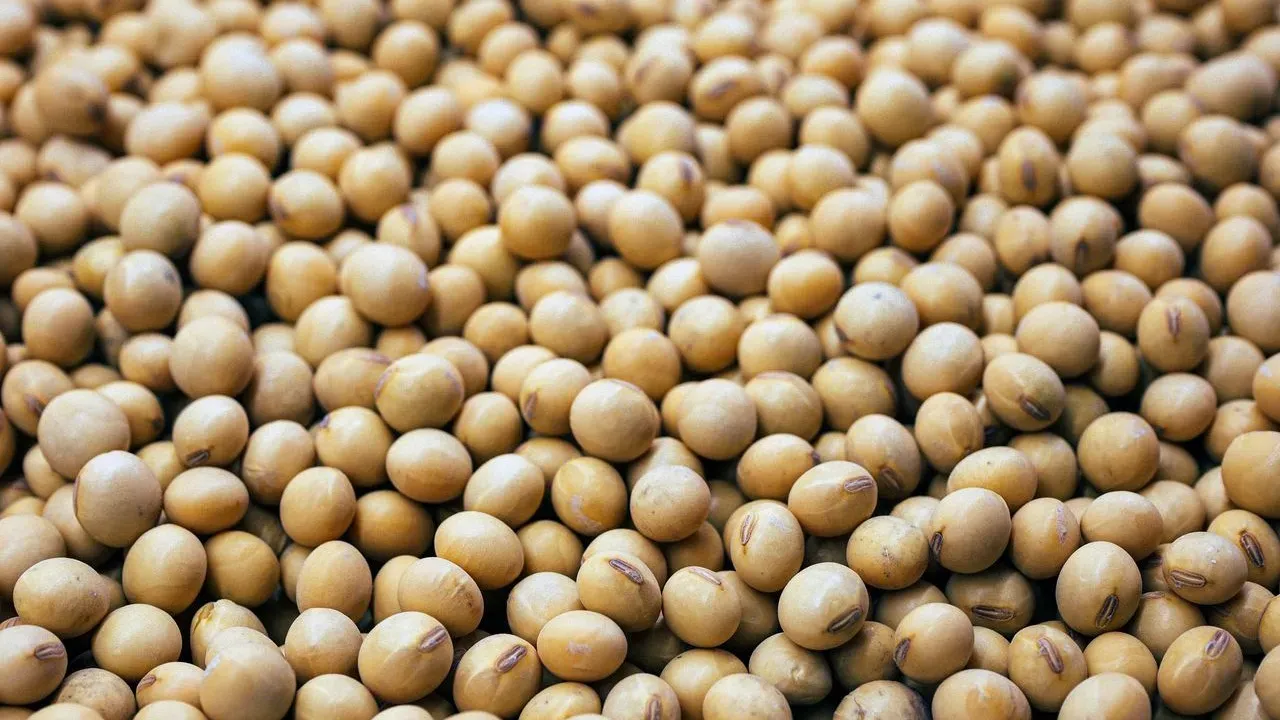

Farmers and home gardeners alike could soon see a new genetically engineered soybean variety enter the market, one designed to fend off certain caterpillar pests without additional sprays. The U.S. Department of Agriculture is currently accepting public comments on a petition to deregulate the crop, giving ordinary citizens a direct voice in a decision that shapes what gets planted across American fields and eventually reaches dinner tables. The window closes October 19, 2026, leaving roughly two months for input on whether the soybean should move forward without further federal oversight. ([1])
A Specific Request from Pioneer
Pioneer Hi-Bred International submitted the petition for its COR-23134-4 soybean, which uses genetic engineering to target lepidopteran insects that damage soybean crops. The company, based in Iowa, develops both conventional hybrid seeds and those modified through biotechnology for traits such as pest resistance. If approved, the soybean would join a long list of genetically engineered crops already grown widely in the United States.
The Animal and Plant Health Inspection Service, part of the USDA, prepared a draft assessment of potential plant pest risks and is now seeking scientific data, studies, or other evidence from the public to inform its final decision. This process reflects how routine evaluations of new crop varieties have become over the past three decades.
What Genetic Engineering Changes in Practice
Unlike traditional selective breeding, which crosses plants over multiple generations and can introduce unwanted traits along with the desired ones, genetic engineering lets scientists insert a single specific gene. In this case, the modification aims to give the soybean built-in protection against certain moths and butterflies whose larvae feed on the plants. The result is a crop that may require fewer chemical insecticides during the growing season.
Similar approaches have already been applied to other major U.S. crops. Corn, cotton, and soybeans together account for the bulk of genetically engineered acreage, with roughly 90 percent of each produced using varieties that carry either herbicide tolerance, insect resistance, or both. These modifications have contributed to measurable shifts in pesticide use and overall yields since the mid-1990s.
Practical Stakes for Growers and Consumers
For commercial farmers, approval could mean access to another tool for managing pests while potentially lowering input costs. Home gardeners who grow vegetables or buy locally produced food may notice indirect effects through changes in supply chains or prices. A Purdue University analysis estimated that a complete ban on genetically engineered crops would raise grocery prices by about 22 percent, illustrating how deeply these varieties are now woven into the food system.
At the same time, concerns persist around long-term ecological effects, such as the development of resistant weeds or insects, and the concentration of seed markets among a small number of companies. Because the seeds are patented, farmers must purchase new stock each season rather than saving seed from their harvest. Cross-pollination with nearby non-engineered fields can also create challenges for organic or export-oriented producers seeking premium markets.
Steps to Submit Comments
Anyone can participate through the Federal eRulemaking Portal by visiting regulations.gov and searching for docket APHIS-2026-1090. The agency encourages submissions backed by data or research rather than general opinions alone. Comments received during the 60-day period will help shape the final risk assessment and deregulation decision.
Groups focused on food labeling and safety have already signaled plans to engage, arguing that current rules still leave many processed products containing genetically engineered ingredients without clear disclosure. Their ongoing legal efforts highlight how the soybean petition fits into larger debates over transparency and consumer choice.
Broader Context for Food Production
Genetically engineered crops first appeared commercially in 1994 and now dominate several commodity markets. Proponents point to higher yields, reduced pesticide applications in some cases, and traits that help plants withstand drought or disease. Critics emphasize the need for continued scrutiny of biodiversity impacts and corporate control over planting decisions.
Whether this particular soybean advances will depend on the evidence gathered during the comment period. The outcome will influence not only large-scale agriculture but also the range of choices available to gardeners and the stability of food supplies in the years ahead.
AI Disclaimer: This article was created with the assistance of AI tools and reviewed by a human editor.