

Few weather events have reshaped the American summer quite like the heat dome. Once a term reserved mostly for meteorologists, it has become a fixture of news headlines and emergency alerts. In 2024 and 2025, vast swaths of the country baked under conditions that tested infrastructure, overwhelmed health systems, and broke temperature records that had stood for decades.
What exactly is happening in the atmosphere when these events occur, and why do they keep getting worse? The answers lie in a combination of well-understood atmospheric physics and an accelerating global trend that is making extreme heat both more frequent and more intense.
What Is a Heat Dome, Exactly?

The American Meteorological Society defines a heat dome as “an exceptionally hot air mass that develops when high pressure aloft prevents warm air below from rising, thus trapping the warm air as if it were in a dome.” The term entered the AMS’s official glossary in March 2022, formalizing what meteorologists had long observed in the field.
A high-pressure system is created by sinking air. As that air sinks, it warms up, decreasing relative humidity and leaving sunny weather. The high pressure also serves as a lid that keeps hot air on the surface from rising and dissipating. The result is a self-reinforcing system that can hold temperatures at dangerous levels for days at a time.
An average heat dome will last for up to four days, but some can persist for around two weeks, and on rare occasions, for even longer. The longer it stays in place, the more heat accumulates beneath it.
Heat Dome vs. Heat Wave: A Meaningful Distinction

Heat waves can be thought of as a consequence of a heat dome, according to research professor of atmospheric sciences at North Carolina State University Ken Kunkel. The two terms are related but not interchangeable, and the difference matters for how forecasters communicate risk to the public.
A heat wave is a spell of three or more abnormally hot days, whereas a heat dome specifically refers to the upper-level high-pressure structure that causes and sustains those conditions. As researchers at the University of British Columbia have noted, heat domes will always be a heat wave, yet not every heat wave is a heat dome.
Some experts prefer to forgo the term “heat dome” entirely, instead using “heat wave” to describe all weather patterns of extended periods of high temperatures. The debate is largely about precision, though both terms point toward the same real-world danger.
The Atmospheric Mechanics Behind the Dome
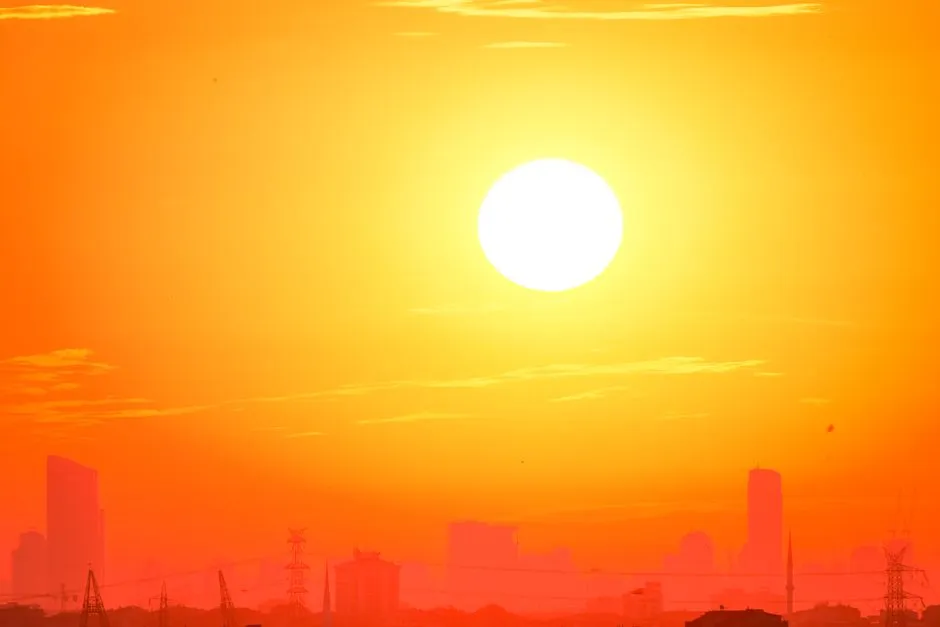
Heat domes put the brakes on convection and suppress clouds and precipitation. This allows sunlight to reach Earth’s surface relatively unhindered and further elevate air temperatures. Clear skies are not a comfort here. They are part of what makes the phenomenon so dangerous.
When a heat dome sits over a large land area, it can form a sort of feedback loop, since high pressure typically means dry weather, which can help drive the heat even higher. Dry soil radiates heat back into the air more efficiently than moist soil, and this amplifies surface temperatures further.
The resulting heat dome can persist for days or even weeks. The longer a heat dome lingers, the more heat will build up, creating sweltering conditions for the people on the ground.
The Jet Stream Connection

Temperature increases associated with human-induced climate change do not manifest as small, consistent increases everywhere on the planet. Rather, they result in more frequent and severe episodes of heat waves, as the world saw in 2024. The most severe and persistent heat waves are often associated with an atmospheric pattern called a heat dome.
Since the jet stream circles around the globe, stagnating waves could occur in multiple places, leading to simultaneous heat waves at the mid-latitudes around the world. That happened in 2024, with long-lasting heat waves in Europe and North America. When the jet stream becomes wavy and slow-moving, high-pressure systems get locked in place rather than tracking across the continent.
A good example is the intense central and eastern U.S. heat wave of late June 2025. The most eye-popping records were set by incredibly sultry nights over the Midwest, some staying above 80°F, followed by blazing-hot days topping 100°F across large parts of the Northeast and New England as the hottest air pushed east.
The Summer of 2024: A Record That Rewrote the Books
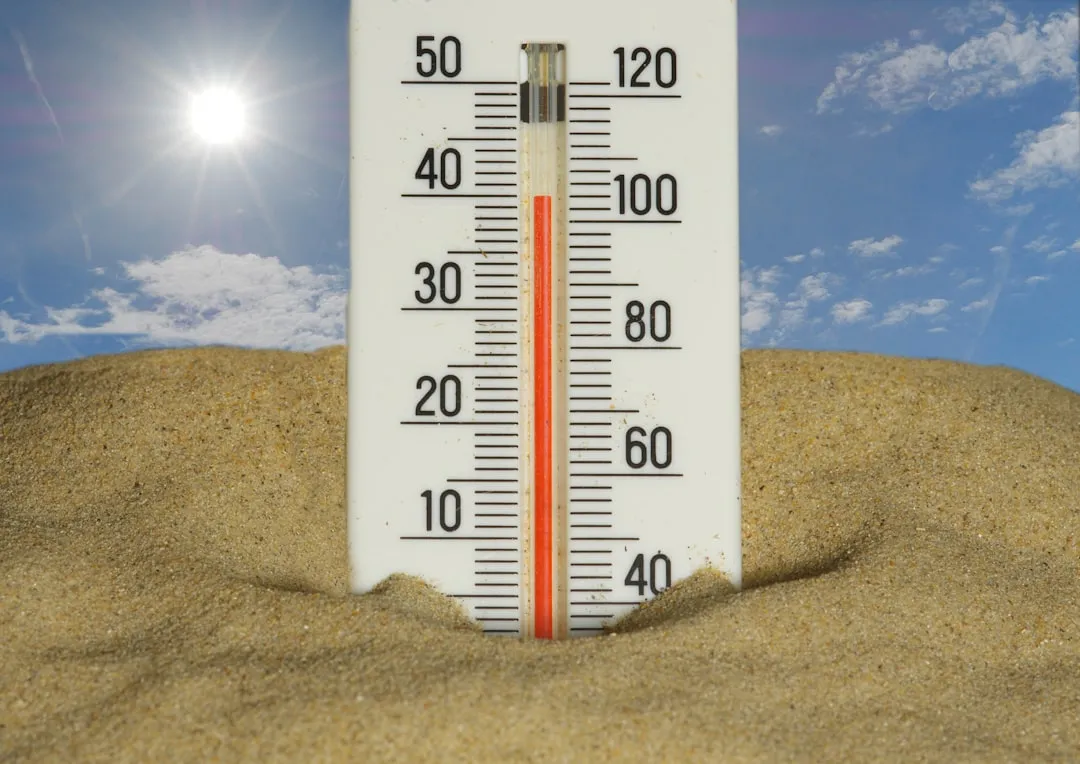
The summer of 2024 was the hottest on record since countries began documenting their temperatures in the 1800s. It unseated 2023, the previous record holder for dangerously high temperatures. That two consecutive years broke the same record illustrates just how rapidly the baseline is shifting.
The 2024 Olympic Games started in the midst of a long-running heat wave in Europe that included the three hottest days on record globally, July 21 through 23. August was Earth’s hottest month in NOAA’s 175-year record. Overall, the global average temperature was 2.74 degrees Fahrenheit above the 20th-century average.
In May 2024, a heat dome formed over the Southern Gulf of Mexico and over Mexico, which led to record high temperatures being recorded in 10 cities in Mexico. That event began with a heat dome that baked Mexico for most of May and shattered heat records there. By early June, the sweltering temperatures had expanded northward into the U.S. at the same time as a low-pressure blocking system set up in the Pacific Ocean.
Phoenix, Maricopa, and the Southwest Under Siege
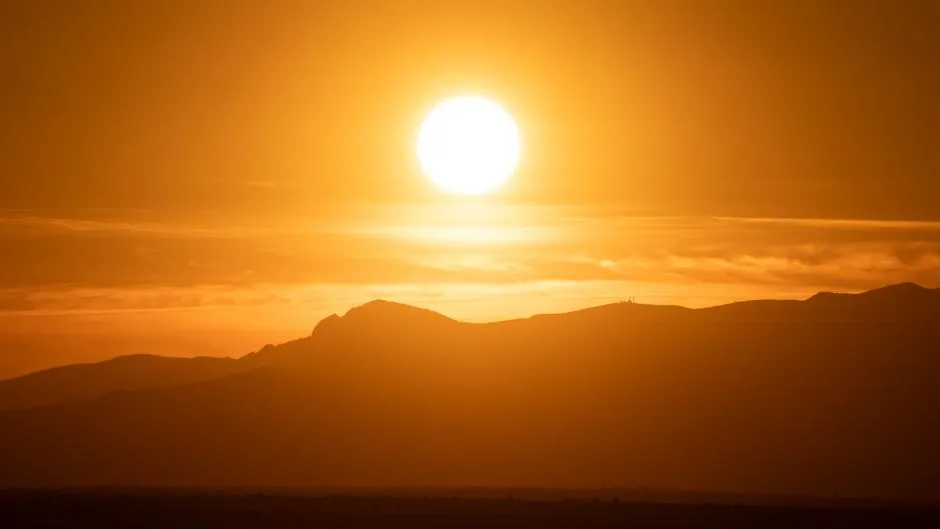
For the second year in a row, there were more than 600 heat-related deaths in Arizona’s Maricopa County in 2024, and Phoenix saw a record 113 consecutive days of temperatures at or above 100 degrees. That streak is difficult to fully absorb. Over three months of triple-digit heat in a single city.
The peak temperature of 53.9°C (129.0°F) was recorded at Furnace Creek, Death Valley, California on July 7, 2024. Cities such as Phoenix and Las Vegas endured high temperatures above 100 degrees Fahrenheit for weeks on end.
Phoenix set a new record for the longest streak of consecutive days with temperatures at or above 100 degrees, blowing away the previous record of 76 days, which was set in 1993. Records like that one do not fall by coincidence. They reflect a long-term structural shift in regional climate.
The Human Toll: Deaths and Public Health

Extreme heat is the deadliest form of extreme weather and, in most years, kills more Americans than floods, tornadoes, and hurricanes combined. More than 21,000 deaths in the United States from 1999 to 2023 were recorded as being related to heat, with mortality rates starting to increase the most from 2016 onward.
Between 1999 and 2023, the number of heat-related deaths in the U.S. increased by 117%. In New York City alone, an estimated 580 people, on average, die prematurely each summer due to hot weather. The city’s 2024 Heat-Related Mortality Report noted that heat-exacerbated deaths have increased over the past decade because of summers that are hotter overall.
Extreme heat can exacerbate chronic health conditions such as heart disease, respiratory conditions, and mental health conditions. Vulnerable populations are at increased risk, particularly those who are elderly or very young, as well as the unhoused population.
How the Body Fails in Extreme Heat

When our bodies get hot, we cool down by sweating. The sweating does not directly cool our bodies; it is the evaporation of the sweat that cools us. If the air has high humidity, the rate of evaporation is reduced, hampering the body’s ability to maintain a constant internal body temperature. This is why humid heat, even at lower temperatures, can be more dangerous than dry heat.
Extreme heat elevates the rate of death from illnesses like heart attack, heat stroke, organ failure, and more. These are not slow, abstract risks. During a heat dome, they can unfold within hours for someone without air conditioning or access to shade.
Heat domes prevent clouds from forming, allowing more radiation from the sun to hit the ground. The very high temperatures or humid conditions pose an elevated risk of heatstroke or heat exhaustion. Night-time temperatures that never drop below 80°F give the body no chance to recover before the next day’s heat arrives.
Heat Domes and Wildfires: A Dangerous Pairing
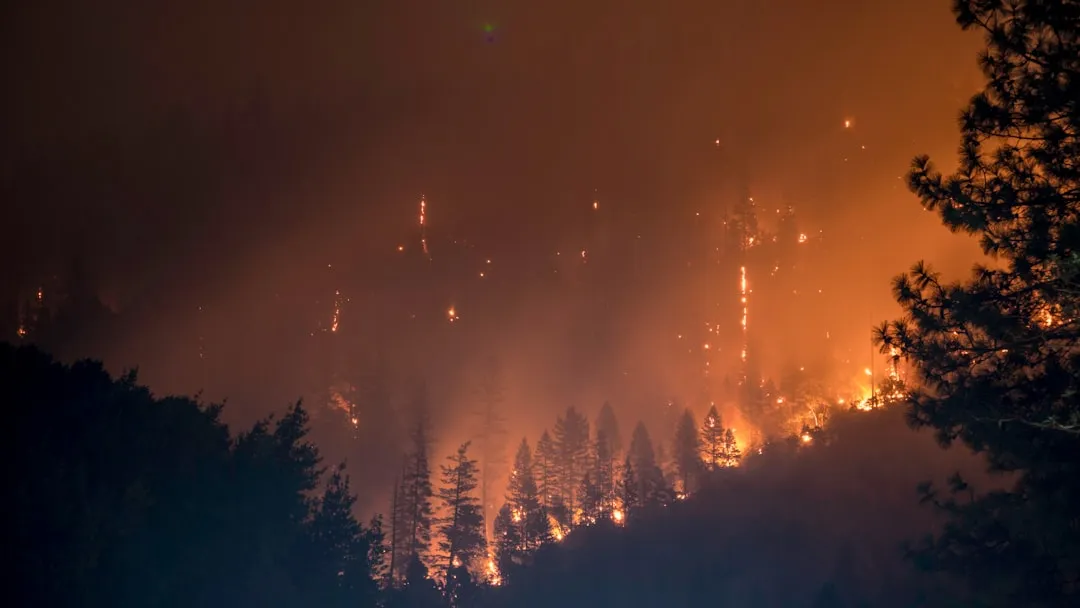
Heat domes act as fuel to wildfires, which destroy large areas of land every year in countries like the U.S. The chain from heat dome to wildfire is direct: extreme temperatures dry out vegetation rapidly, and suppressed cloud cover means no rain arrives to interrupt the cycle.
Fires burning in boreal forests created hazy skies across North America in summer 2025. Wildfire smoke does not just reduce visibility. It introduces fine particulate matter into the air that further stresses respiratory and cardiovascular systems already burdened by the heat itself.
Persistently high temperatures combined with seasonally lighter rainfall led to increased risks of future water shortages, as well as power blackouts partly due to lowered water levels leading to decreased energy production from hydroelectric dams. The knock-on effects of a single heat event can ripple through infrastructure for months.
The Trend Line: Heatwaves Are Getting More Frequent

Heat waves are lasting longer and peaking at higher temperatures than in the past due to climate change. The average number of heat waves the U.S. experiences today has doubled since the 1980s, and the length of the dangerous heat wave season has increased from about 40 days to roughly 70. That is not a subtle shift. It represents a fundamentally different summer experience for most Americans.
Record highs occur twice as often as record lows across the continental United States, while the average rate of heat waves in the United States has tripled since the 1960s. The start of summer 2025 brought a massive heat dome over the United States, subjecting more than 255 million Americans to what meteorologists called “dangerous, life-threatening” conditions of triple-digit temperatures and high humidity.
Globally, nearly half of the world’s population experienced at least 30 extra days of extreme heat between May 2024 and May 2025, a result of human-driven climate change, according to a report from scientists at Climate Central, the Red Cross Red Crescent Climate Centre, and World Weather Attribution. The heat dome, in other words, is no longer a dramatic exception. It is becoming a defining feature of the modern summer.
What Comes Next

Climate change is likely causing these events to occur more often and heat to become more extreme. Models project that by 2099, heat wave temperatures will increase by 3.4 to 6.6 degrees Celsius, with longer duration. Even under optimistic scenarios, the trajectory points toward more intense and more frequent heat domes in the decades ahead.
Extreme heat has shattered records in many parts of the U.S. in recent years, and scientists warn that we’re likely to see even more dangerous temperatures in the future, a trend linked to human-caused climate change. Warm seasons have lengthened, become more frequent, and increased in intensity due to climate change, and 2025 is slated to be one of the five warmest years on record, with experts predicting more extreme heat records over the next five years.
The increase in temperature-related deaths is likely not due to climate warming alone but also reflects demographic changes, such as population growth and aging, that have elevated human vulnerability to environmental stressors. Managing the heat dome era will require both reducing emissions and building communities resilient enough to survive what’s already locked in.
The heat dome is not a new phenomenon, but the conditions that sustain and intensify it are changing fast. Understanding the mechanics behind it is the first step. Recognizing its growing frequency and reach is the second. What societies choose to do with that knowledge will determine how many more record-shattering summers lie ahead.
AI Disclaimer: This article was created with the assistance of AI tools and reviewed by a human editor.