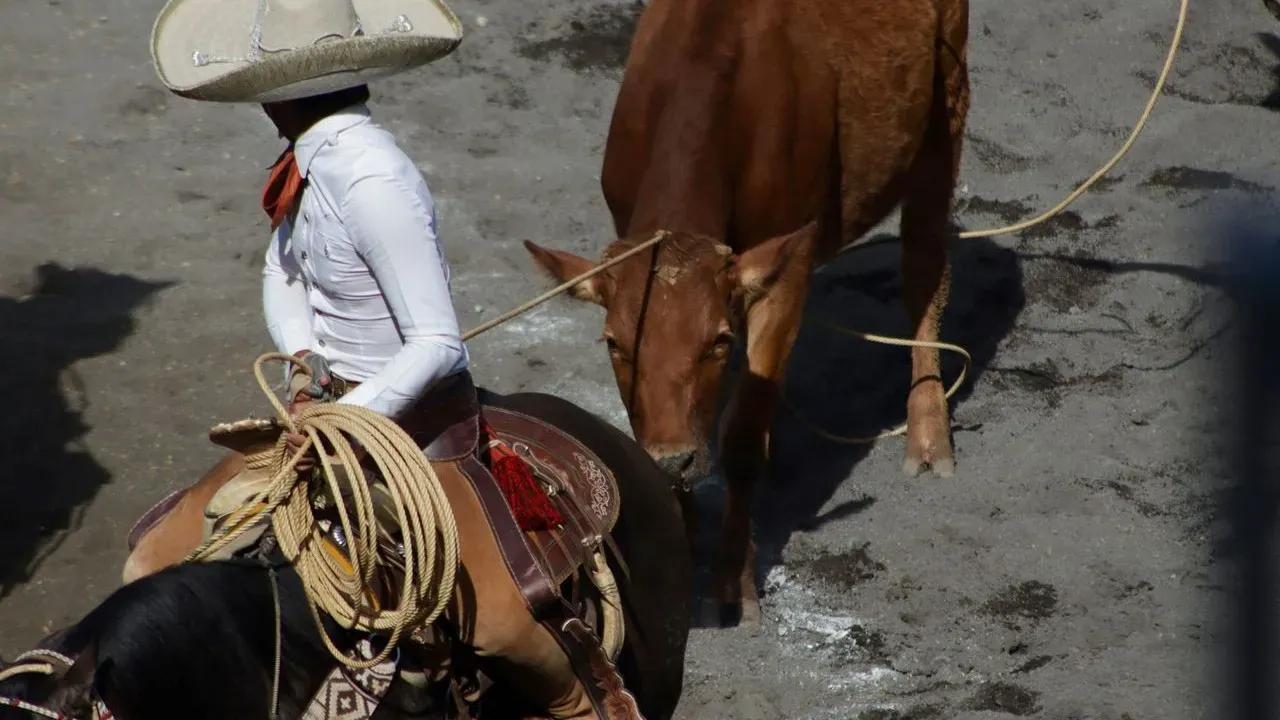

The U.S. Department of Agriculture has decided to lift restrictions on cattle imports from Mexico, a step intended to increase domestic beef supplies at a time when prices at the meat counter remain stubbornly high. The change reverses limits originally imposed to prevent the spread of a livestock parasite and reflects the Trump administration’s focus on grocery costs that affect millions of households. Shoppers have felt the pinch in recent years, with beef often cited as one of the more expensive staples in the weekly cart.
Why Officials Are Changing Course
The original restrictions were put in place to protect U.S. herds from a serious parasite threat. Over time, however, the reduced flow of cattle from Mexico contributed to tighter supplies and higher prices for American consumers. Administration officials concluded that the balance had shifted and that reopening the border to these imports could help stabilize the market without compromising core safeguards.
The decision was framed as a practical response to ongoing inflation pressures rather than a broad trade overhaul. By allowing more cattle to enter the country, policymakers expect processors to have greater access to animals for slaughter, which in turn could ease upward pressure on retail prices. The move aligns with broader efforts to address food costs that have remained a top concern for families.
What the Change Means for Beef Supplies
With the restrictions lifted, Mexican cattle are expected to begin crossing the border again in greater numbers once the policy takes effect. This added volume should help replenish feedlots and processing plants that have operated with thinner inventories. Industry observers note that even modest increases in supply can influence pricing when demand stays steady.
The timeline for full implementation will depend on coordination between federal agencies and border operations. Once underway, the additional animals should reach U.S. markets within the normal production cycle, offering a gradual rather than immediate effect on store shelves. Officials have emphasized that health and safety standards will continue to apply to all incoming livestock.
Who Stands to Benefit
Everyday consumers are the primary group targeted by the policy adjustment. Families who buy ground beef, steaks, and roasts on a regular basis could see modest relief if the increased supply translates into lower or more stable prices. The change also matters for restaurants and food-service operators that rely on consistent beef availability.
Ranchers and feedlot operators on both sides of the border will adjust to the new flow of animals. U.S. producers may face more competition, while Mexican exporters gain renewed access to a major market. Processors stand to gain from steadier throughput at their facilities.
Next Steps and What to Watch
Implementation details will determine how quickly the policy affects actual prices. Key developments to monitor include the pace of border clearances, any adjustments to inspection protocols, and early reports from major packing plants on incoming volumes.
- Updated import volumes reported by USDA
- Retail price trends tracked by government data agencies
- Statements from major beef processors on supply conditions
- Feedback from grocery chains on wholesale costs
The administration has presented the step as one part of a wider effort to bring grocery inflation under control. Whether the resumption of Mexican cattle imports delivers noticeable savings will depend on how the market responds in the months ahead. For households managing tight budgets, even small shifts at the meat counter can add up over time.
AI Disclaimer: This article was created with the assistance of AI tools and reviewed by a human editor.