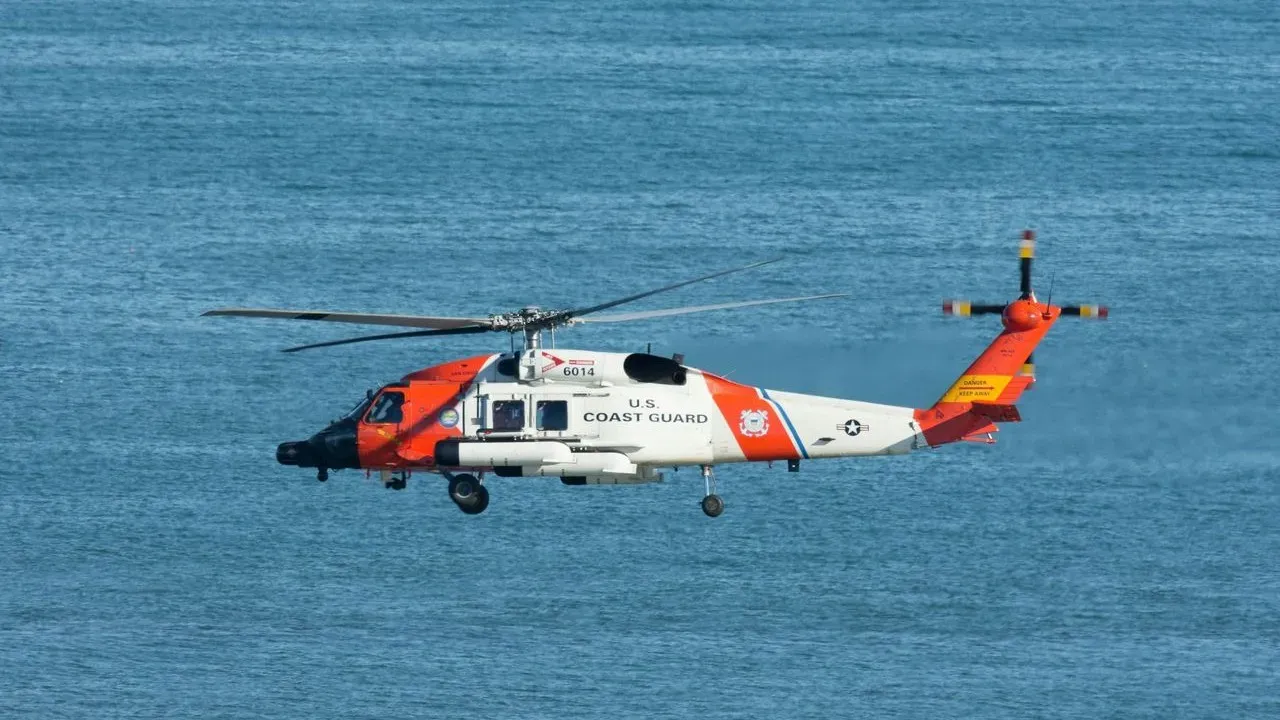

Fire Island, N.Y. – Two juvenile humpback whales that became stranded on sandbars off the New York coast were able to return to open water on Thursday, aided in part by rising tides and a coordinated response from the U.S. Coast Guard and partner agencies. The incident unfolded near Fire Island National Seashore, where crews worked through the morning to monitor the animals and keep them safe until they could swim free. The event highlights the ongoing presence of humpback whales in the waters around Long Island and the role of rapid multi-agency coordination when marine mammals encounter shallow areas close to shore.
Coast Guard Arrives on Scene
Coast Guard personnel responded to a report of a stranded whale in shallow waters around 8:30 a.m. Their immediate priority was confirming whether the animal was still alive. Firefighter Logan Pina noted that the team watched the whale blow from its blowhole, which confirmed it was breathing. Crews remained on site for several hours, monitoring conditions as the tide began to rise. The response also included observations of additional whales in the area, underscoring the need for careful vessel management near the sandbars.
Protecting the Animals Until the Tide Turned
While the whale remained stuck, responders took steps to reduce stress and prevent injury. They sprayed water over the animal to keep it hydrated and shield it from sunburn. Boat crews positioned themselves to block nearby vessel traffic and maintain a safe perimeter. Chief Paul Segura described the relief felt by the team once the whale began moving toward deeper water. The efforts continued until the animal was able to free itself after several hours on the sandbar.
Second Whale and Broader Response
During the operation, responders spotted three whales in the vicinity. A second juvenile humpback had also been on a sandbar but managed to free itself earlier without extended assistance. Rob DiGiovanni of the Atlantic Marine Conservation Society confirmed that crews monitored both animals while noting the presence of others nearby. The full response drew on expertise from several organizations working together under the Coast Guard’s environmental protection mission.
- Atlantic Marine Conservation Society
- Suffolk Marine Patrol
- NOAA Fisheries
- New York State Department of Environmental Conservation
Why These Incidents Matter
Strandings of this kind occur when young whales enter shallow coastal zones and become temporarily trapped by changing tides or sand formations. Quick detection and interagency support help limit harm while the animals wait for natural conditions to improve. Thursday’s outcome shows how such responses can end successfully when tides cooperate and teams act promptly to protect the whales from additional stress. The episode also reinforces the importance of public reporting when marine mammals are seen in distress near populated shorelines.
AI Disclaimer: This article was created with the assistance of AI tools and reviewed by a human editor.