
Late summer is such a vibrant time in the garden, but it’s also when some tempting new arrivals in garden centers can spell trouble down the road! I know how disheartening it is to battle a plant that spreads like wildfire, overtaking your carefully tended borders. As an avid gardener, I’ve learned the hard way that not every beautiful shrub or vine belongs in our yards—especially when planted in August, just before cooler weather slows growth.
In this guide, I’m excited to walk you through a dozen non-native troublemakers you’ll want to leave on the nursery bench this month. We’ll dive into where each originates, how it behaves invasively, and the unexpected wildlife interactions—good and bad—you might see if you let these run amok. Let’s protect our gardens (and local ecosystems!) by choosing wisely.
Himalayan Balsam (Impatiens glandulifera)

This exotic annual, native to the Himalayas, bursts into bloom with pink or white orchid-like flowers that lure pollinators in droves! Unfortunately, its explosive seed pods launch up to a dozen seeds several meters away, leading to dense stands along waterways by late summer. It thrives in moist soils, so planting it in your border can inadvertently send seedlings downstream into vulnerable riparian habitats.
I know how tempting those lush blossoms look when you’re craving late-season color, but once balsam seedlings germinate, they shade out native wildflowers and grasses. While bees and hoverflies flock to the nectar-rich blooms—and you’ll delight in watching them!—those very pollinators help spread pollen among endless balsam plants, reinforcing its dominance. Better stick with native jewelweed or impatiens that won’t escape into the wild.
English Ivy (Hedera helix)

One of my first gardening mistakes was letting English ivy drape over my fence—it seemed so charming at first! This ivy, native to Europe and western Asia, quickly clambers up walls and trees, strangling trunks and blocking light. In mild climates, it stays evergreen year-round, giving it a leg up on native species that go dormant in winter.
Its dense mats also prevent understory regeneration, making it a nightmare for forest ecosystems. While juvenile leaves attract spiders and small ants that may nest beneath the tangle, that wildlife presence only helps spread fragments when vines break off. Come August, when ivy growth surges, it’s best to resist the lure and choose a native groundcover like wild ginger instead.
Bradford Pear (Pyrus calleryana ‘Bradford’)
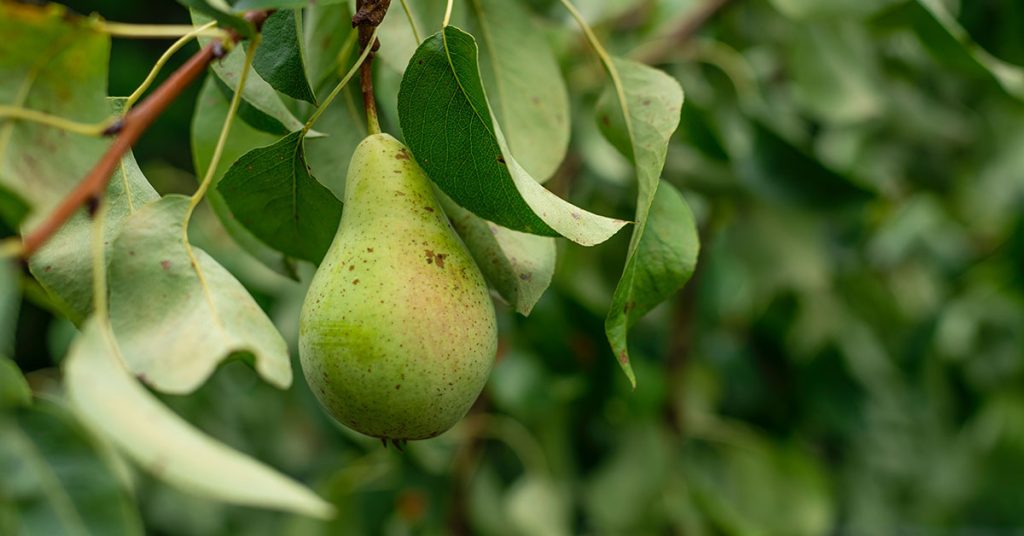
Bradford pears burst into frothy white blossoms in spring, but their charm quickly fades when you see seedlings popping up along roadsides. Native to China and Vietnam, this cultivar was bred for uniformity, not ecological harmony. By August, its small green fruits are ripening—ripe for birds to snack on and disperse indiscriminately.
I can’t tell you how frustrating it is to spend hours pulling pepper-sized seedlings from your mulch! These grafted trees suck up moisture and nutrients aggressively, often outcompeting native oaks and maples. The thorny suckers that emerge below the graft union provide nesting cover for invasive rodents, too. Stick with native serviceberries or cherries for wildlife-friendly fruit without the runaway spread.
Purple Loosestrife (Lythrum salicaria)

With its tall spikes of magenta flowers, purple loosestrife can look like a showstopper in late summer bouquets. Yet this wetland invader, native to Europe and Asia, outcompetes native marsh plants—creating near-monocultures that choke waterways. Planting it in August gives it enough time to establish deep roots before frost, setting the stage for rampant spread next season.
While its nectar draws butterflies, bees, and hummingbird moths—you’ll be cheering them on!—those same pollinators visit each loosestrife plant, ensuring abundant seed production. Tiny seeds then wash downstream, germinating on mud banks and ditches. Instead, consider native joe-pye weed or swamp milkweed, which attract pollinators without the ecological backlash.
Tree of Heaven (Ailanthus altissima)
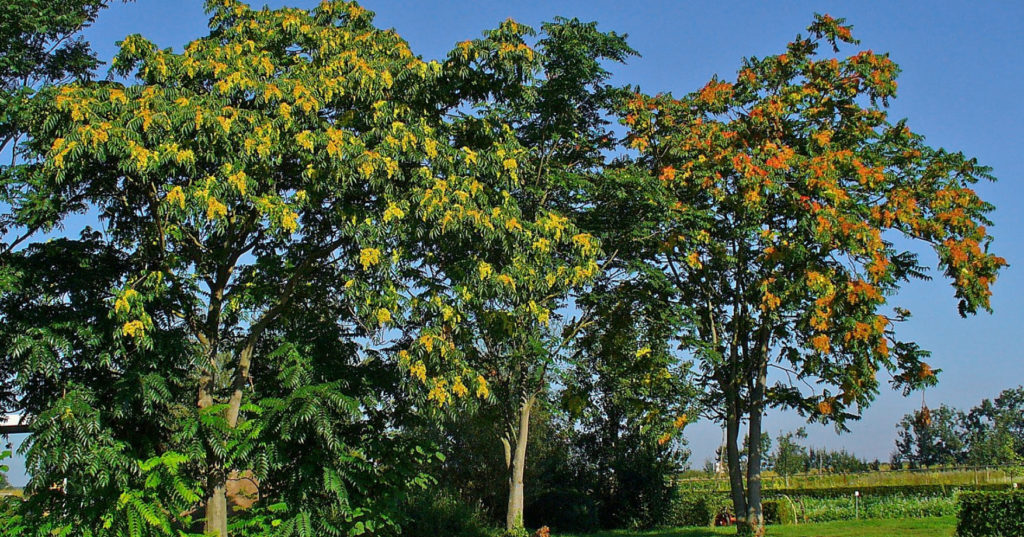
I’ll never forget the first time I saw a samara (winged seed) whirling down into my yard—Tree of Heaven is native to China and Taiwan and totally ready to colonize any crack in pavement or garden bed. Its rapid growth and prolific seeding make it one of the world’s worst weeds. By planting it in August, you’d be giving it a head start before cooler weather slows its spread.
These trees also exude allelopathic chemicals that suppress neighboring plants, turning your mixed borders into lonely Ailanthus groves. While solitary bees might nest in hollows of older trunks, that’s small consolation when you’re clearing dozens of saplings from your mulch each season. Instead, choose native hackberry or ironwood for fast growth without the runaway potential.
Mile-a-Minute Vine (Persicaria perfoliata)
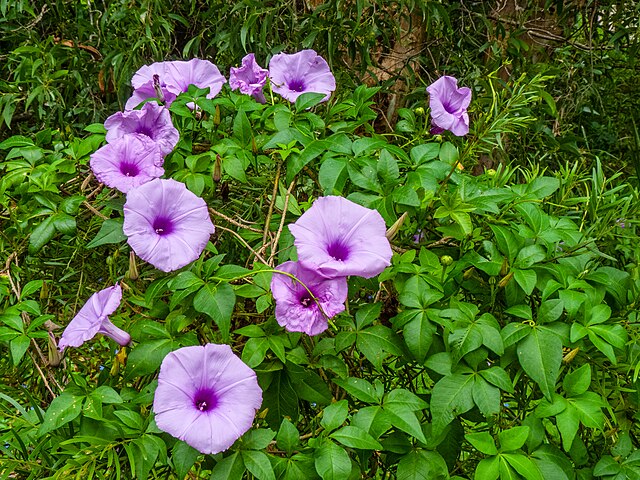
This menacing vine, native to East Asia, lives up to its name by growing several inches per day in warm weather! Its triangular, perforated leaves and barbed stems let it smother groundcovers, shrubs, and young trees by August, when it’s at peak vigor. Seed pods burst on contact, flinging seeds into every corner of your garden.
It might attract some pollinators to its inconspicuous flowers, but that benefit is far outweighed by its choking habit. Ground-nesting bees can even get tangled in the thorny tendrils while foraging—another unintended consequence. I’ve found that native vines like trumpet honeysuckle offer similar structure for wildlife without the escape artist tendencies.
Japanese Knotweed (Fallopia japonica)

You’ve likely seen bamboo-like stands of knotweed towering six to ten feet, native to East Asia. By August, thick canes harbor deep rhizomes that resist removal—cut one stalk and you’ll often get ten next spring. Its rapid growth shades out everything else, leading to near-monocultures along stream banks and vacant lots.
Though its creamy white flower panicles attract bees, those blossoms often distract from its wider ecological harm. Tiny shoots of knotweed can root from small fragments, so even compost containing bits of rhizome can spread it unintentionally. A wise gardener skips knotweed and chooses native elder or spicebush for streamside planting instead.
Autumn Olive (Elaeagnus umbellata)

Autumn olive’s silvery foliage and fragrant white flowers seem innocent—and its red berries pack lycopene and vitamin C—but this shrub, native to Asia, invades roadsides and open woodlands. By late August, its abundant fruit ripens, tempting birds and mammals to spread seeds far beyond your hedge.
Seedlings appear in every bare patch, and soon these thickets outcompete natives for sunlight and soil. While field mice may nest in the dense cover, that’s hardly a benefit when those same thickets exclude native wildflowers. Save your effort for planting native hazelnut or serviceberry, which offer similar edible fruits without the invasive habits.
Scotch Broom (Cytisus scoparius)
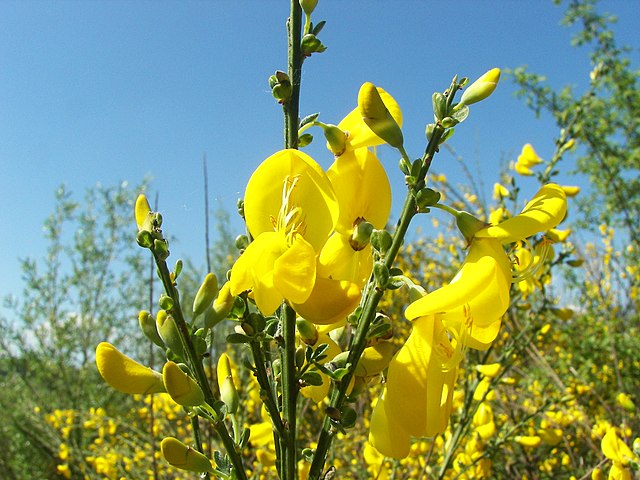
Scotch broom, a shrub native to Western Europe, sports bright yellow flowers all spring but still spreads aggressively by seed. Its hard, pea-like pods burst in August, projecting seeds several meters and ensuring dozens of seedlings sprout the next season. These dense thickets choke out native grasses and wildflowers on hillsides and disturbed areas.
While bees delight in its nectar early in the season, they also help produce those thousands of seeds in each pod! The plant’s deep taproot and nitrogen-fixing habit alter soil chemistry, making it tough for natives to reestablish. I recommend planting native lupines or prairie clovers instead for that golden spring display without the takeover risk.
Japanese Honeysuckle (Lonicera japonica)

The sweet scent of honeysuckle at dusk can be irresistible, but Japanese honeysuckle—native to East Asia—quickly envelopes shrubs and trees with twisting vines. By August, vigorous stems can climb high into the canopy, forming a living blanket that kills host plants by shading and weight.
Hummingbirds and bees love its tubular flowers, but that pollination only fuels more seed production in dangling red berries later on. Ground-nesting insects may find shelter beneath the vine’s mat, but that shady refuge also harbors pest slugs and snails. Native trumpet honeysuckle offers similar wildlife benefits without the aggressive climbing habit.
Chinese Privet (Ligustrum sinense)

Chinese privet’s glossy leaves and fragrant spring blooms mask its invasive nature. Native to China and Vietnam, this shrub produces black berries by late summer that birds feast on and scatter far and wide. In your garden, stems root easily where they touch soil, forming impenetrable thickets if you plant in August and let them settle in.
Those dense stands can prevent light from reaching native understory plants, diminishing biodiversity. Small bees may nest in hollows where stems have rubbed together, but that’s scant recompense for the loss of native wildflowers. Native spicebush or Oregon grape holly make excellent hedges without the runaway tendencies of privet.
Kudzu (Pueraria montana var. lobata)
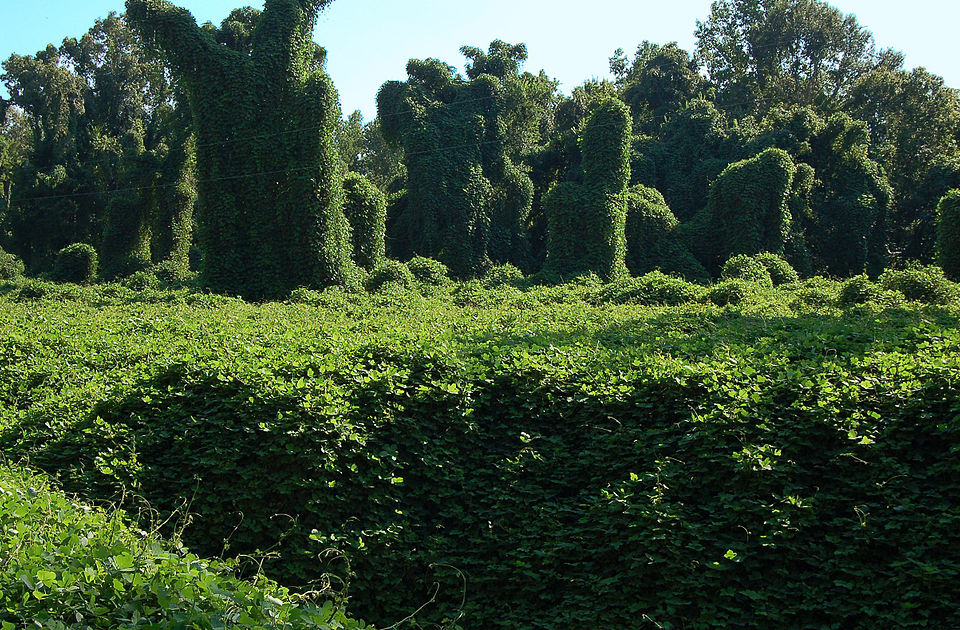
Often called “the vine that ate the South,” kudzu’s thick, lobed leaves blanket everything in their path. Native to Japan and China, kudzu grows up to a foot a day in summer warmth—plant it in August and within weeks you’ll be pulling it off your trellis! It smothers trees, shrubs, and even buildings under its dense green carpet.
Yes, bees and butterflies nectar on its purple blossoms, but the long-term damage overwhelms any pollinator perk. Its deep root nodules fix nitrogen, enriching soil in a way that favors kudzu over natives once established. Trust me, you don’t want to fight kudzu—opt for native morning glory or clematis if you crave a vigorous flowering vine without the ecological nightmare.