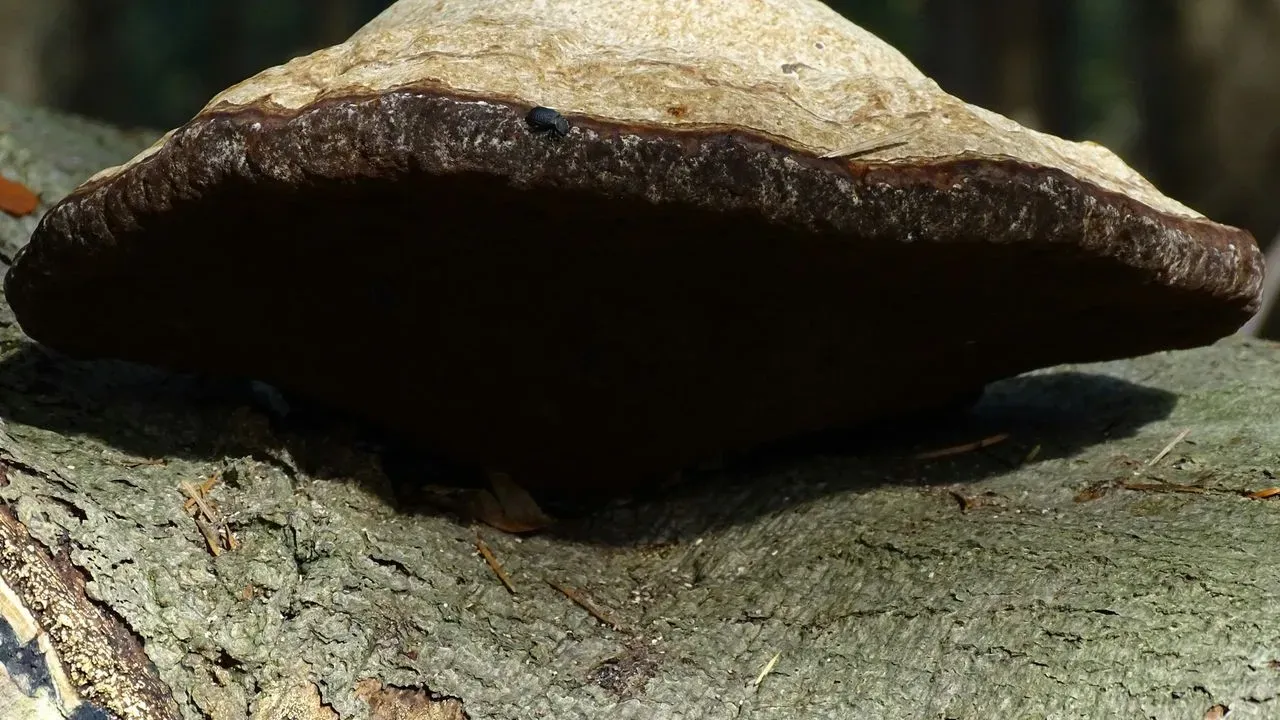

Gardeners seeking low-effort ways to expand their harvests are rediscovering an approach that relies on little more than cut wood and patience. Log cultivation allows many wood-loving mushroom species to thrive outdoors, turning what might otherwise be yard waste into a recurring source of fresh fungi. The method draws on centuries-old practices while fitting easily into contemporary backyard settings focused on sustainability and minimal inputs. ([1])
Why Logs Fit Modern Gardening Priorities
Many home growers already manage trees or have access to fallen wood, making logs a readily available resource rather than an added expense. The process supports local ecosystems by using material that would otherwise decompose without yielding food. It also reduces reliance on purchased produce or indoor growing kits that require more equipment and energy. Because the fungi break down wood naturally, the approach aligns with regenerative practices that emphasize working with existing site conditions instead of importing new systems.
Timing Cuts for Stronger Results
Success begins with selecting when to harvest the logs themselves. Late winter through early spring often proves ideal because rising sap provides sugars that give the mushroom mycelium an early advantage. In milder regions, growers extend the window into early fall while avoiding the period of rapid tree growth when bark loosens too quickly. Local observation matters: in warmer zones, year-round inoculation remains possible, whereas colder areas call for a winter pause to protect the developing fungi. Paying attention to these seasonal rhythms helps the mycelium establish before competing organisms arrive.
Selecting Trees with Forest Health in Mind
Healthy, disease-free trees form the foundation of reliable production. Straight trunks may suit lumber, yet mushrooms grow equally well on crooked or gnarled wood, allowing gardeners to remove less desirable trees without harming overall forest structure. This selective approach preserves genetic diversity and maintains habitat value for wildlife. Once cut, logs should stay elevated on pallets or similar supports until inoculation to limit exposure to wild fungal spores already present in leaf litter.
Simple Inoculation Steps That Work Outdoors
After a resting period of at least two weeks, logs receive the chosen mushroom spawn through drilled holes. Plug or sawdust spawn works well, followed immediately by a wax seal to protect the openings. An assembly-line approach with a few helpers keeps the process efficient even when handling dozens of logs. The key is speed between drilling, filling, and sealing so that contaminants have little chance to settle. Common species such as shiitake respond reliably to this method, and many others can be tried once the basic technique is mastered.
Incubation, Placement, and Ongoing Care
Following inoculation, logs rest in a shaded, moist spot for two to three months while the mycelium spreads through the wood. Rainfall often supplies needed moisture, though supplemental soaking every couple of weeks helps in drier conditions. Once established, the logs move to their permanent location, chosen to match the natural preferences of the mushroom species. Maitake, for example, favors open forest areas, while other varieties may prefer slopes or specific light levels. With proper siting, productive logs can yield harvests for several years with only occasional attention.
This method rewards observation over intervention. Gardeners who track local weather patterns and tree cycles often find the process integrates smoothly into existing routines. Over time, the same logs that once supported living trees become steady contributors to the kitchen, demonstrating how simple materials and ecological awareness can expand what a garden produces.
AI Disclaimer: This article was created with the assistance of AI tools and reviewed by a human editor.