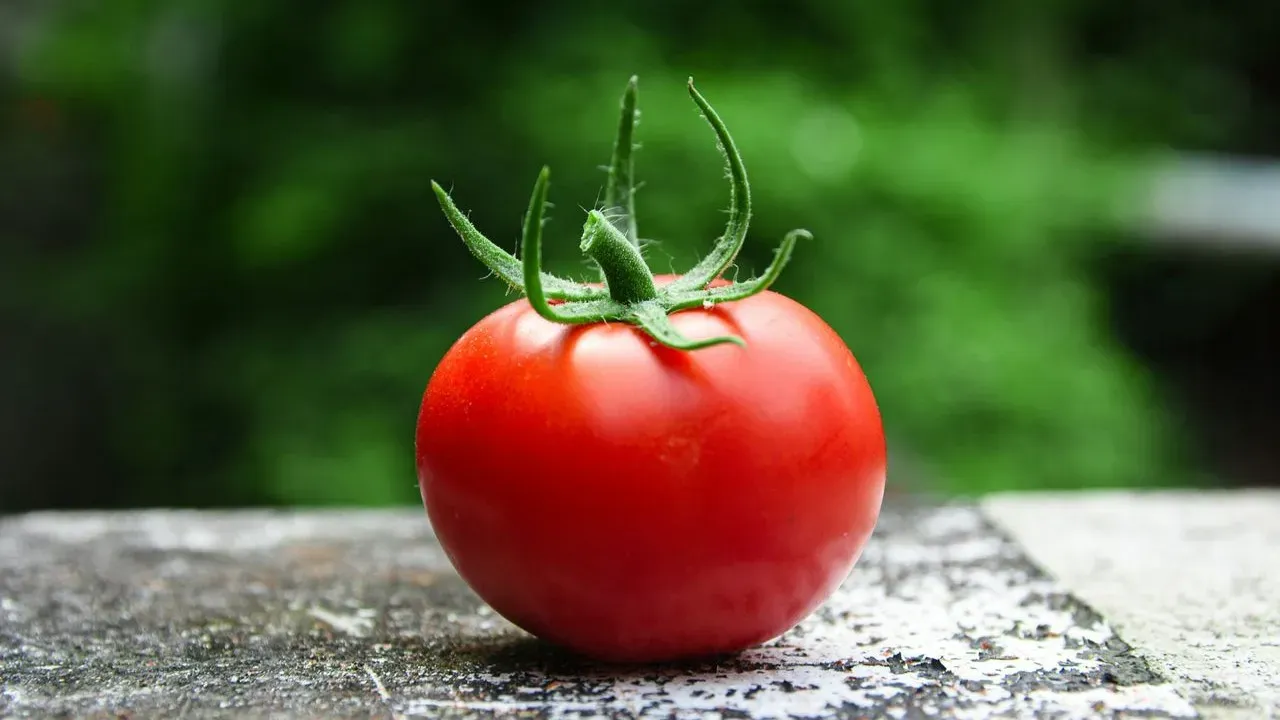

Home gardeners across many regions face a familiar late-summer situation: vines heavy with ripe fruit that ripen faster than meals can accommodate. The result is often a surplus that risks going to waste if not handled promptly. One straightforward preservation step involves roasting, which concentrates flavor and creates a versatile base for later use. ([1])
The Practical Stakes of a Tomato Surplus
A large harvest creates immediate decisions about storage and preparation. Leaving tomatoes on the counter leads to quick spoilage, while simple refrigeration can dull taste. Gardeners who act during peak season can convert the excess into a cooked product that holds well in the refrigerator or freezer for weeks or months.
The timing matters because cooler weather approaches and outdoor growing slows. Those who manage the crop now avoid later shortages of tomato-based ingredients. The approach also reduces kitchen waste at a moment when many households seek practical ways to stretch what they have grown.
Two Distinct Roasting Methods
Roasting offers flexibility depending on available time and desired flavor profile. A slower process builds deeper sweetness through extended exposure to moderate heat and generous fat. A quicker version delivers bold seasoning in less time while still transforming the fruit into a usable form.
The slower method calls for plenty of olive oil along with herbs to keep the tomatoes moist and aromatic throughout cooking. The faster alternative uses smaller amounts of cumin and paprika for a different spice note. Both techniques turn raw tomatoes into a concentrated product that stores easily and adds depth to future dishes.
Comparison of Roasting Approaches
| Method | Key Ingredients | Time Profile | Flavor Outcome |
|---|---|---|---|
| Slow roast | Olive oil, herbs | Extended oven time | Sweet, mellow, herb-forward |
| Quick roast | Cumin, paprika | Shorter oven time | Spiced, concentrated |
Putting Roasted Tomatoes to Work
Once prepared, the roasted tomatoes serve as a ready component for sauces, soups, and spreads. They can be blended into pasta dishes or layered into casseroles without additional cooking steps. Freezing portions in small containers allows gardeners to draw on the harvest well into the cooler months.
This step also supports broader meal planning. Households gain a reliable pantry item that reduces reliance on store-bought alternatives during periods of lower garden output. The process requires minimal equipment beyond a standard oven and basic storage containers.
Looking Ahead to Next Season
Successful handling of this year’s surplus provides a repeatable model for future harvests. Gardeners who document what worked can refine quantities and timing in the following cycle. The result is less stress at peak season and more consistent use of home-grown produce throughout the year.
AI Disclaimer: This article was created with the assistance of AI tools and reviewed by a human editor.