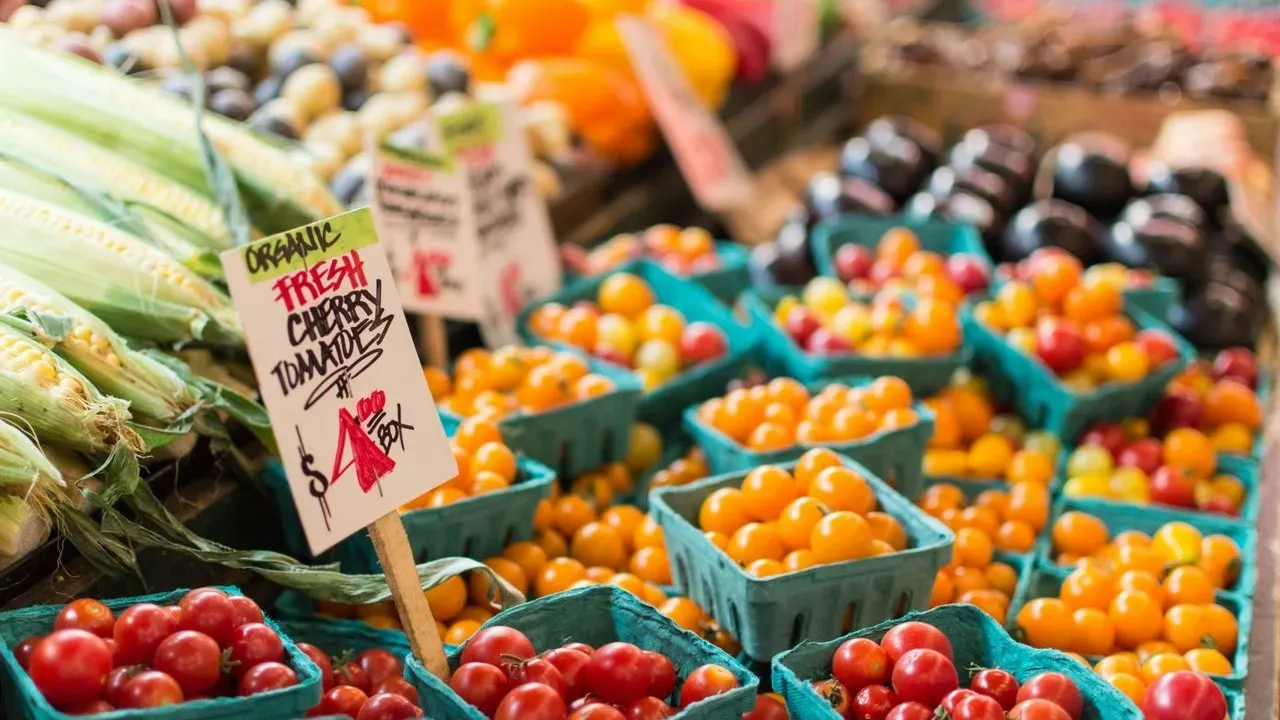

Gardeners across many regions often face the same satisfying yet practical challenge each August and September: an abundance of ripe produce that arrives faster than it can be eaten fresh. Squash vines keep producing, corn stalks yield multiple ears, peach trees drop fruit daily, carrot rows need thinning, and jars of pickled vegetables accumulate from earlier harvests. Rather than letting any of it go to waste, a handful of straightforward preparations can turn that single standout ingredient into complete dishes that highlight its natural flavor while drawing on pantry staples.
Letting Summer Squash Become the Star
Yellow summer squash frequently arrives in large quantities from even a modest planting. Grating the squash and cooking it slowly with onion over low heat for nearly an hour transforms the vegetable into a soft, jammy base that concentrates its sweetness. A few additions of miso, honey, and red-pepper flakes deepen the flavor without overpowering the squash itself.
Once the mixture reaches the right consistency, it coats short pasta such as rigatoni or shells when loosened with reserved pasta water. Toppings remain flexible: any form of chèvre or goat cheese works, and day-old cornbread can be turned into crisp crumbs in a skillet. The result is a dish that feels substantial yet still lets the garden squash take center stage.
Concentrating Peach Flavor into a Versatile Syrup
Ripe peaches from the garden or a recent harvest lend themselves to more than eating out of hand. Simmering chopped peaches with water, honey, and whole black peppercorns for about twenty minutes creates a fragrant syrup that captures the fruit at its peak. The pepper adds a subtle edge that balances the honey’s sweetness.
After straining, the syrup keeps in the refrigerator for up to a week. It can be stirred into iced tea or sparkling water, shaken into cocktails, or spooned over yogurt and ice cream. The same method works equally well with other soft fruit when peaches are no longer available, giving gardeners a reliable way to preserve flavor in small batches.
Putting Pickled Vegetables to Work in Savory Rolls
Many gardeners end the season with jars of giardiniera or other spicy pickles. Prepared pizza dough, available at some markets or easily purchased, provides a simple vehicle for these briny ingredients. Rolling the dough, spreading a mixture of cream cheese, Parmesan, herbs, and drained giardiniera, then slicing and baking the spirals produces warm, shareable rolls in under half an hour of active time.
The filling can be adjusted to whatever pickled item is on hand, with herbs changed accordingly. The technique turns a common garden surplus into a breakfast or snack item that travels well and reheats nicely, reducing the chance that any jar sits unused.
Baking Fresh Corn into a Creamy Rice Dish
Sweet corn cut from the cob offers both texture and natural sweetness that shines in baked preparations. Half the kernels are simmered and blended with stock and cream to create a velvety sauce, while the remaining kernels stay whole for juicy bursts. Arborio or Carnaroli rice is partially cooked first, then combined with the sauce and cheese before finishing in the oven.
The dish can be kept strictly vegetarian or enhanced with crisp chorizo if desired. After baking, a short rest allows the rice to settle, and scallions or chives add a fresh finish. It serves a crowd and reheats well, making it practical for using several ears at once.
Transforming Carrots into a Tender Snack Cake
September carrots often arrive in sturdy bunches that can feel overwhelming in quantity. Cooking grated carrots with butter, brown sugar, orange zest, and a pinch of salt until glossy and jammy softens their texture and brings out their sweetness. This mixture folds into a simple sour-cream batter scented with cardamom.
The cake bakes in a single round pan and pairs naturally with lightly sweetened whipped cream. Candied citrus peel can be added if available, but the orange zest alone provides enough brightness. The result is a moist, spiced cake that uses a full cup of grated carrot while still tasting light enough for everyday enjoyment.
These approaches share a common thread: each begins with one abundant garden item and builds a complete dish around it rather than requiring an elaborate shopping list. Gardeners who adopt even one or two of the methods can reduce waste while creating meals that taste distinctly of the season. The same principle applies year after year as different crops reach their peak.
AI Disclaimer: This article was created with the assistance of AI tools and reviewed by a human editor.