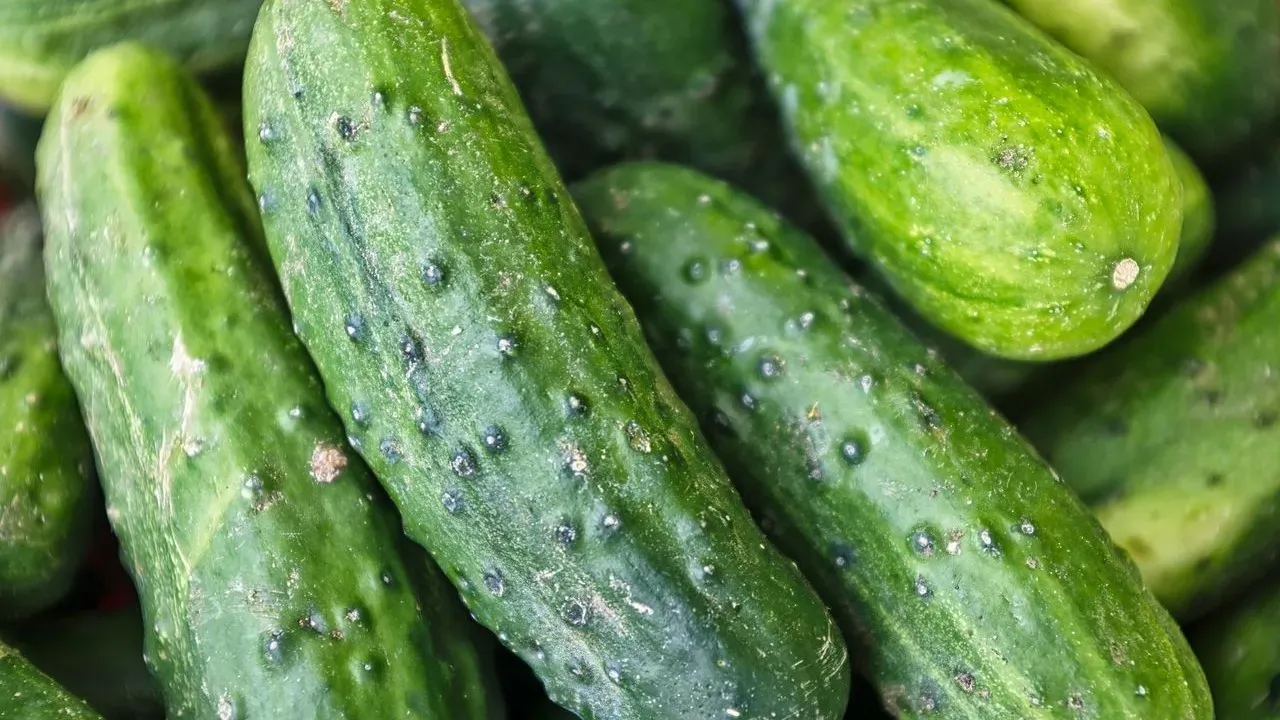

Late summer gardens frequently produce more cucumbers than a household can eat fresh, leaving many growers searching for simple preservation options. A straightforward approach that combines vinegar and sugar offers one practical solution for turning surplus produce into a ready condiment. This method helps reduce waste while delivering a tangy addition to meals that lasts well beyond the growing season. ([1])
Seasonal Pressure on Home Growers
Cucumber plants often reach peak production in August and September, when warm weather accelerates growth and yields climb rapidly. Gardeners who planted for steady harvests can suddenly face daily collections that exceed immediate needs. The result is a familiar cycle of trying to give away extras or watching some spoil before they can be used. Those who enjoy homegrown produce value the flavor and freshness but face the added task of managing volume. Without a reliable preservation step, the effort invested in planting, watering, and tending plants can feel partly lost. Quick pickling addresses this by converting the overflow into a stable form that extends usability.
Core Elements of the Vinegar and Sugar Approach
The technique relies on a basic brine made from vinegar and sugar to create an acidic environment that preserves the cucumbers. Slices or spears are submerged in the mixture, which draws out moisture and infuses flavor over a short period. No long fermentation is required, making the process accessible even for those new to preserving. Because the method uses common pantry items, it fits into busy schedules without specialized equipment. The sugar balances the sharpness of the vinegar, producing a milder taste that appeals to a wide range of palates. Once prepared, the pickles can be refrigerated and enjoyed within days.
Practical Outcomes for Daily Use
Preserved cucumbers add brightness to sandwiches, salads, and grilled dishes throughout the cooler months. The tangy slices also serve as a low-effort side that requires no further cooking. Many gardeners report that having a jar on hand encourages more creative meal planning when fresh produce becomes scarce. The process itself takes minimal active time once the cucumbers are harvested and cleaned. This efficiency matters during peak season when other garden tasks compete for attention. The finished product stores well in the refrigerator, providing a steady supply without repeated effort.
Looking Ahead to Future Seasons
Gardeners who adopt this preservation habit often plan next year’s plantings with greater confidence, knowing excess output has a clear destination. The method supports a more complete use of the harvest and reduces the sense of loss that comes with spoiled produce. Over time, it becomes a standard part of the late-summer routine for those managing productive cucumber beds.
AI Disclaimer: This article was created with the assistance of AI tools and reviewed by a human editor.