
Welcome to the world of the Turk’s Turban pumpkin, where vibrant colors and unique shapes come together to create a truly eye-catching addition to your garden. Whether you are a seasoned gardener or a beginner, growing Turk’s Turban pumpkins can be a rewarding and exciting experience. Known for their striking appearance, with a vibrant mix of orange, green, and white patterns, these pumpkins are not only visually appealing but also deliciously flavorful.
In this article, we will delve into the specifics of growing Turk’s Turban pumpkins, from selecting the right seeds to providing the ideal growing conditions, so that you can enjoy a bountiful harvest of these stunning and tasty pumpkins.
What are Turk’s Turban pumpkins?
Turk’s Turban pumpkin, also known as “Turban squash,” is a unique and visually striking variety of pumpkin. It gets its name from its distinct shape, resembling a turban or a hat. The pumpkin has a round base with a bulbous top that is often brightly colored with a combination of vibrant orange, green, and white stripes or patches.
This heirloom pumpkin is typically medium-sized, ranging from 6 to 10 inches in diameter. It has a thick, hard skin that is not suitable for eating, but it makes an excellent decorative piece for fall displays or Halloween decorations. Turk’s Turban pumpkins are known for their long storage life, making them a popular choice for ornamental purposes. They can last for several months if stored properly in a cool, dry place. When it comes to growing Turk’s Turban pumpkins, they require similar conditions as other pumpkin varieties.
They thrive in full sun and well-drained soil with a pH level between 6.0 and 7.5. It is recommended to start the seeds indoors about 2-4 weeks before the last frost date and transplant them outdoors when the soil has warmed up. These pumpkins need ample space to spread their vines, so make sure to provide enough room for them to grow. Regular watering is essential, especially during dry spells, but be cautious not to overwater as it can lead to rotting.
Harvest Turk’s Turban pumpkins when the skin has hardened and the vines start to wither. Cut the pumpkins from the vine, leaving a few inches of stem attached. Cure them in a warm, dry area for about two weeks to enhance their flavor and extend their shelf life.
Overall, Turk’s Turban pumpkins are a delightful addition to any garden or fall decoration. Their unique appearance and long-lasting nature make them a favorite among gardeners and decorators alike.
What do Turk’s Turban pumpkins taste like?
Turk’s Turban pumpkin, also known as “French Turban” or “Turban squash,” is a unique and visually striking variety of pumpkin. When it comes to flavor, Turk’s Turban offers a delightful combination of sweetness and nuttiness.
The flesh of Turk’s Turban pumpkin is dense, smooth, and creamy. It has a vibrant orange color that intensifies as it ripens. The taste is often described as rich and sweet, with a subtle hint of nuttiness. The sweetness is not overpowering, making it a versatile pumpkin for both sweet and savory dishes.
When cooked, Turk’s Turban pumpkin retains its firm texture, making it suitable for various culinary applications. The flavor becomes more pronounced and develops a slightly earthy undertone. The nutty notes complement the natural sweetness, resulting in a well-balanced taste.
Due to its unique appearance and flavor profile, Turk’s Turban pumpkin is often used as a centerpiece in fall decorations. However, it is also highly regarded in the culinary world. It can be roasted, baked, steamed, or pureed to create delicious dishes such as soups, pies, bread, and even savory stews.
Overall, Turk’s Turban pumpkin offers a delightful combination of sweetness and nuttiness, making it a fantastic choice for those looking to add a unique flavor to their culinary creations.
How to start Turk’s Turban pumpkin seeds
Growing Turk’s Turban pumpkins can be a rewarding and enjoyable experience. These unique and colorful pumpkins are known for their striking appearance, making them a popular choice for fall decorations. Here is a step-by-step guide on how to start Turk’s Turban pumpkins:
- Choosing the Right Location: Turk’s Turban pumpkins require a sunny location with well-draining soil. Select a spot in your garden that receives at least 6-8 hours of direct sunlight each day. Ensure that the soil is rich in organic matter and has good drainage.
- Preparing the Soil: Before planting, prepare the soil by removing any weeds or debris. Loosen the soil to a depth of about 12-18 inches using a garden fork or tiller. Incorporate compost or well-rotted manure to improve the soil’s fertility and drainage.
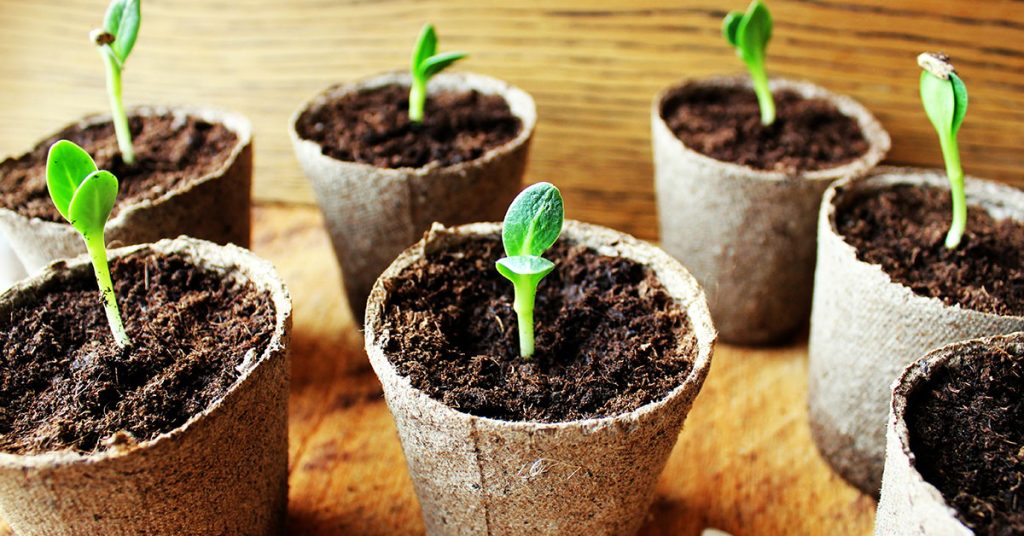
- Starting Seeds Indoors: Turk’s Turban pumpkins can be started indoors, 2-3 weeks before the last frost date in your area. Fill seed trays or pots with seed-starting mix and plant the seeds about 1 inch deep. Keep the soil consistently moist and maintain a temperature of around 70-85°F (21-29°C) for optimal germination. Transplant the seedlings outdoors once all danger of frost has passed.
- Direct Sowing: Alternatively, you can sow Turk’s Turban pumpkin seeds directly into the garden once the soil has warmed up and all frost risks have passed. Plant the seeds about 1 inch deep and space them 3-4 feet apart in rows that are 6-8 feet apart.
- Watering: Keep the soil evenly moist throughout the growing season, especially during dry spells. Avoid overwatering, as it can lead to root rot. Water at the base of the plants, avoiding wetting the foliage, to prevent the development of fungal diseases.
- Fertilizing: Turk’s Turban pumpkins are heavy feeders, so it’s important to provide them with regular fertilization. Apply a balanced organic fertilizer or compost tea every 2-3 weeks during the growing season. This will help promote healthy growth and maximize fruit production.
- Mulching: Apply a layer of organic mulch around the base of the plants to help retain moisture, suppress weed growth, and maintain a more consistent soil temperature. Straw, shredded leaves, or wood chips are excellent choices for mulching pumpkins.
- Supporting the Vines: Turk’s Turban pumpkins are vigorous climbers and can benefit from some support. You can use trellises, fences, or sturdy stakes to provide support for the vines as they grow. This will help prevent the fruit from sitting directly on the ground, reducing the risk of rot and pest damage.
- Pest and Disease Control: Monitor your Turk’s Turban pumpkins regularly for common pests such as aphids, squash bugs, and cucumber beetles. Handpick or use organic insecticides to control these pests if necessary. Additionally, keep an eye out for diseases like powdery mildew and downy mildew. Provide adequate spacing between plants, promote good air circulation, and avoid overhead watering to minimize the risk of disease.
- Harvesting: Turk’s Turban pumpkins are typically ready for harvest around 90-110 days after planting. The pumpkins should have a vibrant color and a hard rind. Use a sharp knife or pruning shears to cut the pumpkins from the vine, leaving a few inches of stem attached. Harvest before the first frost, as cold temperatures can damage the fruit.
By following these steps, you can successfully grow Turk’s Turban pumpkins and enjoy their unique beauty in your garden or as part of your fall decorations. Happy gardening!
When to transplant your Turk’s Turban pumpkin outdoors
The ideal time to plant Turk’s Turban pumpkin is in late spring or early summer, after the last frost has passed and the soil has warmed up. This is typically around late May to early June, depending on your specific location. Pumpkins are warm-season crops and require a minimum soil temperature of 60°F (15°C) for successful germination and growth. Planting too early when the soil is still cold can result in poor germination or stunted growth.
Growing & care guide
Turk’s Turban pumpkins, also known as “Turban squash,” are a unique and visually striking variety of pumpkin that can add a touch of elegance to your garden or fall decorations. To ensure healthy growth and a bountiful harvest, it’s important to follow some best practices for caring for Turk’s Turban pumpkins. Here are some guidelines to help you achieve success:
- Selecting the right location: Turk’s Turban pumpkins require a sunny spot in your garden that receives at least 6-8 hours of direct sunlight daily. The soil should be well-draining and rich in organic matter. Avoid planting them in low-lying areas prone to waterlogging.
- Preparing the soil: Before planting, prepare the soil by loosening it with a garden fork or tiller. Incorporate compost or well-rotted manure to improve soil fertility and drainage. This will provide the pumpkins with the necessary nutrients for healthy growth.
- Planting the seeds: Turk’s Turban pumpkins can be directly sown into the garden after the danger of frost has passed and the soil has warmed up. Plant the seeds about 1 inch deep, with a spacing of 3-4 feet between each plant. Alternatively, you can start the seeds indoors 3-4 weeks before the last frost date and transplant them once the seedlings have developed a few true leaves.
- Watering: Pumpkins require consistent moisture throughout the growing season. Water the plants deeply, providing about 1-2 inches of water per week. Avoid overhead watering, as wet foliage can promote the development of fungal diseases. Instead, use a soaker hose or water at the base of the plants.
- Mulching: Apply a layer of organic mulch around the base of the plants to help conserve moisture, suppress weed growth, and maintain a more consistent soil temperature. Straw, shredded leaves, or grass clippings can be used as mulch.
- Fertilizing: Turk’s Turban pumpkins are heavy feeders and benefit from regular fertilization. Apply a balanced, slow-release organic fertilizer or compost around the base of the plants when they start to vine and again when the fruits begin to develop. Follow the manufacturer’s instructions for application rates.
- Supporting the vines: Turk’s Turban pumpkins produce long, sprawling vines that can benefit from support. Use trellises, fences, or sturdy stakes to provide support and prevent the vines from sprawling all over the garden. This can also help protect the pumpkins from rotting on damp soil.
- Pest and disease control: Keep an eye out for common pumpkin pests such as aphids, squash bugs, and cucumber beetles. Regularly inspect the plants and remove any pests by hand or use organic insecticidal soaps or neem oil if necessary. Fungal diseases like powdery mildew can also affect pumpkins, so ensure good air circulation around the plants and avoid overhead watering.
- Harvesting: Turk’s Turban pumpkins are typically ready for harvest when the rinds have hardened and developed their characteristic vibrant colors. Cut the pumpkins from the vine, leaving a few inches of stem attached. Handle them with care to avoid any damage that could lead to rotting during storage.
By following these best practices, you can successfully care for Turk’s Turban pumpkins and enjoy a beautiful harvest of these unique and decorative fruits. Happy gardening!
Harvesting guide
Turk’s Turban pumpkin, also known as “Turban squash,” is a unique and visually striking variety of pumpkin. Harvesting Turk’s Turban pumpkins requires careful attention to the plant’s growth and maturity. Here’s a step-by-step guide on when and how to harvest Turk’s Turban pumpkins:
- Timing: Turk’s Turban pumpkins typically take around 90 to 100 days to reach maturity from the time of planting. The exact timing may vary depending on your specific growing conditions and climate. To determine the optimal harvest time, look for signs of maturity such as a hard rind, vibrant color, and the drying of the stem.
- Rind and Color: When Turk’s Turban pumpkins are ready for harvest, their rinds will become hard and resistant to scratching with your fingernail. Additionally, the color of the pumpkin will change from green to a vibrant combination of orange, yellow, green, and white. The more intense and vibrant the colors, the riper the pumpkin.
- Stem Drying: Pay attention to the stem of the pumpkin. As the pumpkin matures, the stem will start to dry out and turn brown. This is a good indicator that the pumpkin is ready for harvest. However, ensure that the stem is still attached to the pumpkin and hasn’t completely detached.
- Size and Weight: Turk’s Turban pumpkins can vary in size, but they are generally medium-sized. When harvesting, make sure the pumpkin has reached its full size and feels heavy for its size. A mature pumpkin will have a solid weight and density.
- Harvesting: To harvest Turk’s Turban pumpkins, use a sharp knife or pruning shears to cut the stem, leaving about 3 to 4 inches attached to the pumpkin. Be careful not to damage the pumpkin or the stem, as any injuries can lead to rot or spoilage during storage.
- Curing: After harvesting, it’s essential to cure Turk’s Turban pumpkins to enhance their flavor and extend their shelf life. Place the pumpkins in a warm and dry location, preferably with good air circulation. Allow them to cure for about 10 to 14 days, which helps toughen the skin and heal any minor cuts or scratches.
- Storage: Once cured, Turk’s Turban pumpkins can be stored in a cool, dry, and well-ventilated area. Ideal storage conditions include temperatures between 50 to 55°F (10 to 13°C) and relative humidity around 50 to 70%. Properly cured and stored pumpkins can last for several months.
Remember, Turk’s Turban pumpkins are not only visually appealing but also delicious. Enjoy them in various culinary preparations, such as soups, pies, roasted dishes, or even as decorative elements during the fall season.