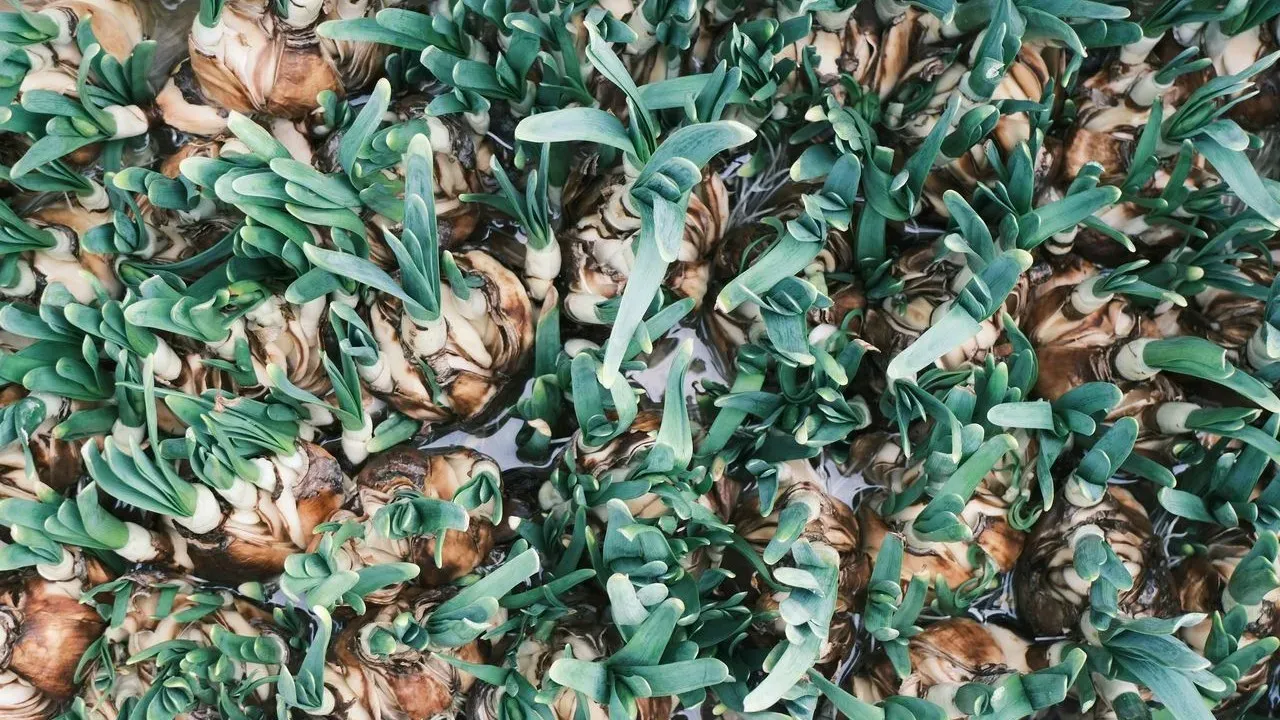

Gardeners across many regions are already reviewing bulb catalogs as the 2026 fall planting window draws near. New tulip introductions slated for 2027 are generating interest because they target specific preferences in color intensity, petal structure, and cutting performance. These releases reflect ongoing efforts by specialists to expand choices beyond established favorites.
Timing Bulb Orders and Plantings
Fall remains the standard season for setting tulip bulbs in the ground. Soil temperatures that have cooled but not yet frozen provide the conditions tulips need to establish roots before winter dormancy. Orders placed now allow sufficient time for delivery and preparation ahead of the optimal planting window in most temperate zones. Proper site selection also influences success. Well-drained soil and full sun exposure help the bulbs develop into strong plants the following spring. Many growers recommend planting in groups rather than single rows to create more natural-looking drifts of color.
Focus on Vibrant Color Selections
Breeders continue to emphasize saturated hues that stand out in mixed borders or mass plantings. These new offerings aim to provide stronger visual impact during the relatively short tulip bloom period in early to mid-spring. Gardeners who value bold statements in the landscape often prioritize such varieties when planning their beds. Color consistency across different light conditions is another trait under development. Some introductions are noted for retaining their intensity even as sunlight angles change through the day. This reliability can reduce disappointment when weather patterns shift during the flowering weeks.
Multi-Petalled Forms and Texture
Double-flowered tulips with extra layers of petals have gained popularity for the added depth they bring to arrangements and garden views. The 2027 selections build on this trend by refining petal count and arrangement while maintaining reasonable stem strength. Such forms offer a different silhouette compared with classic single-petaled types. Texture also plays a role in how these flowers photograph and perform in bouquets. Fuller blooms can create a more substantial presence in both formal displays and informal cottage-style gardens. Growers note that these varieties often require slightly richer soil to support the heavier flower heads.
Cut-Flower Performance and Longevity
Tulips intended for cutting benefit from sturdy stems and extended vase life. New releases in this category are selected partly for their ability to hold form after harvest. Home gardeners who enjoy bringing flowers indoors appreciate varieties that transition well from border to bouquet without rapid wilting. Spacing recommendations remain consistent with earlier advice. Planting at the depth and distance suggested on the packaging supports both garden display and the production of usable stems for arrangements. Regular deadheading after bloom can also encourage better bulb replenishment for future seasons. New tulip introductions continue to give gardeners additional tools for creating distinctive spring scenes. With orders typically placed in late summer and early fall, the coming weeks offer a practical window to review what will be available for the 2027 season.
AI Disclaimer: This article was created with the assistance of AI tools and reviewed by a human editor.