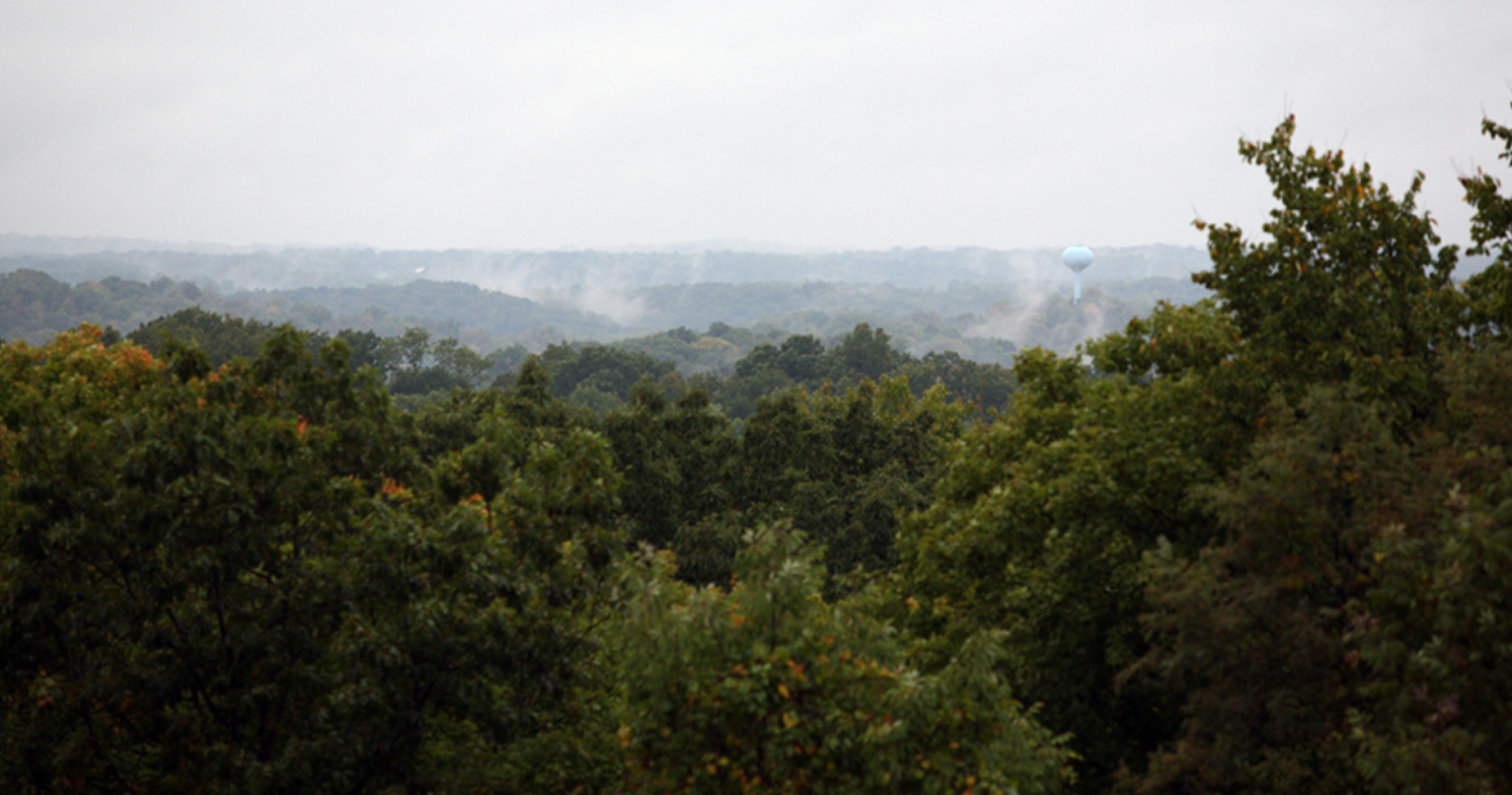

Ohio’s only national forest, the Wayne National Forest, is facing a new and alarming threat. Under a recent push by the Trump administration to expand logging on public lands, this forest could soon see large sections opened up for timber extraction. The move has sparked fierce debate between those focused on short-term economic gains and those fighting to preserve a vital ecological resource that has taken decades to recover.
A Forest Born From Ruin
The Wayne National Forest covers nearly a quarter million acres in southeastern Ohio, a region once scarred by coal mining. When the land was first acquired by the federal government in the early 20th century, it was barren and broken. Reforestation efforts over the decades helped stabilize soils, restore watersheds, and bring back a thriving mix of oak, hickory, maple, and beech forests.
Today, the Wayne is a living system that supports hundreds of wildlife species, filters drinking water, and stores carbon in its rich soils. The forest also draws thousands of visitors each year for hiking, hunting, camping, and fishing. For the communities nearby, it’s both an ecological safeguard and an economic anchor built on tourism and recreation rather than extraction.
What’s Happening Now
The new plan would significantly expand logging within the forest, loosening environmental review requirements and accelerating approval of timber sales. Officials have framed the move as a way to promote “forest health” and job creation in rural areas. But conservationists warn that the policy is a rollback of decades of careful stewardship.
Much of the Wayne National Forest was built on top of unstable mine land. Removing large sections of trees risks triggering soil erosion, releasing trapped pollutants, and sending sediment and contaminants into local waterways. Those impacts could ripple far beyond the forest boundaries, affecting water quality in downstream communities.
Why It Matters
The potential consequences of large-scale logging go far beyond a few felled trees.
- Soil erosion and water pollution: Roots from trees and shrubs hold fragile soils together. Logging would expose bare ground, allowing heavy rains to wash sediments and toxins into streams.
- Loss of carbon storage: Forests act as carbon sinks, locking away greenhouse gases. Clear-cutting releases that carbon back into the atmosphere.
- Habitat fragmentation: Logging roads and thinning break up critical wildlife corridors, isolating species and increasing vulnerability to invasive plants.
- Higher wildfire risk: Removing mature trees can leave behind slash piles and dry debris, creating more fuel for fires rather than preventing them.
The damage would undo decades of restoration work. Environmental scientists note that many of the forest’s soils are still recovering from past mining and that even small disturbances can trigger landslides or acid runoff from old coal seams.
The Economic Argument
Supporters of expanded logging point to job creation and timber revenue, particularly in rural Appalachian counties that have struggled economically for generations. Logging can indeed create short-term work opportunities, but those benefits often fade quickly. Once the timber is gone, the long-term costs, like soil degradation, lower tourism, and water treatment expenses, can outweigh any temporary financial boost.
Communities that rely on outdoor recreation and tourism stand to lose the most. Visitors come to the Wayne for its trails, creeks, and fall foliage, not for its stumps. Protecting the forest means protecting the steady income streams those activities provide.
How It Affects You
Even if you live far from Ohio, the implications reach beyond state lines. National forests belong to all Americans, and how one is managed sets precedent for others. The Wayne plays a role in regional water quality, biodiversity, and carbon storage that influences broader environmental stability. If logging expands here, similar policies could soon reach forests across the country.
Consumers could also feel indirect effects through changes in ecosystem services. Forests like the Wayne help regulate local climates, protect watersheds, and maintain soil fertility, all of which impact agriculture, drinking water, and flood risk. What happens in southeastern Ohio doesn’t stay there for long.
What Can Be Done
For those who want to take action, several steps can make a real difference:
- Support local and national conservation groups working to protect the Wayne National Forest.
- Contact state and federal representatives to oppose expanded logging on public lands.
- Choose recreation and tourism options that promote forest preservation rather than extraction.
- Stay informed and share credible information about how logging policies impact ecosystems and communities.
Public pressure has halted harmful projects before. Speaking up can help ensure that forest management balances human needs with environmental stability.
The Bigger Picture
The Wayne National Forest was meant to be a success story – a landscape reborn from industrial devastation. Logging it now risks turning that story backward. While timber revenue may offer short-term gains, the real value of this forest lies in its ability to heal land, purify water, shelter wildlife, and remind us what recovery looks like.
Protecting the Wayne is about more than one forest in Ohio. It’s about deciding whether America’s public lands exist to serve the next quarter’s profits or the next century’s future.