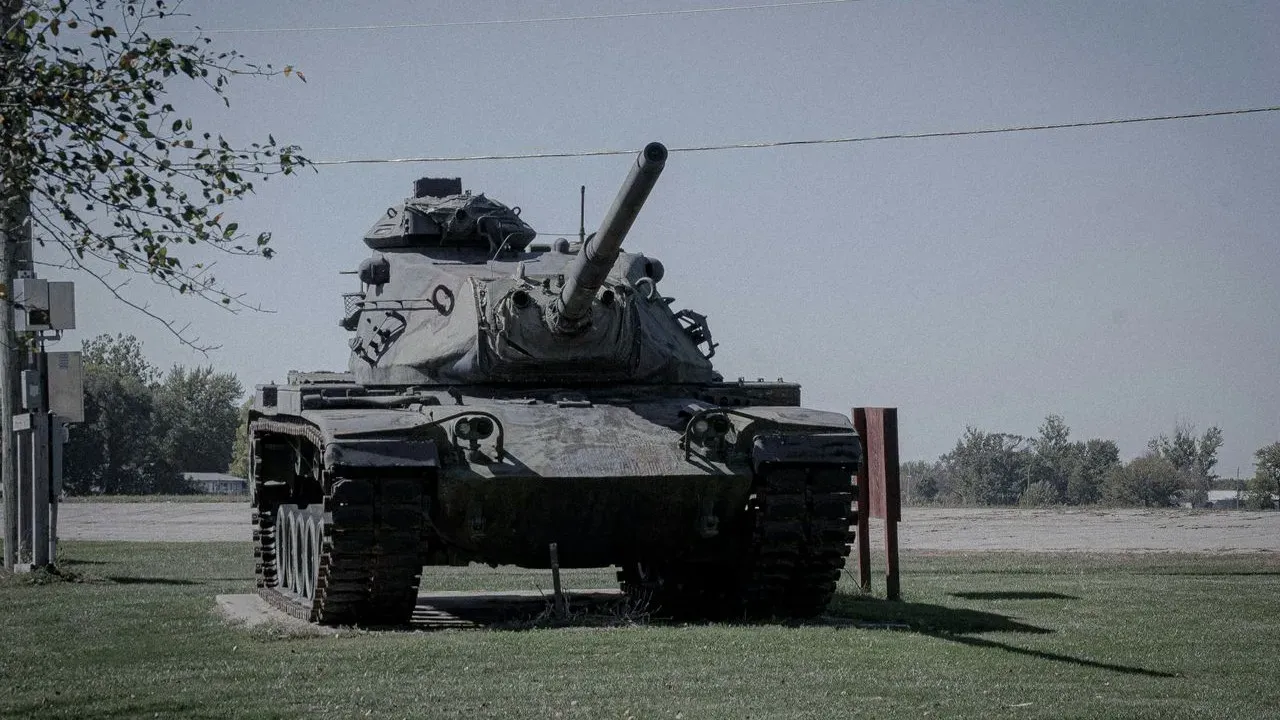

Middletown, Iowa – A planned detonation of several tons of degraded bomb-making material has been put on hold, and the decision now rests with a federal appeals court and Iowa’s incoming governor. The Army had been preparing to set off the material this week at its ammunition plant in the small community, a move that had already prompted lawsuits, protests and warnings about lead dust. President Donald Trump announced the pause on Monday, tying the outcome to a state official who has not yet taken office. ([1])
A problem discovered in March
The concern began months earlier, in a storage area that rarely draws public attention. In March, the Army said it found 68 drums of material at the Iowa Army Ammunition Plant that had begun to change structurally, a process the military described as recrystallization. The material had been kept in bunkers at a munitions site that dates to 1941 and still produces medium- and large-caliber ammunition.
Army officials argued that the material had become too unstable to leave in place. Their case was that a controlled blast was safer than moving the drums, which they said would raise the chance of an accidental and fatal explosion. The timeline then moved quickly. The detonation was postponed more than once, and by the weekend the military had told the court it intended to act before the end of the week, citing the approaching cold weather as a factor that made further delay more dangerous.
Why a federal court stepped in
Environmental groups did not accept that timeline. The Iowa Environmental Council and the Sierra Club’s Iowa chapter asked the federal courts to halt the blast, arguing that lead dust could spread across a wide area and reach communities more than 100 miles from the plant. On Thursday, the Eighth Circuit Court of Appeals temporarily paused the emergency permit issued by the Environmental Protection Agency that had cleared the way for the operation. The court did not say when it would rule on the broader request. ([2])
The government took a different view. Justice Department lawyers argued that the Army does not need a permit to respond to an immediate threat from explosive material, and they asked the court to lift the pause. That legal dispute is the reason the detonation has become a question for judges as much as for military planners.
Conditions attached to the pause
Trump’s statement added a second condition. He said the military would not proceed until the Eighth Circuit agreed that it could go forward, and that the decision was also subject to the incoming governor, Rob Sand, agreeing to the operation. If neither gave approval, the president said the detonation would not happen. He also said he would hold the incoming governor responsible for any resulting destruction, a remark that sharpened the political edge of an already contentious issue.
Trump also questioned why a contract to remove the explosive risk had been canceled and why the work was being rushed into late November. Those questions have not been answered in the statement, and they add to a debate that now reaches beyond the plant gates. The key points of the current situation are straightforward:
- The material is several tons of degraded bomb-making material stored at the Iowa Army Ammunition Plant near Middletown, about 160 miles southeast of Des Moines.
- The Eighth Circuit has temporarily stayed the EPA permit, and it has not yet ruled on the longer-term request to halt the detonation.
- The president has ordered the military not to proceed without court approval.
- Sand, who takes office after the election, must also agree before any blast can occur.
What happens next
Officials have said the risk grows as temperatures fall, and the Army has argued that every week of waiting adds to that danger. Iowa’s current governor, Kim Reynolds, said over the weekend that state agencies were preparing for the detonation, so the state has been planning for the event even as the legal picture shifts. ([3])
Still, the next move belongs to the appeals court and to the incoming governor. Residents near Middletown, along with environmental groups and the Army, are waiting on a ruling that could determine whether the material is destroyed on the Army’s schedule or remains under watch for longer. Whatever the court decides, the episode shows how quickly a routine maintenance problem at an old munitions site can become a national story.
AI Disclaimer: This article was created with the assistance of AI tools and reviewed by a human editor.