
The White House Rose Garden underwent another major shift in 2025 when its central lawn gave way to a limestone patio. This latest change follows decades of adjustments by successive administrations and highlights ongoing tensions between historical preservation and modern use. The garden has served as a venue for speeches, ceremonies and official events since its early days.
Origins in the Wilson Years
President Woodrow Wilson’s wife, Ellen Wilson, established the Rose Garden in 1913 with help from landscape architect George Burnap. The project replaced an earlier Colonial Garden created by Edith Roosevelt in 1902. Greenhouses had occupied the site before that time.
The new garden featured roses as its centerpiece and quickly became a formal outdoor space tied to White House functions. It remained largely intact for nearly fifty years, reflecting the preferences of its initial designers and the limited resources available for frequent updates.
Kennedy Redesign Sets Lasting Framework
In 1961, President John F. Kennedy and First Lady Jacqueline Kennedy commissioned a full redesign led by horticulturist Rachel “Bunny” Mellon. Mellon collaborated with landscape architect Perry Wheeler and White House head gardener Irwin Williams to create an outdoor room suited for press events and diplomatic gatherings.
The updated layout centered on a broad lawn bordered by 12-foot-deep planting beds. Magnolia trees anchored the corners, while roses mixed with herbs, bulbs and young crabapple trees filled the borders. This arrangement drew inspiration from classic garden traditions and supported both aesthetic and practical needs.
Planting Challenges Emerge Over Decades
Mature crabapple trees eventually shaded the sun-dependent roses, prompting partial removals in 2003. Boxwood borders faced threats from blight, while drainage problems required repeated lawn repairs. Tree roots also complicated efforts to refresh annual plantings without damage.
Walkways received piecemeal replacements with mismatched materials during earlier fixes. These incremental issues accumulated and set the stage for larger interventions aimed at restoring functionality and appearance.
2020 Project Restores 1962 Vision
First Lady Melania Trump directed a 2020 restoration that addressed infrastructure shortfalls and returned the garden closer to its mid-century design. Two architecture firms worked with preservation committees and the National Park Service on the effort.
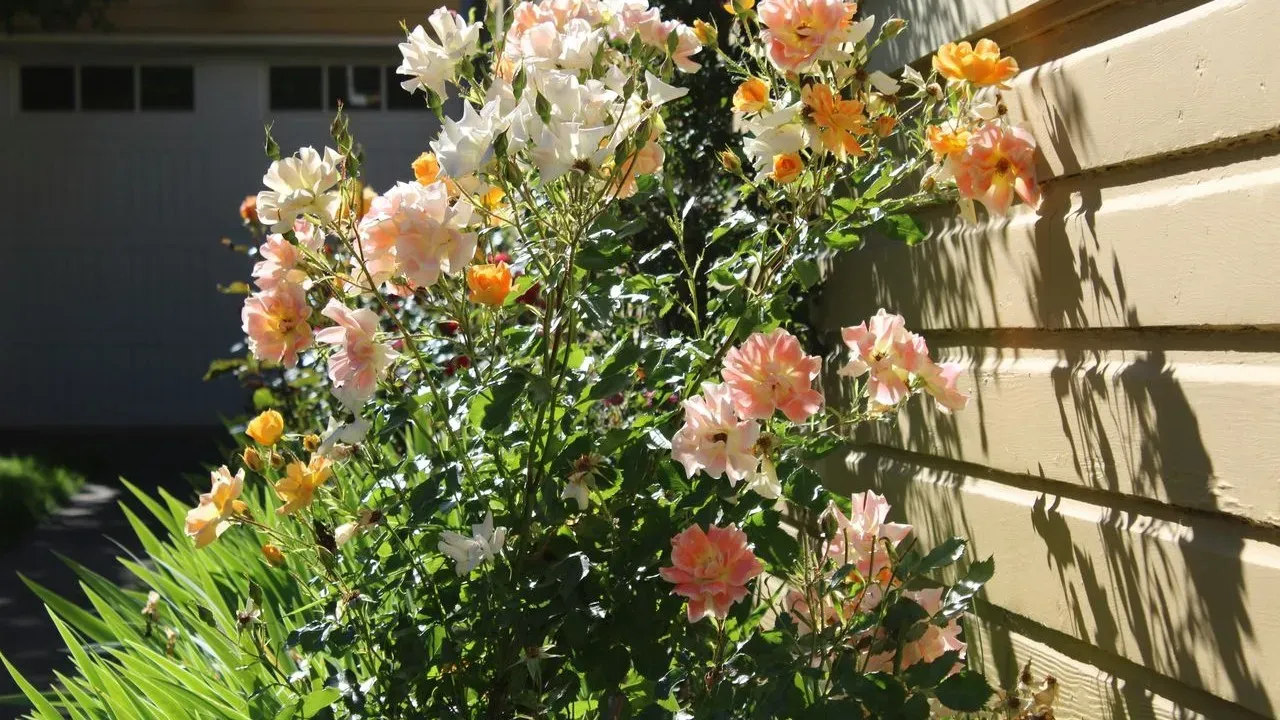
Remaining crabapple trees were relocated, and new roses in pastel tones were introduced, including varieties named for the White House, John F. Kennedy, Pope John Paul II and the classic Peace rose. Blight-resistant boxwoods replaced older shrubs, and uniform limestone paths improved accessibility while adding electrical capacity for events.
2025 Changes Shift Focus to Patio Use
President Trump’s 2025 update replaced the central lawn with a white limestone patio equipped with solar lighting, tables and umbrellas. Bronze statues of George Washington, Benjamin Franklin and Alexander Hamilton were added along the edges.
The space now hosts dinners and has been referred to as the Rose Garden Club. Roses continue to line the perimeter, maintaining the garden’s floral character despite the altered central area.
| Era | Central Feature | Key Plantings |
|---|---|---|
| 1913–1961 | Original rose beds | Roses, limited borders |
| 1962–2019 | Expansive lawn | Magnolias, crabapples, mixed roses |
| 2020 | Lawn restored | Pastel roses, blight-resistant boxwood |
| 2025 | Limestone patio | Perimeter roses only |
The sequence of redesigns shows how each administration balanced ceremonial needs with practical maintenance. Future adjustments will likely continue as the garden adapts to new requirements while preserving its role in national events.
AI Disclaimer: This article was created with the assistance of AI tools and reviewed by a human editor.