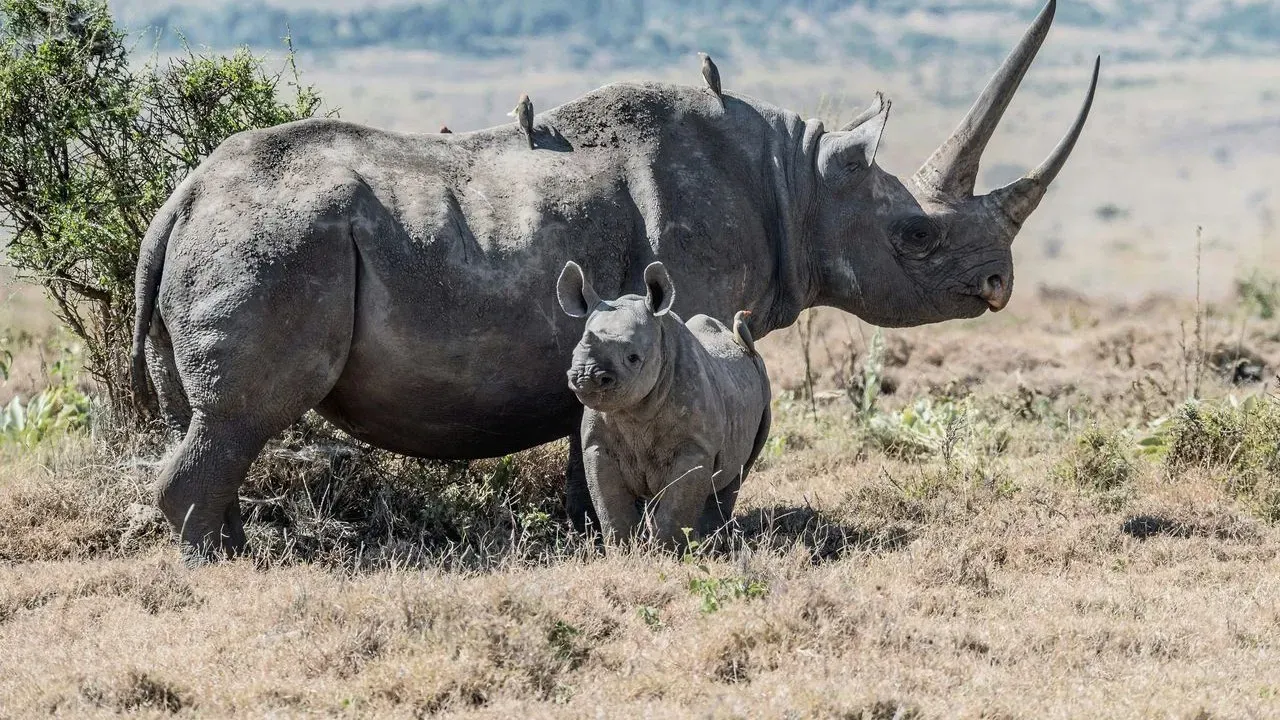

Phoenix – The Trump administration has finalized a rule that narrows how federal agencies interpret a central term in the Endangered Species Act. The change, announced on a Friday, redefines what counts as harm to threatened and endangered animals and removes a long-standing barrier to development in their habitats. Officials say the adjustment restores the law to its original scope while critics warn it removes a vital shield against habitat loss.
The Core Change to Enforcement
For decades, the definition of harm under the Endangered Species Act included actions that significantly modified or degraded habitat in ways that actually killed or injured protected wildlife. The new rule limits that definition to direct killing or injury of the animals themselves.
Activities such as logging, oil and gas drilling, mining, and other land development can now proceed in areas designated as critical habitat provided the animals are not physically harmed. The administration described the prior approach as an overreach that infringed on private property rights.
The revision follows a 2024 Supreme Court decision that curtailed federal agencies’ latitude to interpret statutes passed by Congress. Officials presented the update as an effort to reduce regulatory burdens on landowners and businesses.
Timeline and Recent Context
The proposal first appeared in April 2025. Environmental groups challenged the plan in court but did not succeed in blocking it. The final rule marks the latest in a series of adjustments to wildlife protections pursued during the current administration.
Similar rollbacks occurred in President Trump’s first term and were later reversed under President Biden. Habitat destruction remains the leading driver of species decline, according to wildlife advocates who have tracked the law’s effects since its passage in 1973.
Stakeholder Views and Practical Stakes
Interior Secretary Doug Burgum stated that federal agencies had previously used the Endangered Species Act to obstruct lawful land use and place unnecessary costs on families and businesses. Industry representatives have long maintained that the statute was applied too broadly at the expense of economic activity.
Environmental organizations countered that the narrower definition removes an essential tool for preventing extinctions. Aaron Weiss, executive director of the Center for Western Priorities, called the move one of the most significant attempts to weaken wildlife safeguards in American history.
The Endangered Species Act has been credited with recovering several high-profile species, including the bald eagle, American alligator, and California condor. The new interpretation could affect how agencies review projects that overlap with remaining populations of less visible but still imperiled animals.
Implications for Everyday Habitats
Many threatened species rely on the same types of vegetation and open spaces found in residential gardens, suburban edges, and rural properties. Reductions in habitat protection can translate into fewer safe areas for nesting birds, foraging pollinators, and other native wildlife that people encounter locally.
Landowners and developers now face fewer automatic restrictions when planning activities on or near critical habitat zones. At the same time, the direct prohibition on killing or injuring listed animals remains in place.
Key points on the rule change
- Old definition: Harm included significant habitat modification that killed or injured protected species.
- New definition: Harm limited to direct killing or injury of the animals.
- Result: More development allowed in critical habitat areas.
- Context: Follows 2024 Supreme Court limits on agency interpretation.
The adjustment shifts the balance between conservation requirements and land-use flexibility. Observers on both sides expect continued legal and political debate over how the revised standard will be applied in coming years.
AI Disclaimer: This article was created with the assistance of AI tools and reviewed by a human editor.