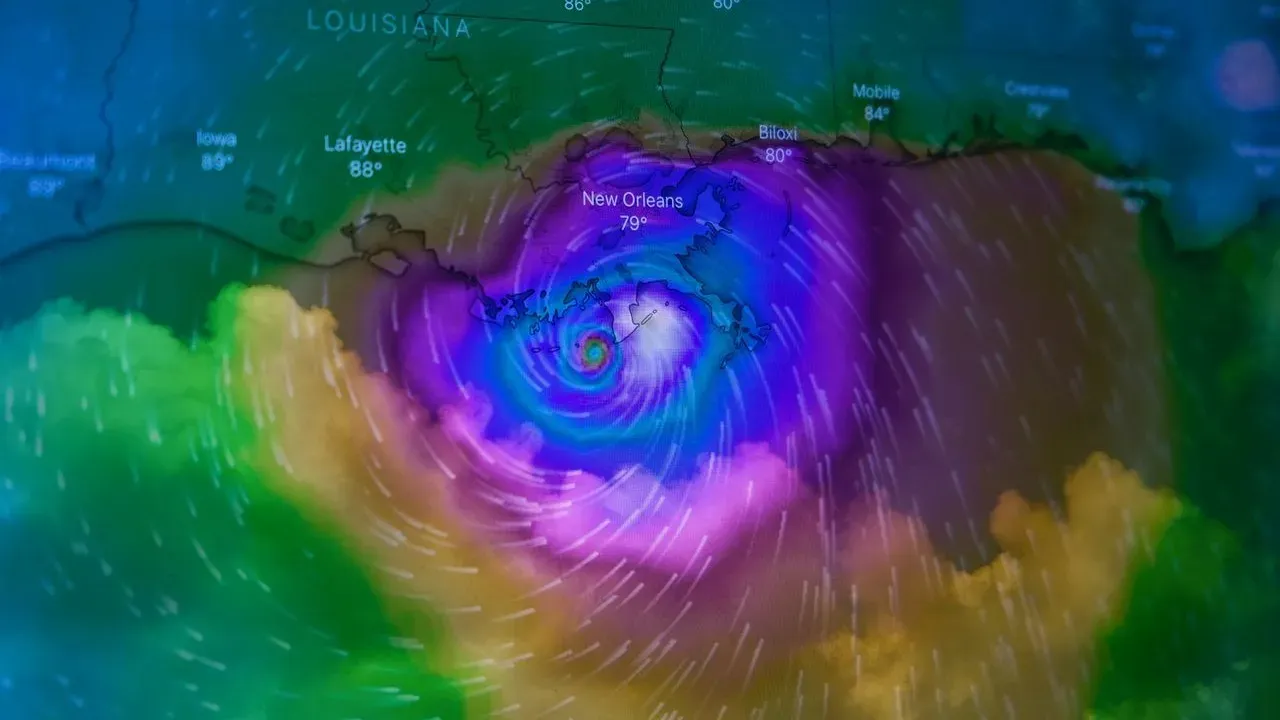

Southern California residents are tracking the northward progress of Tropical Storm Rachel across the eastern Pacific, with the system positioned roughly 800 miles southwest of San Diego as of noon Friday. ([1])Forecasters at the National Hurricane Center note maximum sustained winds near 50 mph and warn of possible damaging winds, heavy rain, and coastal flooding through the weekend. Satellite imagery has captured the storm’s steady advance, offering a clear view of its path toward the region. For gardeners, the timing raises practical questions about safeguarding outdoor spaces before conditions shift.
Current Position and Forecast Details
Rachel remains a tropical storm rather than a hurricane, yet its trajectory has drawn attention because such systems rarely reach this far north in the eastern Pacific during this period. The latest observations place the center well offshore, but models indicate continued movement that could bring effects to coastal areas. Heavy rainfall totals and gusty winds form the primary concerns, with forecasters emphasizing that impacts will depend on the storm’s exact track and intensity at landfall. Coastal zones face the added risk of elevated surf and minor flooding.
Why Gardeners Are Paying Close Attention
Many Southern California yards feature lightweight containers, young trees, and delicate plantings that respond quickly to strong winds and prolonged moisture. Even without direct landfall, outer bands can deliver enough rain and gusts to topple unsecured items or saturate soil around shallow roots. The weekend window leaves limited time for adjustments, prompting many to review their setups now rather than after the first showers arrive. Local extension services often advise checking drainage and ties ahead of any Pacific storm system.
Practical Steps for Yards and Plantings
Secure or bring indoors lightweight pots, garden tools, and furniture that could become projectiles in gusty conditions. Check stakes and ties on young trees and tall perennials to reduce the chance of toppling. Clear gutters and downspouts around garden beds to handle expected rainfall volumes. Move sensitive seedlings or potted herbs under cover if heavy rain is likely to persist for more than a day. Review irrigation schedules and consider pausing automatic systems to avoid compounding natural precipitation.
Staying Informed Through the Weekend
Updates from the National Hurricane Center and local National Weather Service offices will refine the forecast as Rachel moves closer. Satellite loops continue to provide visual confirmation of the storm’s structure and speed. Gardeners who monitor these sources alongside regional alerts can time their final preparations more precisely. Conditions remain fluid, so flexibility in weekend plans helps match any last-minute changes in the outlook.
AI Disclaimer: This article was created with the assistance of AI tools and reviewed by a human editor.