

Creating a wildlife-friendly yard is not only rewarding but also beneficial for the environment. One of the best ways to attract wildlife to your garden is by planting trees that provide food, shelter, and nesting sites for various creatures. As an enthusiastic gardener, I’ve discovered that certain trees can turn your yard into a bustling hub of biodiversity, supporting birds, insects, mammals, and more.
In this article, we’ll explore several trees that are particularly effective at attracting wildlife. These trees are not only beautiful but also play a crucial role in sustaining local ecosystems. Let’s dive into these top picks and see how they can transform your yard into a wildlife haven!
Oak (Quercus spp.)
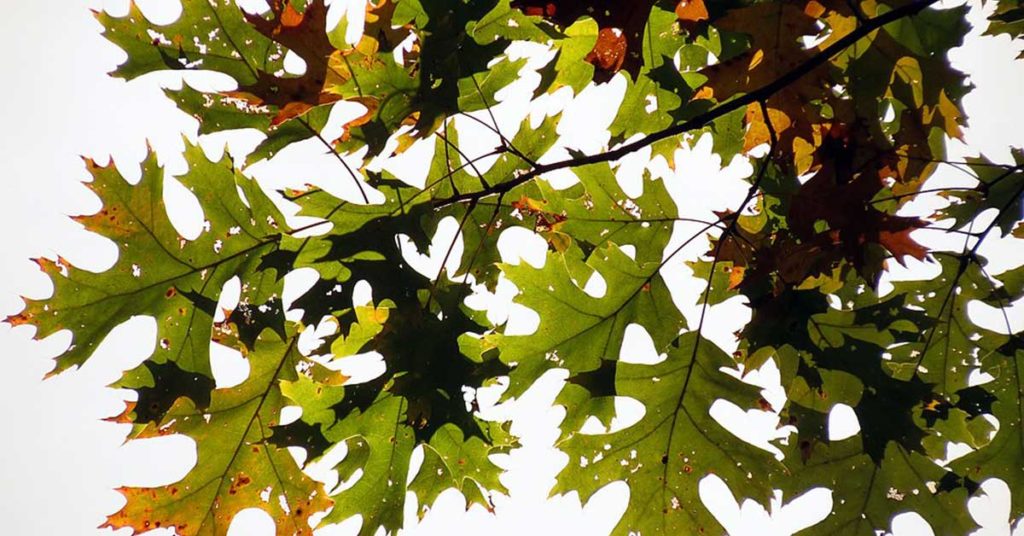
Oaks are powerhouse trees when it comes to supporting wildlife. Native to many regions around the world, including North America, Europe, and Asia, oaks provide a multitude of benefits for various species. Their acorns are a valuable food source for birds, squirrels, deer, and other mammals. Insects, particularly caterpillars, thrive on oak leaves, providing essential food for birds during breeding season.
Oaks also offer excellent nesting sites and shelter. Their sturdy branches and dense foliage create ideal environments for birds to build nests and seek refuge from predators. Additionally, the bark of mature oak trees supports many types of lichens, mosses, and fungi, further enhancing the tree’s ecological value. Planting an oak tree in your yard is a surefire way to attract a diverse array of wildlife and enjoy a rich tapestry of nature.
Serviceberry (Amelanchier spp.)

Serviceberries, also known as shadbush or Juneberries, are small deciduous trees native to North America. They are cherished for their beautiful white spring blossoms, followed by sweet, edible berries that ripen in early summer. These berries are a magnet for birds, including robins, cedar waxwings, and orioles, as well as mammals like raccoons and squirrels.
Serviceberries also provide excellent habitat for insects and other small creatures. The dense branching and leaves offer good cover for nesting birds and shelter for various insects. In the fall, serviceberries display stunning foliage in shades of orange, red, and yellow, making them a visually appealing addition to any yard. Their versatility and attractiveness to wildlife make serviceberries a top choice for enhancing biodiversity in your garden.
American Holly (Ilex opaca)
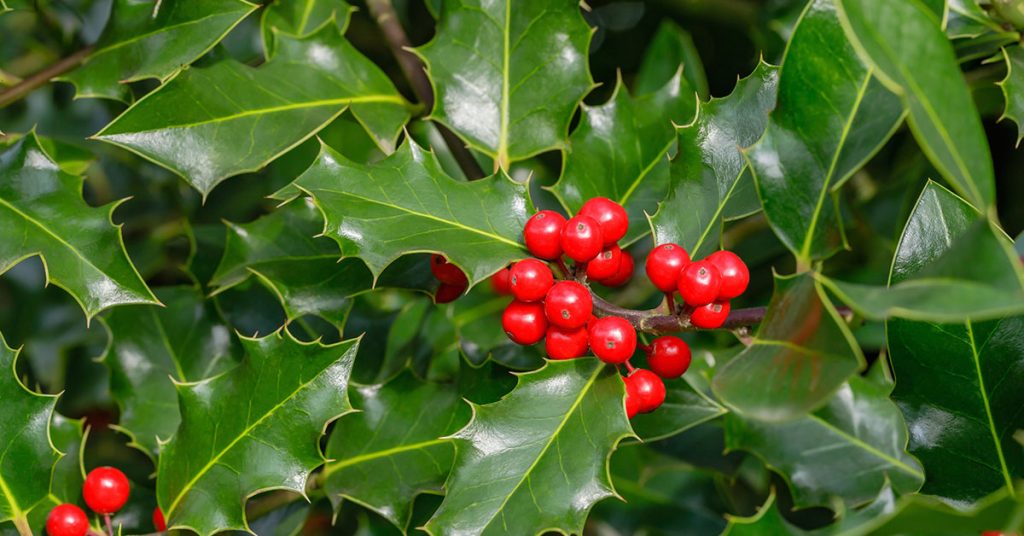
American Holly is an evergreen tree native to the eastern United States, known for its glossy, spiky leaves and bright red berries. These berries are a crucial winter food source for many bird species, including cedar waxwings, thrushes, and bluebirds. The dense foliage provides excellent cover and nesting sites for birds and other small animals throughout the year.
In addition to attracting birds, American Holly supports various insects, including bees that are drawn to its small white flowers in the spring. The tree’s evergreen nature ensures year-round shelter and habitat, making it an important refuge during the colder months. American Holly’s combination of aesthetic appeal and ecological benefits makes it a valuable addition to any wildlife-friendly yard.
Eastern Redbud (Cercis canadensis)
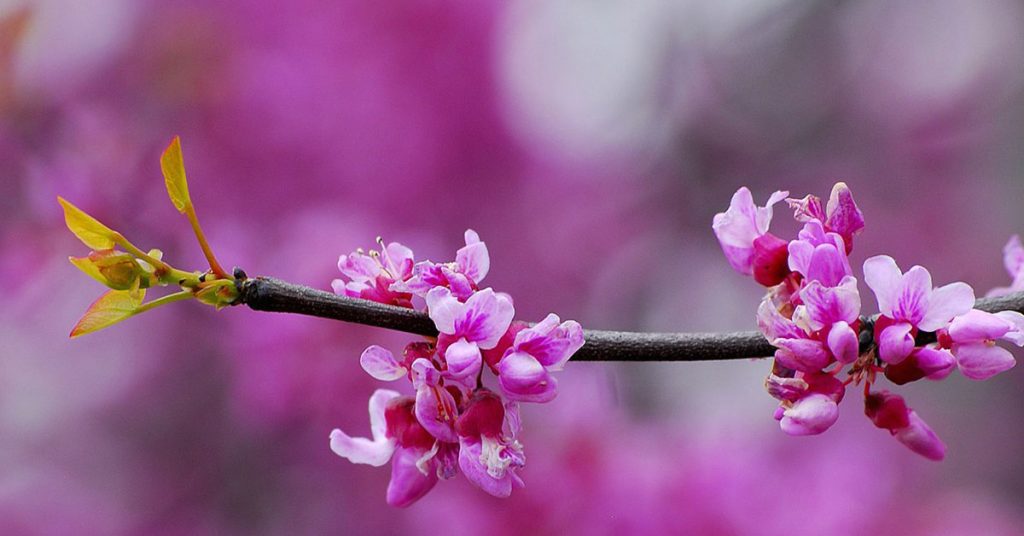
Eastern Redbud is a small deciduous tree native to eastern North America. It is celebrated for its striking pink to purple spring blossoms that emerge directly on its branches and trunk before the leaves appear. These flowers attract a variety of pollinators, including bees and butterflies, making it an early food source for these vital insects.
The heart-shaped leaves provide cover for birds and small mammals, and the tree’s seeds are consumed by birds such as cardinals and quail. Eastern Redbud’s beautiful flowers, unique growth habit, and wildlife value make it an excellent choice for creating a vibrant and diverse garden. Its adaptability to different soil types and conditions further enhances its appeal for gardeners looking to support local ecosystems.
Black Cherry (Prunus serotina)
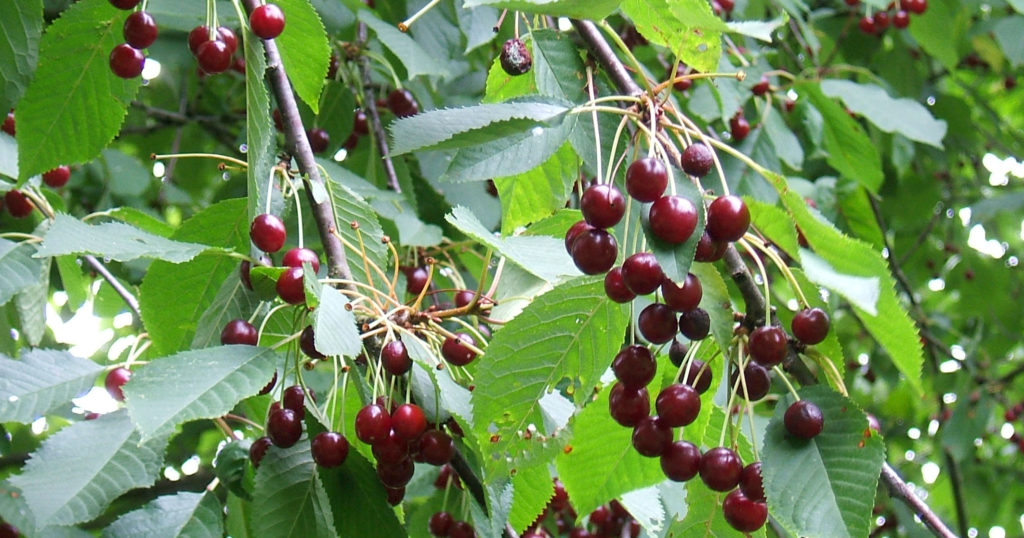
Black Cherry is a native tree to North America, renowned for its valuable fruit and beautiful, glossy foliage. The small black cherries produced in late summer are a favorite among birds, including thrushes, woodpeckers, and warblers. Mammals such as raccoons and foxes also enjoy the fruit. The flowers of the black cherry tree, which appear in the spring, attract numerous pollinators, including bees and butterflies.
The bark of the black cherry tree provides habitat for various insects, which in turn attract insectivorous birds. The tree’s dense foliage offers excellent nesting sites and cover for wildlife. Black Cherry’s combination of fruit production, pollinator attraction, and habitat provision make it a cornerstone species for any wildlife-friendly yard.
Flowering Dogwood (Cornus florida)
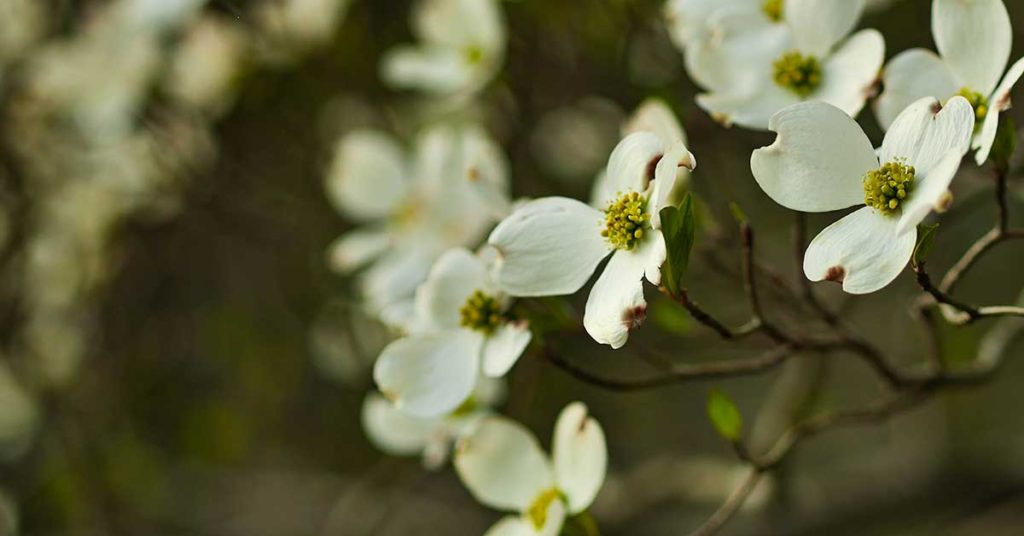
Flowering Dogwood is a beautiful deciduous tree native to the eastern United States. It is known for its stunning spring flowers, which can be white or pink, and its bright red berries that ripen in the fall. These berries are a crucial food source for many bird species, including robins, bluebirds, and cardinals. The flowers also attract pollinators such as bees and butterflies.
The tree’s horizontal branching structure provides excellent nesting sites and cover for birds. In the fall, the leaves turn a vibrant red, adding visual interest to your garden. Flowering Dogwood’s aesthetic beauty and ecological benefits make it a perfect choice for gardeners looking to support wildlife while enhancing their yard’s visual appeal.
Mulberry (Morus spp.)

Mulberries are deciduous trees known for their abundant fruit that attracts a wide variety of wildlife. Native to North America, Asia, and Africa, mulberries produce sweet, juicy berries in the summer that are favored by birds, including orioles, woodpeckers, and warblers. Mammals such as raccoons, opossums, and squirrels also feast on the fruit.
The dense foliage of mulberry trees provides excellent cover and nesting sites for birds and other small animals. The trees are also host to numerous insect species, which in turn attract insectivorous birds. Mulberries’ prolific fruit production and habitat provision make them an excellent choice for a wildlife-friendly yard.
Willow (Salix spp.)

Willows are fast-growing trees that thrive in wet conditions and are native to many parts of the world, including North America, Europe, and Asia. They are known for their flexible branches and long, narrow leaves. Willows provide habitat and food for a variety of wildlife, including birds, insects, and small mammals. The catkins produced in the spring are a vital food source for early pollinators.
The dense canopy of willow trees offers excellent cover and nesting sites for birds. Willows also support a diverse range of insects, including caterpillars, which are a crucial food source for many bird species during the breeding season. Planting a willow tree can significantly enhance the biodiversity of your yard, providing numerous ecological benefits.
Tulip Tree (Liriodendron tulipifera)
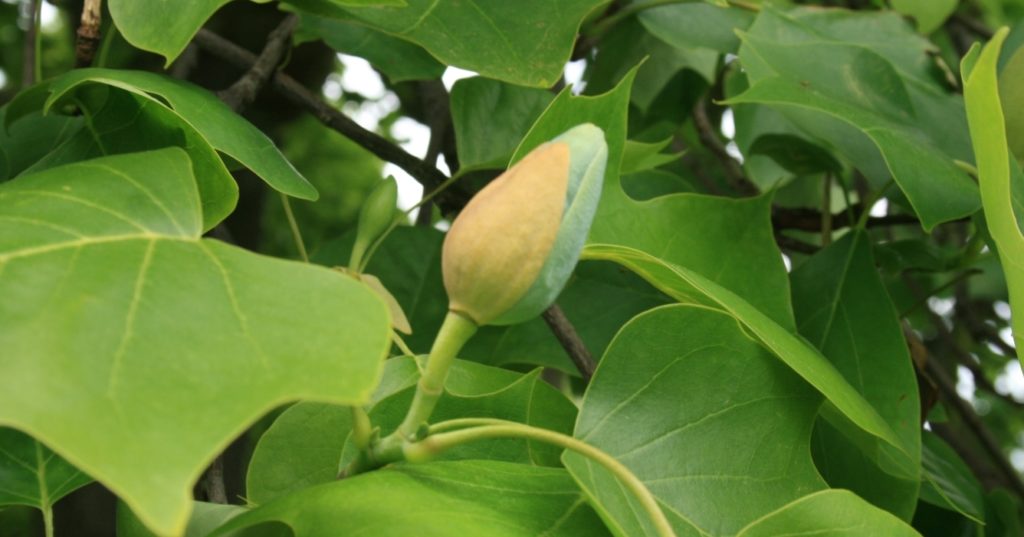
Tulip Tree, also known as Yellow Poplar, is a large deciduous tree native to eastern North America. It is named for its tulip-shaped flowers that bloom in the spring, attracting bees and butterflies. The flowers are followed by cone-like fruit that provide food for birds and small mammals in the fall.
The tall, straight trunk and wide canopy of the Tulip Tree provide excellent nesting sites and shelter for birds. The leaves and flowers also attract various insects, adding to the tree’s ecological value. Tulip Tree’s combination of striking flowers, fruit production, and habitat provision make it a standout choice for a wildlife-friendly garden.
Sassafras (Sassafras albidum)

Sassafras is a small to medium-sized deciduous tree native to eastern North America. It is known for its aromatic leaves, bark, and roots, which have been used for various medicinal and culinary purposes. The tree produces small yellow flowers in the spring that attract pollinators, followed by blue-black berries that are favored by birds and mammals.
The unique mitten-shaped leaves of the sassafras tree provide good cover for wildlife, and the tree’s aromatic qualities make it a distinctive addition to any garden. Sassafras supports a variety of insects, including caterpillars, which attract insectivorous birds. Planting sassafras can enhance the biodiversity of your yard and support a wide range of wildlife.
Hawthorn (Crataegus spp.)

Hawthorns are small deciduous trees native to North America, Europe, and Asia. They are known for their white or pink spring blossoms and bright red berries that ripen in the fall. These berries are an important food source for birds, including thrushes, waxwings, and finches. The flowers attract pollinators, such as bees and butterflies.
Hawthorns have thorny branches that provide excellent protection and nesting sites for birds. The dense foliage offers good cover, and the trees support various insect species, enhancing their ecological value. Hawthorns’ combination of flowers, fruit, and protective habitat make them an excellent choice for a wildlife-friendly garden.