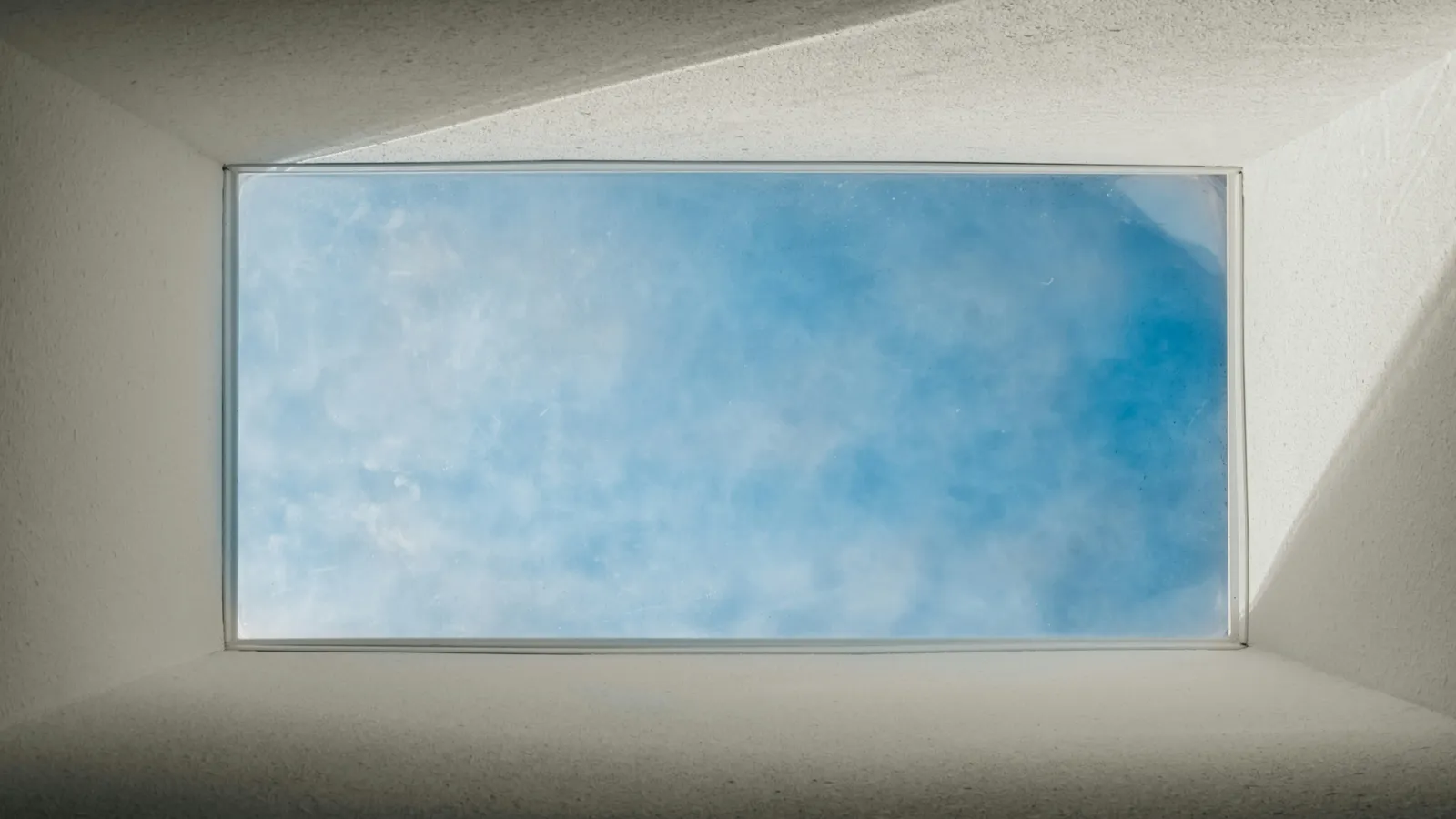

Many homeowners notice how a dim interior can affect daily mood and energy use, especially in spaces that rely heavily on artificial lighting during daylight hours. Adding a skylight to a tiled roof offers a direct way to address this by channeling sunlight into living areas that might otherwise stay shadowed. The approach suits Australian homes, where concrete and terracotta tiles remain common, and it delivers both visual warmth and practical ventilation benefits when chosen thoughtfully.
Why Natural Light Matters in Modern Homes
Natural light changes the feel of a room more effectively than most other improvements. It reduces the need for daytime electricity and creates a connection to the outdoors that artificial sources cannot match. In tiled-roof houses, which often feature steeper pitches suited to skylight frames, this upgrade works particularly well because the roof structure already supports the necessary drainage and sealing details. Homeowners frequently report that previously underused spaces become favourite spots once sunlight reaches them consistently. South-facing placements tend to provide steady, even illumination throughout the day, while north-facing options bring stronger warmth in cooler months. The choice depends on the room’s purpose and local climate patterns.
Selecting the Right Skylight Type
Fixed skylights remain the simplest option when the main goal is added brightness without extra mechanisms. These sealed units require minimal upkeep and suit bedrooms or hallways where airflow is less critical. Ventilated models, by contrast, allow manual or electronic opening, which helps manage indoor temperatures during warmer periods. Tubular skylights offer another route for compact areas such as bathrooms or corridors. They use reflective tubes to direct light from a small roof opening, making them less intrusive on the tiled surface. Each style pairs with specific flashing kits matched to the tile profile, whether flat, profiled, or interlocking.
Key Steps in the Installation Process
Successful installation begins with careful location planning. Measure the intended space against the room’s floor area, aiming for roughly five percent coverage where windows already exist or fifteen percent in fully enclosed rooms. Check for rafters, wiring, and plumbing from both inside and the roof cavity before marking the opening. Once the site is confirmed, remove tiles from the marked area working downward, then cut through underlay and battens. Structural headers may be needed if rafters must be trimmed. The frame is secured level, followed by flashing installed from bottom to top to direct water away. Final sealing and tile replacement complete the weatherproofing. – Confirm roof pitch falls between 15 and 85 degrees for proper drainage.
– Use manufacturer-specified flashing matched to tile type.
– Work on dry days to limit moisture exposure during cutting.
– Test seals thoroughly before finishing.
Regulatory, Cost, and Maintenance Factors
In most Australian states, straightforward skylight projects qualify as exempt development provided they do not alter major structural elements. Cutting through load-bearing members or working on heritage properties typically requires council approval to keep insurance valid. Consulting a licensed professional early clarifies local rules and avoids later complications. Pricing varies with unit type and site access. Basic fixed skylights start around several hundred dollars, while premium ventilated versions exceed two thousand. Professional labour often ranges from eight hundred to twenty-five hundred dollars, though DIY saves that portion at the cost of time and tool rental. Annual inspections of seals and flashing, plus periodic glass cleaning, keep the installation performing reliably for years. The decision to add a skylight ultimately rests on how much value a homeowner places on brighter, more inviting interiors. When planned with attention to tile compatibility, weatherproofing, and regulations, the result integrates smoothly into the existing roof and delivers lasting improvements to daily living.
AI Disclaimer: This article was created with the assistance of AI tools and reviewed by a human editor.