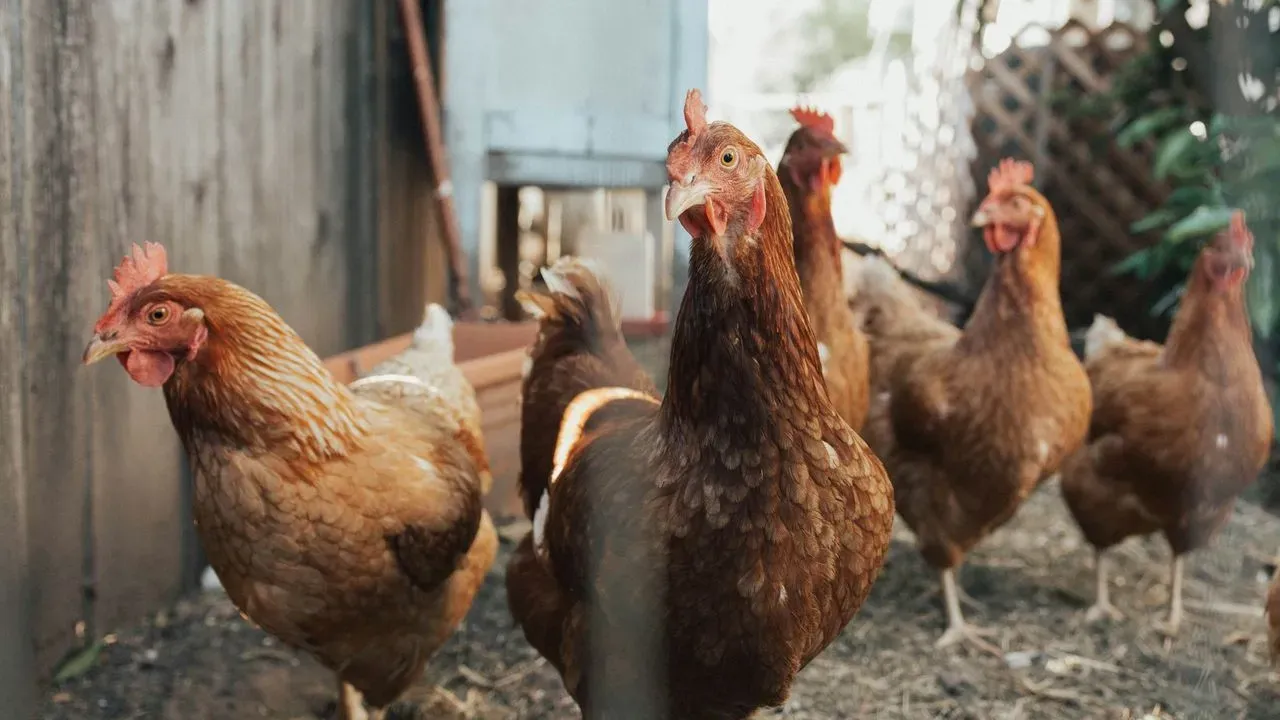

The tradwife trend has drawn widespread attention to older patterns of home life, particularly the routines of tending vegetable gardens and keeping backyard chickens. These activities feature prominently in online content that celebrates self-sufficiency and domestic skills. Beyond their visual presence on social platforms, such habits carry documented associations with better long-term health.
Context of the Trend
The tradwife aesthetic draws from earlier decades when many households maintained small-scale food production. Gardening and poultry keeping formed part of daily life rather than optional hobbies. Today the trend reframes these tasks as deliberate choices that align with values of simplicity and hands-on work. The shift has increased visibility for practices once viewed as routine or outdated.
Gardening as a Core Element
Vegetable gardens require regular physical effort, from soil preparation to harvesting. Participants often spend time outdoors, which supports consistent movement and exposure to natural light. The process also encourages seasonal eating patterns tied directly to what is grown. These elements combine in ways that fit broader patterns of activity linked to sustained well-being.
Role of Keeping Chickens
Raising chickens adds another layer of daily responsibility, including feeding, egg collection, and coop maintenance. The work involves moderate physical tasks and a connection to live animals. Many who adopt the practice report structured routines that extend beyond screen-based activities. Such habits align with the same category of behaviors noted for their health associations.
Health Associations and Remaining Questions
The habits promoted within the trend are associated with better long-term health, according to observations that separate them from purely social-media appeal. This link appears in discussions that connect traditional homesteading tasks to measurable wellness factors. Still, the precise mechanisms and the degree of benefit for different populations remain areas for further examination.
Individual results can vary based on consistency, access to space, and overall lifestyle. What matters now is recognizing that these revived practices carry practical dimensions worth considering alongside their cultural visibility. Continued attention to how such activities fit into modern routines may clarify their place in everyday health strategies.
AI Disclaimer: This article was created with the assistance of AI tools and reviewed by a human editor.