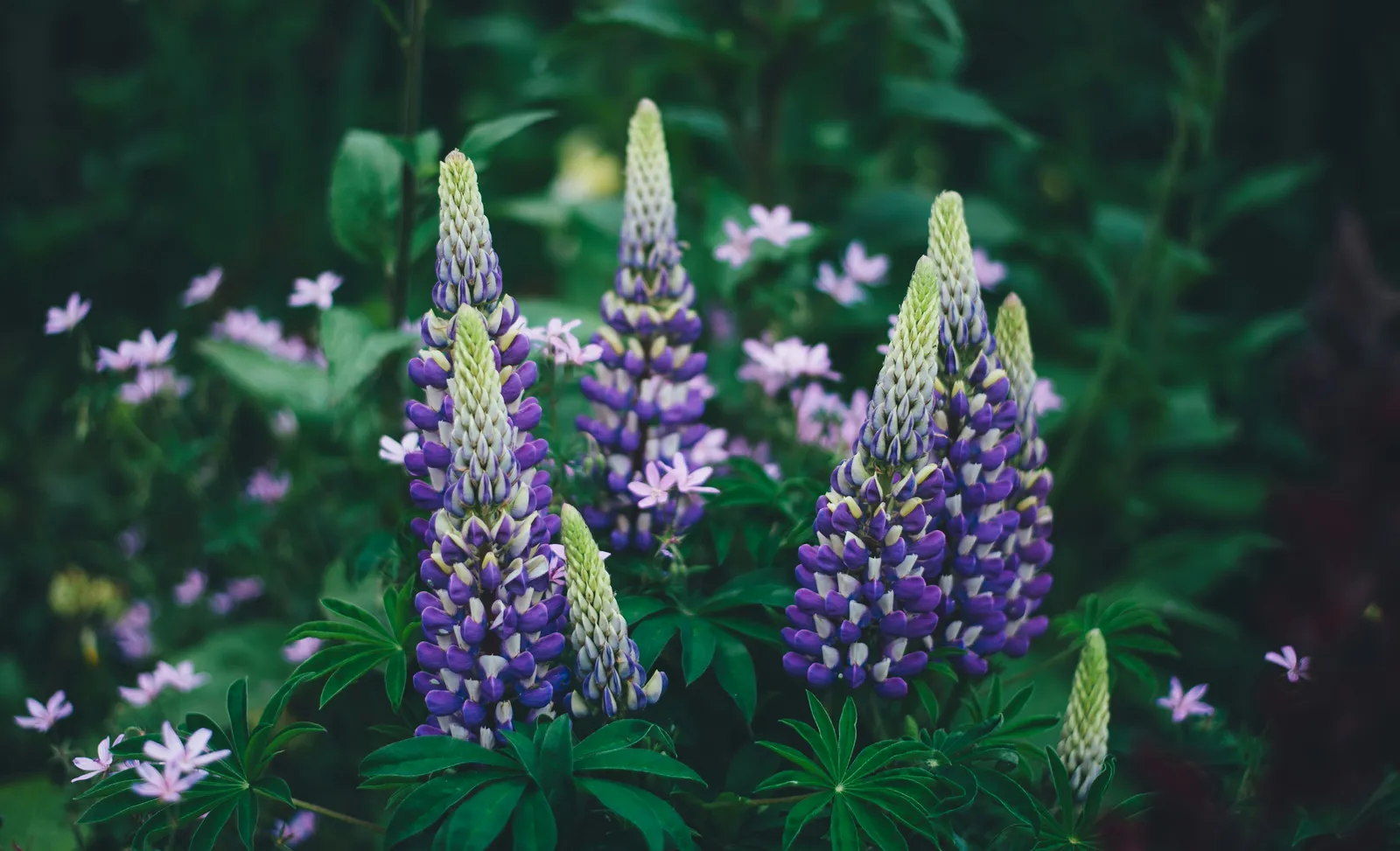

Gardeners across the country continue to rethink their plant choices as awareness grows about supporting local ecosystems. Many familiar perennials and shrubs that once defined traditional landscapes require extra water, fertilizer, or pest control to stay looking their best. In their place, native perennials adapted to regional conditions offer comparable color and structure while demanding less intervention once established. These swaps align with broader efforts to reduce maintenance and improve habitat value without sacrificing visual appeal. The shift often begins with identifying plants that perform similar roles in beds or borders, then selecting regionally appropriate natives that thrive with minimal inputs.
Understanding the Practical Advantages
Native perennials have evolved alongside local soils, climate patterns, and wildlife, which translates into stronger resilience during droughts or heavy rains. They typically need far less supplemental watering after the first year or two compared with many imported varieties bred for uniform appearance rather than toughness. This reduced resource demand appeals to homeowners managing larger properties or those seeking lower ongoing costs. Pollinators and birds also benefit directly, as these plants provide nectar, seeds, and shelter that non-native options often cannot match at the same scale.
Key Swaps That Maintain Garden Style
Several common choices have straightforward native counterparts that preserve the intended look while adding ecological value. Hybrid tea roses, prized for their formal blooms, can give way to purple coneflower selections that deliver similar summer color and attract butterflies throughout the season. English lavender beds frequently transition to wild bergamot, which produces comparable fragrant spikes and supports a wider range of native bees. Daylilies that carpet sunny slopes find echoes in black-eyed Susan varieties, offering extended bloom times and seed heads that sustain finches into fall. Gardeners replacing compact shrubs such as Japanese barberry often turn to Virginia sweetspire for its reliable foliage interest and white flower clusters that draw pollinators in late spring.
Building a More Resilient Landscape Over Time
Successful transitions usually happen gradually rather than all at once. Starting with one or two high-visibility beds allows observation of how new plants interact with existing soil and light conditions before expanding further. Many native perennials establish deeper root systems that improve soil structure and reduce erosion on slopes. They also tend to resist common pests and diseases that plague non-adapted species, cutting the need for chemical treatments. Over several seasons, these changes compound into noticeably lower water bills and fewer hours spent on routine care, while the garden gains layers of seasonal interest from early spring ephemerals through late autumn seed heads.
Getting Started With Regional Selections
Local extension services and native plant societies provide tailored lists that account for specific hardiness zones and soil types. Sourcing plants from nurseries specializing in regional stock helps ensure genetic suitability and avoids introducing new invasives. Initial soil preparation remains important, yet most natives settle in with standard mulching and occasional deep watering during establishment. Monitoring for the first full year reveals how quickly the planting matures into a lower-maintenance feature that continues to evolve with minimal input. The result is a garden that looks intentional year after year while quietly contributing to healthier surrounding habitats.
AI Disclaimer: This article was created with the assistance of AI tools and reviewed by a human editor.