

The winter solstice marks the longest night of the year and the return of longer days. It’s a time steeped in tradition and symbolism, making it the perfect occasion to infuse your garden with plants that honor this celestial event. As a passionate gardener, I find immense joy in selecting plants that not only beautify my garden during the chilly months but also support local wildlife and embody the spirit of renewal and resilience that the solstice represents.
Choosing the right plants for your winter solstice garden can transform your outdoor space into a magical sanctuary. Whether you’re aiming to attract birds, provide shelter for insects, or simply add vibrant colors to the winter landscape, there’s a perfect plant for every gardener. Let’s dive into some of the top plants that can make your winter solstice celebration truly special, ensuring your garden remains lively and enchanting even in the depths of winter!
Winterberry (Ilex verticillata)

Winterberry is a brilliant choice for adding vibrant color to your winter solstice garden. Native to North America, this deciduous holly produces stunning bright red berries that persist throughout the winter, creating a striking contrast against the snowy backdrop. The bright berries not only enhance the visual appeal of your garden but also serve as a crucial food source for birds like robins and cedar waxwings during the colder months.
Winterberry is a non-invasive species, making it a safe addition to various garden settings without posing a threat to native plants. The shrub’s dense foliage provides excellent shelter for birds, encouraging them to nest and stay in your garden longer. Additionally, winterberry’s adaptability to different soil types and conditions makes it a versatile plant for gardeners facing challenges like poor soil or fluctuating winter temperatures. I absolutely adore how winterberry brings life and movement to my garden, even when everything else is dormant!
Witch Hazel (Hamamelis virginiana)

Witch Hazel is another fantastic plant to celebrate the winter solstice, renowned for its fragrant, spider-like flowers that bloom in late fall and early winter. Native to North America, this hardy shrub thrives in a variety of soil conditions and is well-suited to both full sun and partial shade. The vibrant yellow or red flowers provide a beautiful splash of color when most other plants have ceased blooming, making Witch Hazel a standout feature in any winter garden.
Beyond their beauty, Witch Hazels are excellent for attracting pollinators such as bees and butterflies, which are emerging from their winter dormancy. The dense branches of the shrub also offer excellent nesting sites for birds and other small wildlife, fostering a lively and dynamic ecosystem. Importantly, Witch Hazel is not considered invasive, allowing it to blend seamlessly with native plants without causing ecological disruption. I find it incredibly rewarding to watch Witch Hazel support the garden’s biodiversity while adding its unique charm to the winter landscape!
Camellias (Camellia spp.)

Camellias are exquisite evergreen shrubs that add lush greenery and vibrant blooms to your winter solstice garden. Native to East Asia, these plants are prized for their large, showy flowers that come in a range of colors, including pink, red, and white. Camellias thrive in partial shade and well-drained, acidic soil, making them perfect for areas of the garden that receive filtered sunlight during the shorter days of winter.
These beautiful blooms are not only visually appealing but also attract a variety of pollinators, including bees and hummingbirds, which continue to be active even in cooler temperatures. Camellias are not invasive, ensuring they remain a harmonious addition to your garden without threatening native plant species. Additionally, their dense foliage provides excellent cover for small birds and insects, encouraging wildlife to take refuge in your garden. I love how camellias bring a touch of tropical elegance to my winter garden, creating a warm and inviting atmosphere even in the coldest months!
Christmas Rose (Helleborus niger)

Despite the similar name, the Christmas Rose is a specific type of hellebore known for its pure white flowers that bloom in mid-winter. Native to Europe, Helleborus niger is a resilient perennial that thrives in shaded areas, making it an excellent choice for gardens with limited sunlight during the winter months. The delicate, nodding flowers add a serene and graceful element to your winter solstice garden, evoking a sense of calm and tranquility.
Christmas Roses are particularly effective at attracting pollinators such as early bees and butterflies that brave the cold to visit these hardy flowers. Their ability to withstand frost and snow ensures that they remain a steadfast presence in your garden, providing continuous beauty and support for wildlife. Importantly, Helleborus niger is not invasive, allowing it to coexist peacefully with other native plants. I find immense joy in the quiet elegance that Christmas Roses bring to my garden, serving as a beautiful reminder of nature’s resilience and beauty during the darkest days of winter!
Winter Jasmine (Jasminum nudiflorum)

Winter Jasmine is a delightful vine that blooms vibrantly against the winter landscape, making it a perfect addition to your solstice garden. Native to China, Jasminum nudiflorum is known for its bright yellow flowers that appear on bare stems before the leaves emerge in spring. This early bloomer not only adds a cheerful splash of color but also attracts pollinators eager for nectar in the colder months.
Winter Jasmine is a non-invasive plant, making it a safe choice for various garden settings. Its flexible, arching branches provide excellent support for birds to perch and build nests, while the dense foliage offers shelter from harsh winter winds. Additionally, the vibrant flowers can serve as a natural attractant for beneficial insects, promoting a healthy and balanced garden ecosystem. I absolutely love how Winter Jasmine brings a burst of sunshine to my garden during the bleak winter months, creating a lively and welcoming environment that celebrates the solstice with joy and vibrancy!
Yew (Taxus baccata)
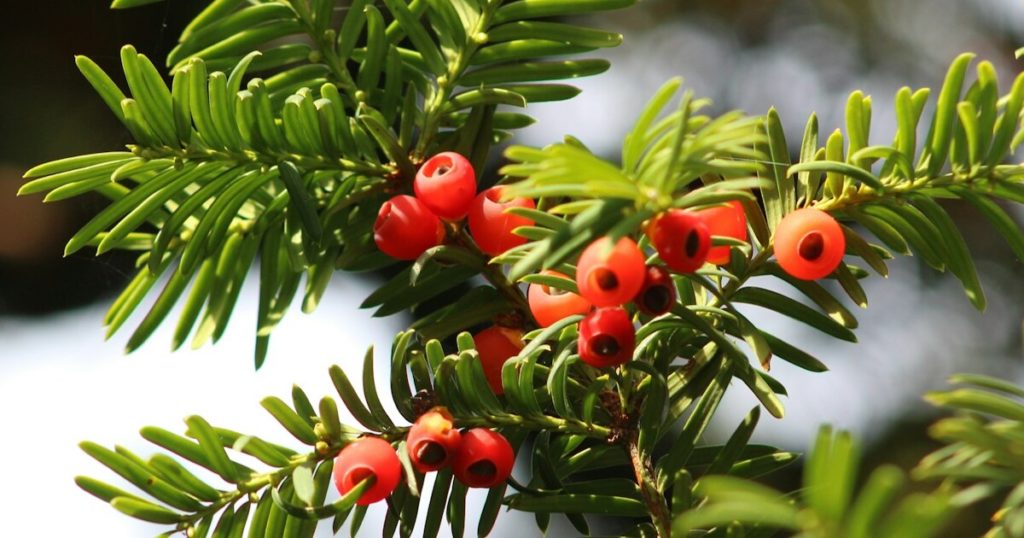
Yew is a classic evergreen that adds both structure and beauty to your winter solstice garden. Native to Europe, Yew trees are renowned for their dense, dark green foliage and their ability to thrive in a variety of soil conditions, including shade. The glossy leaves and striking red berries provide year-round interest, making Yew a versatile choice for any garden setting. Its longevity and resilience make it a symbol of endurance and eternity, perfectly aligning with the themes of the winter solstice.
Yew trees are not considered invasive, allowing them to blend seamlessly with other native plants without disrupting the local ecosystem. The dense branches offer excellent nesting sites for birds, providing them with a safe haven during the winter months. Additionally, the berries are a valuable food source for various bird species, encouraging wildlife to visit your garden regularly. I find Yew to be an indispensable part of my winter garden, offering both aesthetic appeal and ecological benefits that enhance the overall health and beauty of the garden!
Snowdrops (Galanthus nivalis)
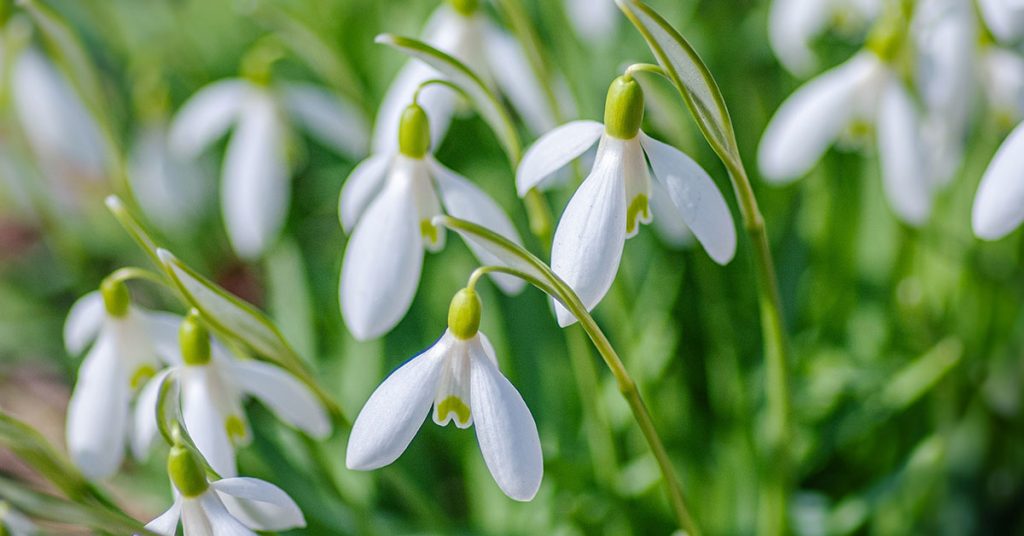
Snowdrops are among the earliest bloomers of the year, often piercing through the snow to herald the arrival of spring. Native to Europe, Galanthus nivalis is a charming bulbous plant known for its delicate, nodding white flowers with green markings. These hardy perennials thrive in well-drained soil and partial shade, making them ideal for gardens that experience heavy winter snowfall. The graceful appearance of snowdrops adds a touch of elegance and hope to your winter solstice garden, symbolizing purity and renewal.
Snowdrops are not invasive, allowing them to coexist peacefully with other native plants and enhancing the biodiversity of your garden. Their early blooming period attracts early pollinators, such as bees, which are eager to collect nectar after a long winter. Additionally, snowdrops provide an important food source for insects emerging from hibernation, supporting the garden’s ecosystem during the crucial transition from winter to spring. I adore how snowdrops add a subtle yet profound beauty to my garden, serving as a gentle reminder of the promise of new beginnings and the cyclical nature of life!
Elderberry (Sambucus nigra)
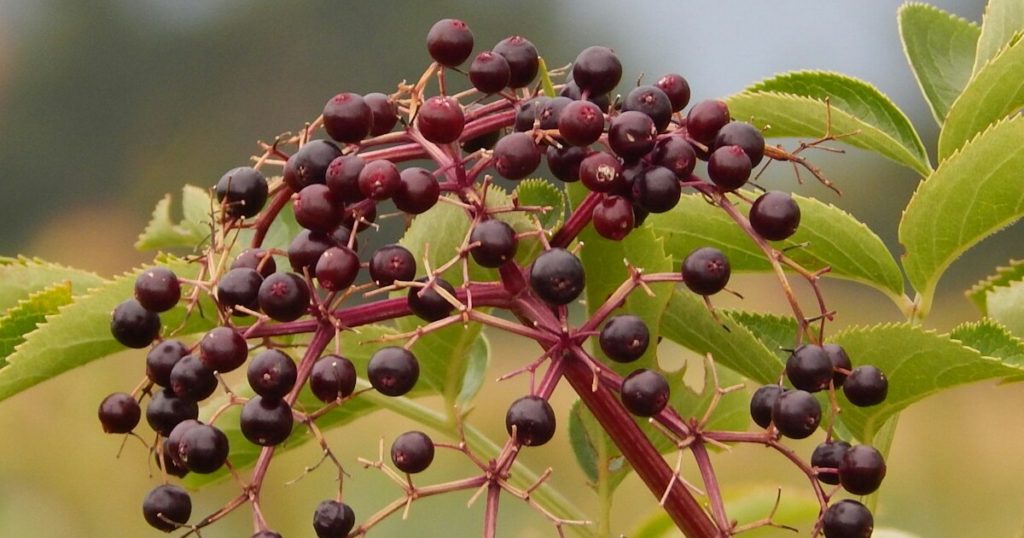
Elderberry is a versatile and hardy shrub that plays a significant role in winter gardens, especially during the solstice. Native to Europe, Sambucus nigra is renowned for its clusters of dark purple berries and fragrant white flowers that bloom in late summer and persist into the winter months. These berries are not only visually appealing but also provide essential food for birds and other wildlife during the scarce winter months. Additionally, elderberries are prized for their medicinal properties, making them a valuable addition to any garden.
Elderberry is a non-invasive species, ensuring that it remains a beneficial and harmonious component of your garden without threatening native flora. The dense growth habit of elderberry provides excellent shelter for birds, protecting them from harsh winter winds and predators. Moreover, the flowers attract beneficial insects, including pollinators and natural pest controllers, promoting a balanced and healthy garden ecosystem. I find elderberry to be an invaluable plant in my winter solstice garden, offering both beauty and functionality that enriches the overall garden experience!
Holly (Ilex aquifolium)
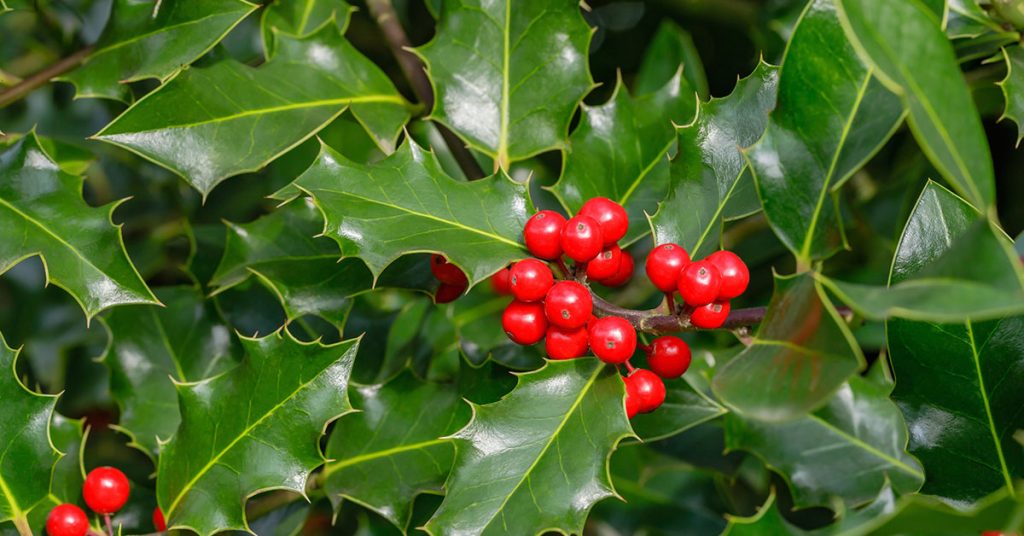
Holly is a quintessential winter plant that perfectly embodies the spirit of the solstice with its glossy evergreen leaves and bright red berries. Native to Europe, Ilex aquifolium is a versatile shrub or small tree that thrives in a variety of soil types and conditions, including shade. The vibrant berries provide a striking contrast against the green foliage, adding visual interest and festive charm to your winter garden. Holly is not only beautiful but also serves as a vital food source for birds during the winter months.
Holly is a non-invasive species, making it a safe and sustainable choice for enhancing your garden’s winter appeal. The dense, spiny leaves offer excellent protection for birds, creating safe nesting sites and shelter from the elements. Additionally, the berries attract a wide range of bird species, encouraging them to visit and stay in your garden longer. I absolutely love how holly brings both color and life to my winter garden, creating a lively and dynamic environment that celebrates the solstice with tradition and natural beauty!
Conclusion
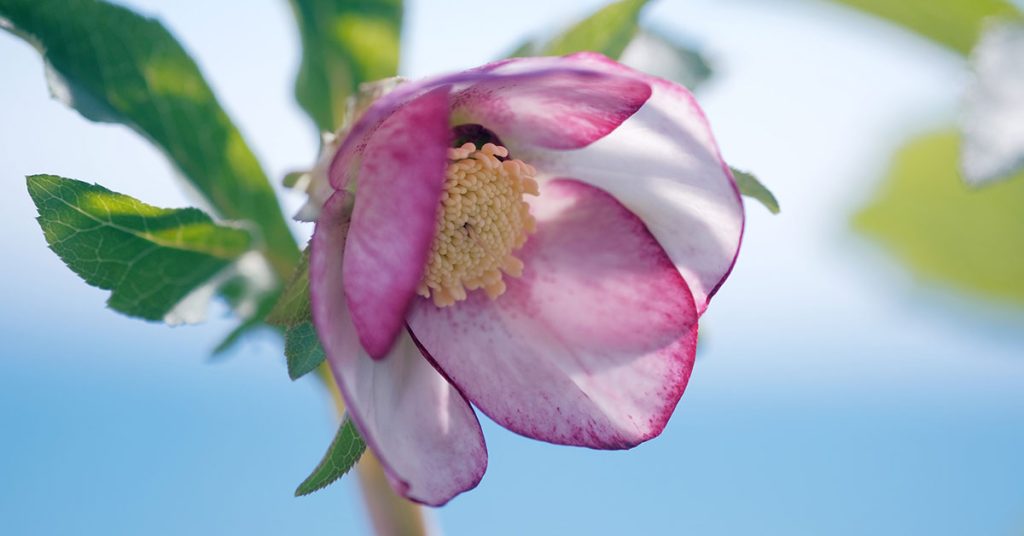
Celebrating the winter solstice in your garden is a wonderful way to honor the season’s unique beauty and the natural cycles that govern our world. By incorporating a variety of native, non-invasive plants like hellebores, winterberry, witch hazel, camellias, and others, you can create a vibrant and supportive environment for both wildlife and your own winter enjoyment. These plants not only add color and structure to your garden during the cold months but also provide essential resources for pollinators, birds, and other beneficial creatures.
Embrace the magic of the winter solstice by thoughtfully selecting and nurturing these top plants, transforming your garden into a sanctuary of life and beauty even in the depths of winter. Whether you’re seeking to attract wildlife, add festive decorations, or simply enjoy the resilience and elegance of these hardy plants, each choice enriches your garden and celebrates the longest night of the year with grace and vitality.