

Perennial vegetables are the unsung heroes of a low‑maintenance, eco‑friendly garden. Once established, these resilient plants return year after year, reducing soil disturbance from annual tilling and fostering rich, biodiverse habitats. I know how tempting it is to sow endless rows of tender annuals, but there’s something deeply satisfying about a garden bed that thrives on its own momentum. Imagine waking to fresh asparagus spears in spring, harvesting crisp garlic chives through summer, and gathering robust rhubarb stalks well into fall—without replanting each season!
By choosing perennial edibles, you’re also inviting a host of beneficial insects and soil‑dwelling helpers to nest in your beds. Earthworms tunnel beneath your sorrel patch, ladybugs find refuge in lovage foliage, and mason bees carve out nests in hollow artichoke stems. None of these carefully selected perennials are invasive if you manage them responsibly—instead, they create a self‑sustaining ecosystem that rewards you with flavorful harvests and fewer chores. Ready to explore fifteen of my go‑to perennial veggies? Let’s get growing!
Good King Henry (Blitum bonus-henricus)

This under‑appreciated green, also called perennial spinach, hails from Europe’s limestone soils and isn’t invasive in well‑managed gardens. Its tender young shoots taste like spinach, and I love snipping them for spring salads! Good King Henry’s sprawling habit provides perfect hiding spots for ground beetles, which patrol for slug eggs under the soil litter.
To cultivate, plant crowns in rich, well‑drained soil with partial shade. Thin shoots to about 12 inches apart to encourage vigorous growth, and remove any flowering stalks if you want to maintain leaf production. It’s such a bummer when a lush patch bolts too early, but with regular harvesting and compost mulch, you’ll keep fresh shoots coming for years!
Asparagus (Asparagus officinalis)

Native to Europe, northern Africa, and western Asia, asparagus isn’t invasive in temperate gardens and has been a staple vegetable for millennia. One of my favorite plants for spring harvests, a three‑year‑old bed yields abundant spears that beckon pollinators when allowed to flower. Those airy, ferny fronds later host lacewings nesting among their feathery stems!
Plant one‑year crowns in gritty, fertile soil with full sun. Space crowns 12–18 inches apart in trenches amended with compost. Once established, avoid cutting spears in the first two seasons to build strong roots. With minimal weeding and annual compost side‑dressing, you’ll enjoy decades of sustainable spears.
Walking Onion (Allium × proliferum)

Also known as Egyptian onion, this hardy Allium is native to Central Asia and forms clusters of edible bulblets atop its scapes. It won’t run wild like some onions, but it does form tidy clumps you can divide every few years. The hollow stems make cozy nests for tiny solitary bees seeking narrow tunnels!
Plant bulblets or divisions in full sun to light shade, spacing 6–8 inches apart in well‑drained soil. Harvest greens and bulblets throughout the season; leave some bulblets to reseed gently. Their low‑maintenance habit and pest‑repelling sulfur compounds make walking onions invaluable in a sustainable garden.
Sea Kale (Crambe maritima)

Originally from European coastlines, sea kale thrives in sandy, well‑drained soil and isn’t invasive inland. Its large, glaucous leaves and brassica‑like blooms invite hoverflies and parasitic wasps to nest among the foliage, offering natural aphid control! I adore blanching its tender shoots for an elegant asparagus substitute.
Plant crowns about 18 inches apart in a sunny bed enriched with compost. Hill soil around emerging shoots in early spring to blanch naturally or cover with pots for perfect ivory stems. Even after harvest, sea kale’s dramatic leaves remain a conversation piece and habitat for beneficial insects.
Malabar Spinach (Basella alba)

This tropical vine, native to India and Southeast Asia, performs beautifully as a perennial in warm climates and as an annual elsewhere. It’s non‑invasive when contained in beds or supportive trellises. The succulent stems provide nesting crevices for lady beetles, which patrol for aphids on its glossy leaves!
Grow in fertile, moist soil with full sun to partial shade. Train vines on sturdy supports and pinch tips to encourage branching. Regular harvesting of tender tips promotes lush growth; just watch out for slug activity in damp weather. Malabar spinach’s stunning magenta stems and carefree habit make it a sustainable superstar.
Horseradish (Armoracia rusticana)
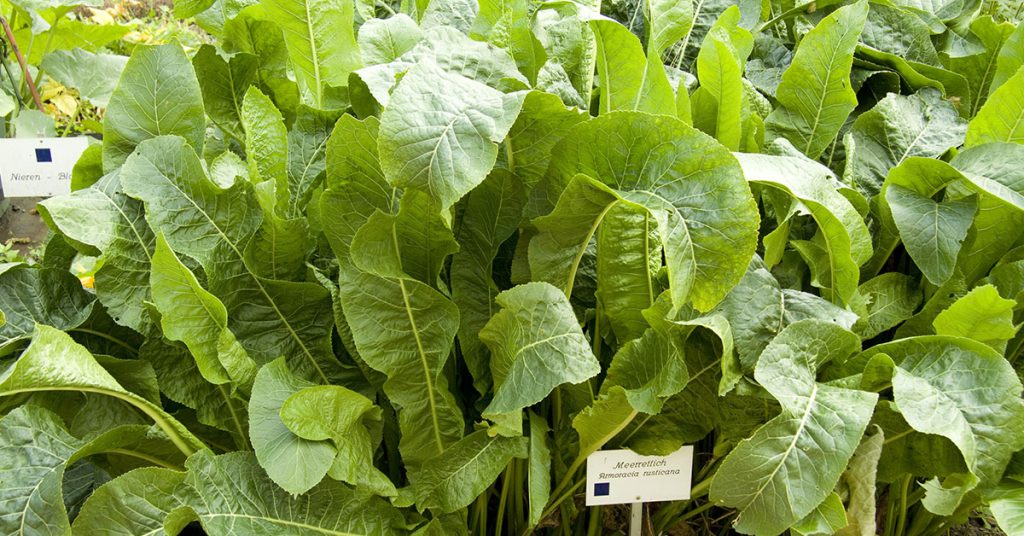
Hailing from southeastern Europe and western Asia, horseradish can spread if you let root pieces remain—but strategic containment in beds stops unwelcome volunteers. Its robust rhizomes invite earthworms to nest and aerate the soil, enhancing fertility naturally! Those creamy, pungent roots are a gardener’s spicy secret.
Plant root divisions 12–18 inches apart in deep, loose soil rich in organic matter. Mulch heavily to retain moisture, and harvest roots in fall after foliage dies back. With proper division every few years, you’ll maintain vigor and prevent over‑spread, ensuring a perennial source of fiery horseradish sauce.
Sorrel (Rumex acetosa)
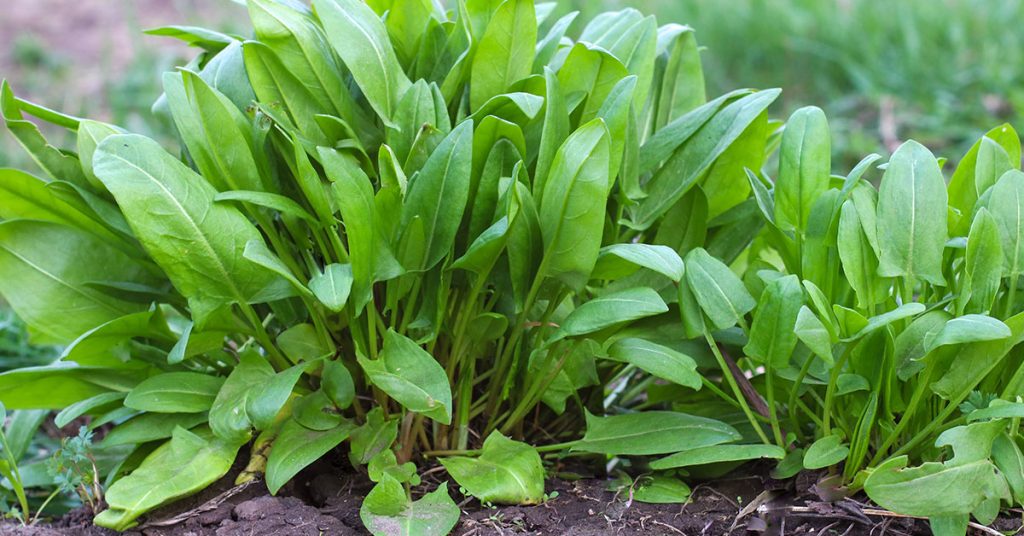
Native to Europe and Asia, common sorrel isn’t invasive in home beds and makes a delightful lemony addition to salads and soups. Its broad leaves create cool, shaded ground cover—perfect nesting real estate for ground‑beetle guardians of your garden!
Grow in full sun to partial shade in moist, well‑drained soil enriched with compost. Snip outer leaves continuously, leaving the central rosette intact. In hot weather, provide light afternoon shade to prevent bolting. Sorrel’s reliable leaf production and easy care fit seamlessly into sustainable beds.
Globe Artichoke (Cynara cardunculus var. scolymus)
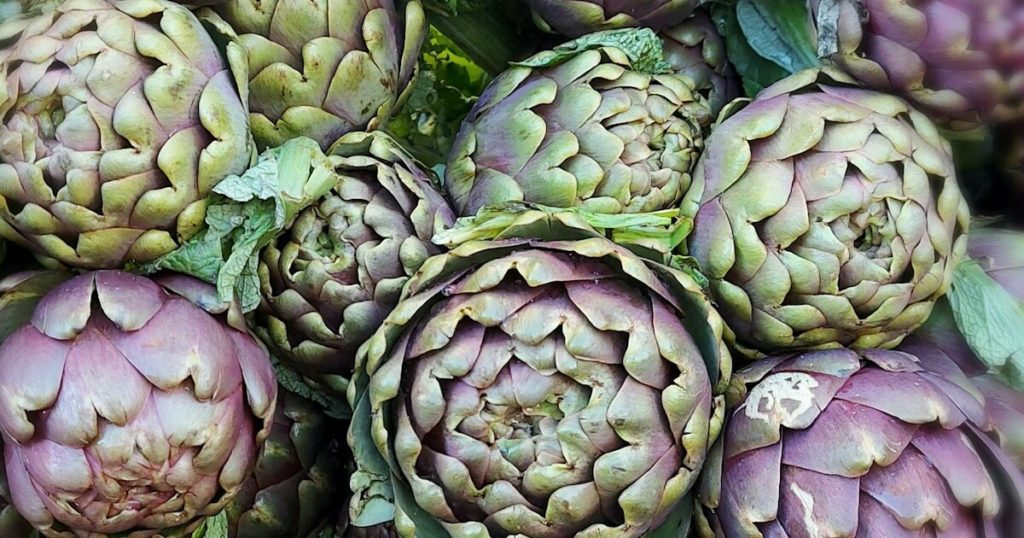
Descended from Mediterranean thistles, globe artichoke isn’t invasive in temperate gardens when crowns are divided and renewed regularly. Those spiky bracts hide tiny nesting cavities for solitary bees seeking sheltered tunnels—nature’s pollinators at work!
Plant crowns in fertile, well‑drained soil with full sun. Space plants 3–4 feet apart to accommodate their broad mounds of silvery foliage. Harvest immature flower buds before they open, and cut back after frost to encourage strong re‑sprouts in spring. With annual compost feedings, you’ll enjoy years of show‑stopping thistle‑like blooms and edible hearts.
Lovage (Levisticum officinale)
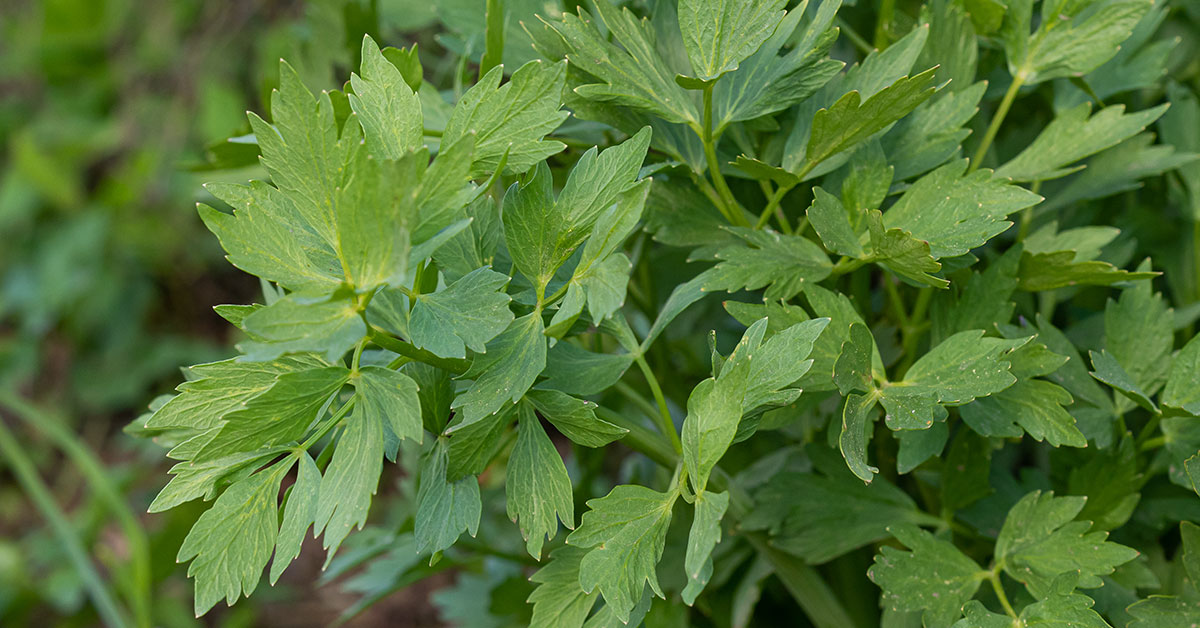
Native to the Mediterranean, lovage forms tall, celery‑like stalks with anise‑scented foliage. It’s non‑invasive and makes a dramatic architectural statement in the garden. Its umbels host beneficial lacewings and predatory wasps nesting among the flowers—natural pest busters!
Grow in rich, moisture‑retentive soil with partial to full sun. Divide crowns every 3–4 years to maintain vigor and spacing. Snip leaves as needed for soups and stews, and harvest seeds for seasoning. A single planting of lovage can supply aromatic stalks all season long.
Perennial Kale (Brassica oleracea var. ramosa)
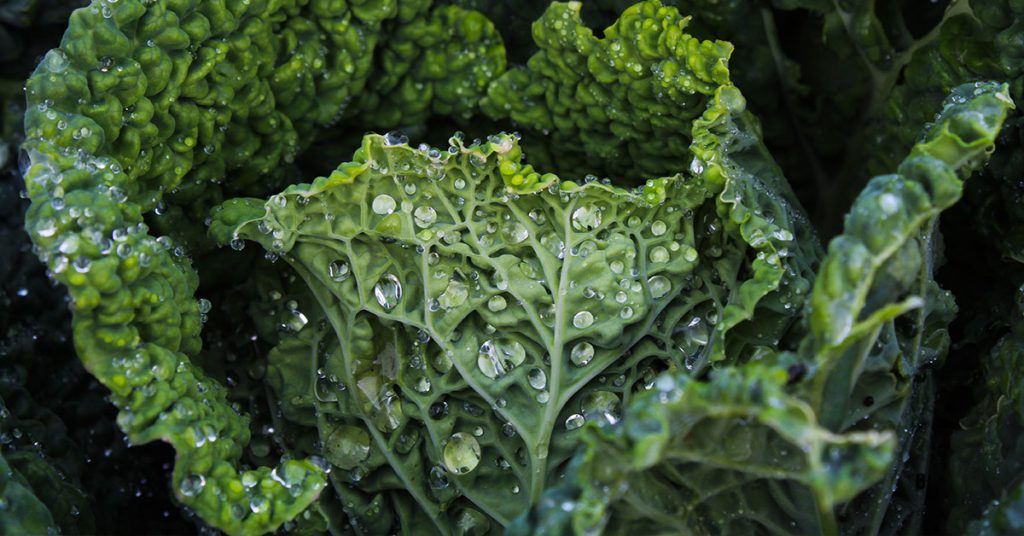
Also called tree kale, this hardy variety hails from Atlantic coastal regions and isn’t invasive when pruned properly. Its branching habit offers nesting pockets for predatory hoverflies and ladybugs, which patrol its leaves for aphids! I’m always thrilled to see those first hardy green leaves after frost.
Plant crowns in fertile, well‑drained soil with full sun. Pinch back growing tips to encourage bushier growth, and remove flower stalks if you want to prolong leaf production. With minimal care and annual compost side‑dressings, perennial kale can feed you through harsh winters.
Rhubarb (Rheum rhabarbarum)
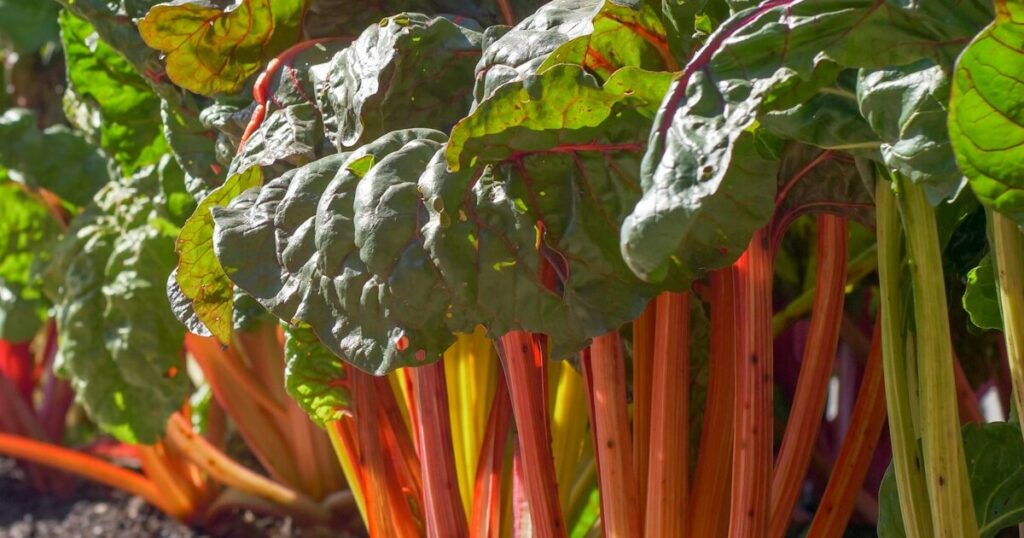
Native to Siberia and parts of Asia, rhubarb isn’t invasive in most home gardens and makes striking red stalks that herald spring! The large leaves create cool microclimates where earthworms nest and enrich the soil with their castings—nature’s tillers at work.
Plant crowns 3 feet apart in deep, fertile, well‑drained soil. Harvest stalks by twisting and pulling gently, avoiding the central buds. Mulch heavily to suppress weeds and retain moisture. With occasional crown division every 5–7 years, you’ll enjoy tart stalks for pies and preserves for decades.
Garlic Chives (Allium tuberosum)
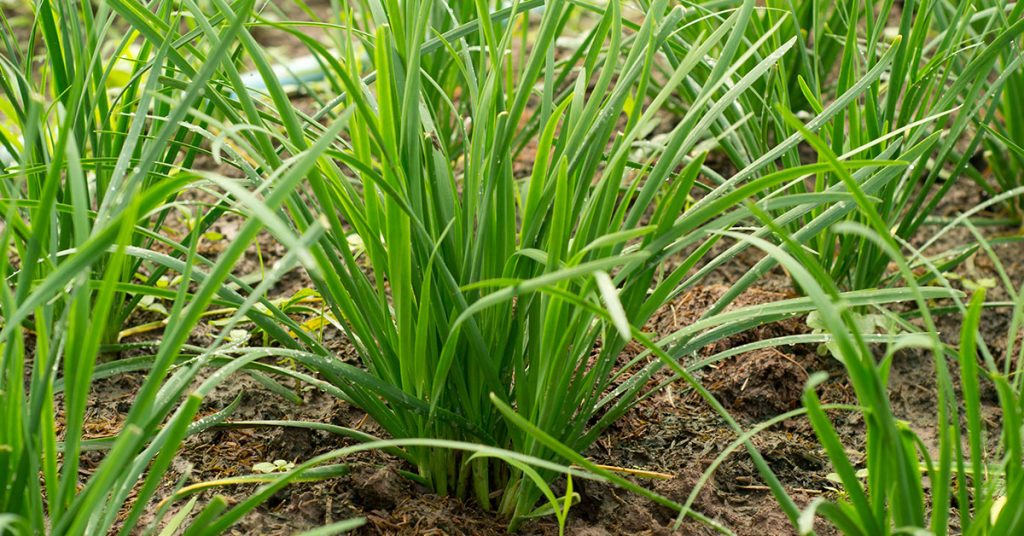
Originating in Asia, garlic chives form tidy clumps that aren’t invasive in managed beds. Their flat, grassy leaves attract beneficial predatory mites and lacewing larvae nesting in crevices—guardians against aphids and other pests! The mild garlic‑onion flavor elevates any savory dish.
Grow in full sun to light shade in fertile, well‑drained soil. Divide clumps every 2–3 years to maintain vigor and prevent overcrowding. Snip leaves and flower stalks regularly to promote fresh growth. Even left to bloom, the starry white flowers attract bees, adding a dual harvest of chives and pollination benefits.
Welsh Onion (Allium fistulosum)
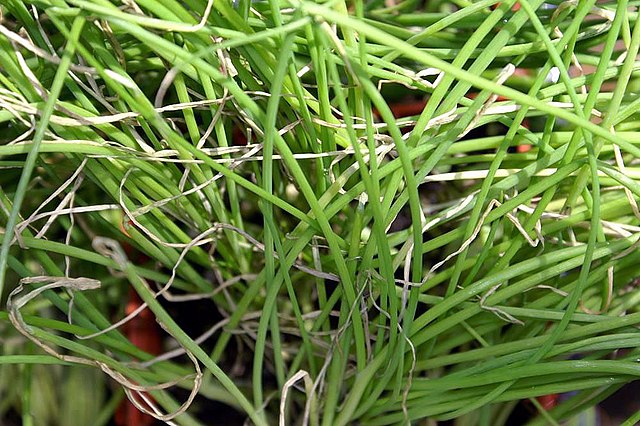
Also called bunching onion, this hardy perennial Allium comes from northeastern Asia and won’t run rampant in garden beds. Its upright stalks create slender nests for tiny solitary bees seeking narrow tunnels in hollow leaves! Plus, those hollow green stalks add fresh onion flavor year after year.
Plant sets or divisions 6 inches apart in fertile, moist soil with full sun. Harvest scallion‑like stalks as needed, and allow some to flower for seed and pollinator attraction. Divide clumps every few seasons to rejuvenate and share with fellow gardeners—no invasive worries here!
Skirret (Sium sisarum)

An old‑world root vegetable from Europe and Asia, skirret forms sweet, carrot‑like roots without spreading aggressively. Its ferny foliage and umbels create cozy nesting spots for lacewings and lady beetles—your personal pest patrol! I love its nutty flavor in roasted vegetable medleys.
Grow in deep, loose, fertile soil with full sun to partial shade. Plant root divisions 4–6 inches apart, and harvest roots in late fall after leaf dieback. Divide clumps every 3–4 years to maintain yield. With its minimal maintenance and reliable roots, skirret is a sustainable classic.