

August can feel like the grand finale of summer’s floral show, when the garden swells with color even as the sun starts to soften its glare. It’s such a thrill to stroll among blooms that refuse to fade, from blazing dahlias to delicate asters, each offering a last burst of vibrant petals before fall creeps in. I know how frustrating it is when early-season favorites peter out just as you crave color most, so choosing the right August performers is key to keeping your beds alive with beauty and life.
Whether you’re tending a sunny border, a pollinator patch, or a mixed container display, these fifteen flowers will reward you with reliable blossoms and cheerful textures. You’ll learn where each plant hails from, whether it poses any invasive risk, and how it interacts with beneficial wildlife—from bees and butterflies to tiny ground-nesters. Let’s dive in and find your garden’s late-summer stars!
Salvia splendens (Scarlet Sage)

Native to Brazil’s tropical woodlands, scarlet sage thrives in warm, moist conditions and shines in August when cooler-season flowers struggle. In containers or beds, it remains well-behaved, though in frost-free climates it can reseed modestly. Providing rich, well-draining soil and afternoon shade in the hottest regions helps it maintain those brilliant red spikes.
These nectar-rich blossoms are magnets for hummingbirds and butterfly species like swallowtails, offering a forage haven during peak heat. I love how their tubular flowers seem to glow against green foliage! While they don’t host nesting insects indoors, in the garden their clustered blooms create sheltered perches for small beneficial bugs that hunt pests on nearby leaves.
Rudbeckia hirta (Black-eyed Susan)

Originating from North America’s prairies and meadows, black-eyed Susans are classic late-summer bloomers. They naturalize easily in temperate zones but rarely become invasive, making them a fuss-free choice for borders. These tough perennials thrive in sun and tolerate dry spells, rewarding you with golden daisy-like flowers.
The cone-shaped centers provide landing pads for native solitary bees, while bright petals guide hoverflies and bumblebees to pollen. Watching the rhythmic dance of pollinators on these faces always lifts my spirits! Their sturdy stems also offer small wasps and beetles cozy crevices to rest, supporting a balanced ecosystem in your flower beds.
Zinnia elegans (Garden Zinnia)
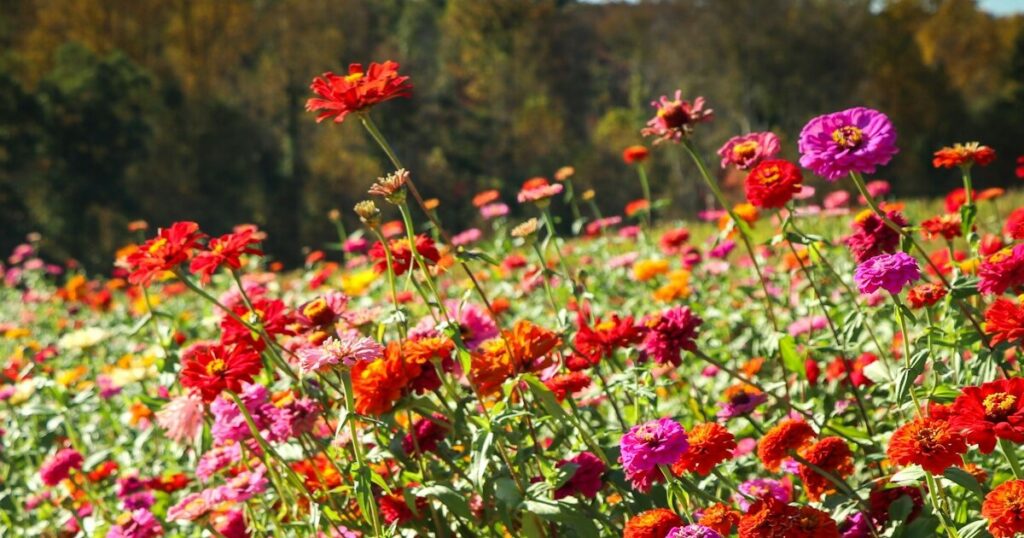
Hailing from Mexico and Central America, zinnias are beloved annuals that burst into bloom when days are hottest. They’re non-invasive in garden settings and appreciate well-draining soil and consistent deadheading to keep flowers coming. Expect a kaleidoscope of hues—from fiery oranges to soft pinks—and heights ranging from 6 inches to over 3 feet.
I never tire of the kaleidoscopic dance of butterflies—like monarchs and admirals—swooping into zinnia heads for nectar! Their bold petals also create temporary roosts for ladybugs and lacewings, which in turn help control aphids and other pests. Snip a few stems for the vase, and you’ll carry that late-summer glow indoors, too.
Dahlia pinnata (Dahlia)
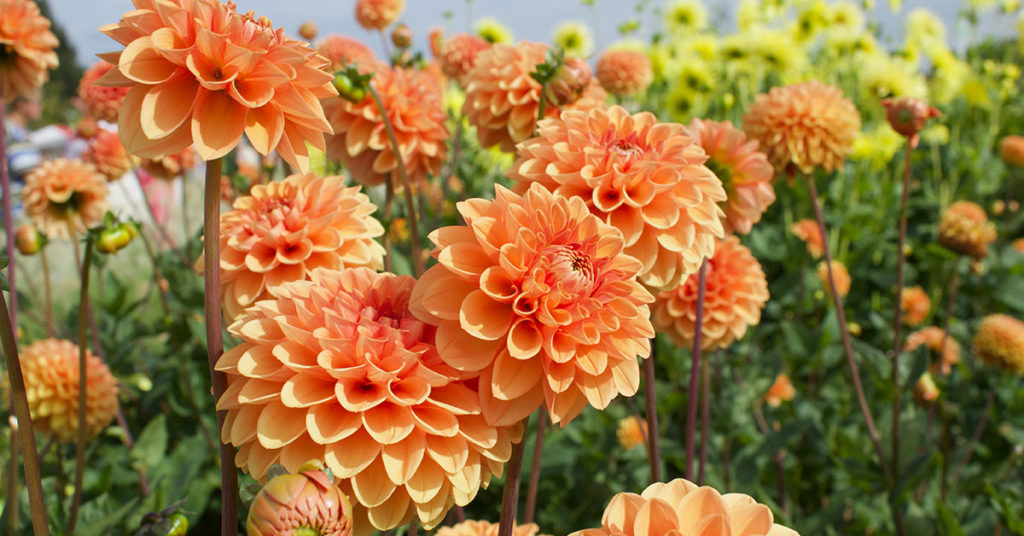
Native to Mexico’s highlands, dahlias thrive in well-drained, fertile soil with full sun. They’re typically grown as tender tuberous perennials and won’t naturalize in most climates unless left tubers overwinter outdoors. Offering blooms in every shape—from pompons to waterlily forms—dahlias can keep flowering into September when properly deadheaded.
Xerxes of pollinators adore their open-faced varieties; small solitary bees and hoverflies forage among the flattened petals, while taller blooms provide resting spots for small beetles. One of my favorite sights is the gentle hum of activity around a dahlia patch in golden late afternoon light—pure summer magic!
Gomphrena globosa (Globe Amaranth)
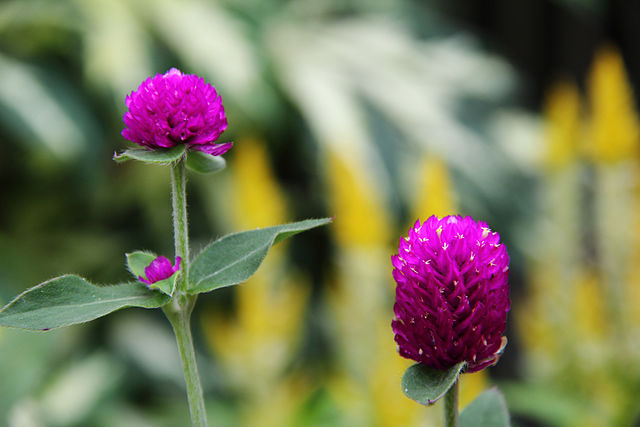
Originally from Central America and the Caribbean, globe amaranths flourish in heat and resist drought. They self-seed sparingly but rarely become invasive, making them excellent for long-term color. Their clover-like, papery blooms suit borders and containers; plus, they dry beautifully for wreaths and potpourri.
Hummingbirds sometimes flit around these tiny globes, but it’s the hardworking bees—especially small sweat bees—that truly relish the nectar. I love how each bloom seems to stay perfectly spherical, like miniature lanterns lighting up late-summer beds! Their low, mounded habit also offers shelter for ground-dwelling beneficial insects.
Aster novi-belgii (New York Aster)
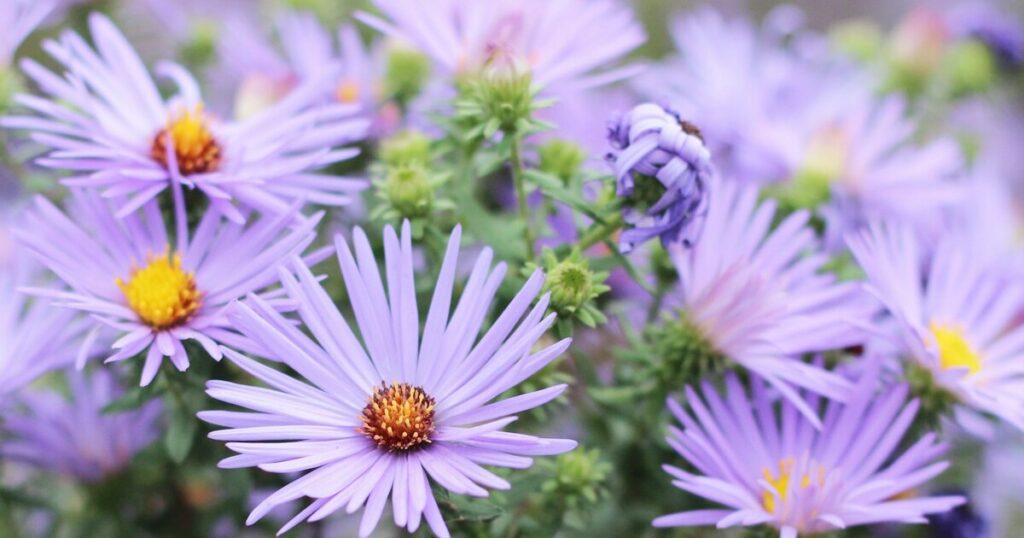
Asters trace their roots to North America’s woodlands and prairies, where they naturally form clumps in late season. They’re not invasive in managed beds and prefer moist, fertile soil with full to part sun. In August, early cultivars begin opening starry blooms in shades of lavender, pink, and white, setting the stage for autumn’s fuller display.
These flowers are essential late-season pollen sources for bees preparing nests for overwintering, and you may spot tiny carpenter bees carving out shelter in old stems. I’m always touched by the rush of activity as monarch butterflies sip their fill before migration—it’s like a farewell party in the garden!
Tagetes erecta (African Marigold)
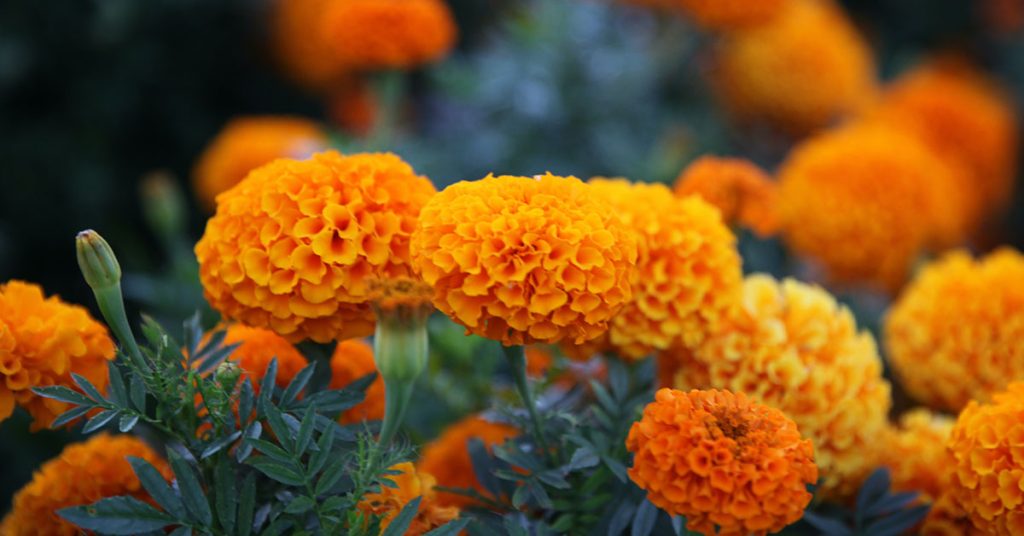
African marigolds descend from Mexico, where they thrive in heat and sunshine. They don’t naturalize in most regions but produce abundant seed if you let them flower. With their bold pom-pom blooms, they add a burst of gold and orange in August borders, and they’re highly resistant to pests and diseases.
Their pungent foliage can deter root nematodes, but pollinators still visit the dense heads—the veins visible on each petal guiding syrphid flies and honeybees to the nectar pools. I find these resilient marigolds perfect companions for veggies, too—bringing color and a bit of pest protection to the garden!
Coreopsis verticillata (Threadleaf Coreopsis)
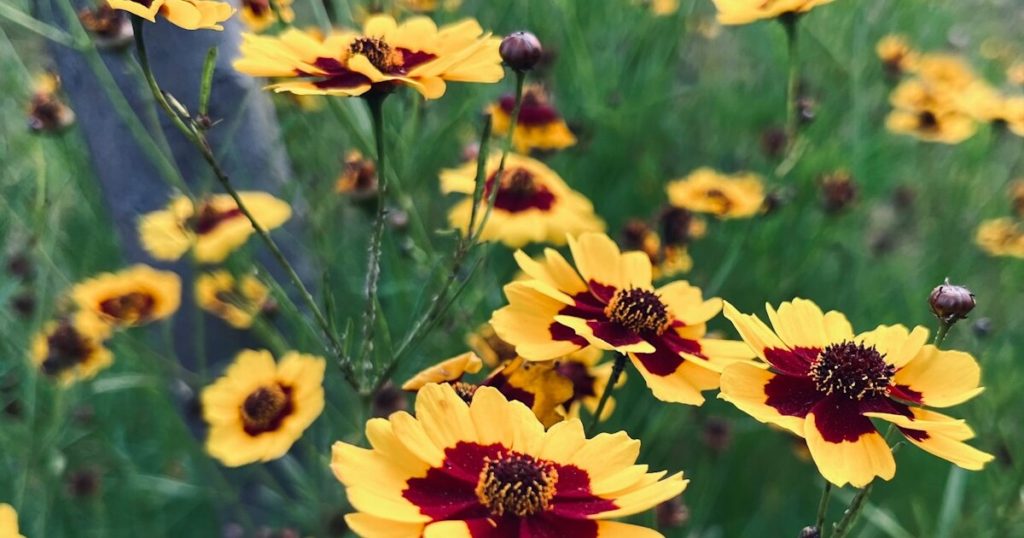
Native to the eastern United States, threadleaf coreopsis sports fine, ferny foliage and bright yellow daisy-like flowers. It’s a clump-forming perennial that rarely spreads aggressively, preferring well-drained soils in full sun. Blooms begin in midsummer and often extend into the first frosts, adding a cheerful glow to late beds.
These open flowers are perfect landing strips for native solitary bees and small butterflies like the Eastern tailed-blue. I love the way their delicate petals dance in the breeze, creating a shimmering sea of yellow! Ground beetles also use the low foliage as cover, helping keep slugs and other pests at bay.
Helenium autumnale (Sneezeweed)
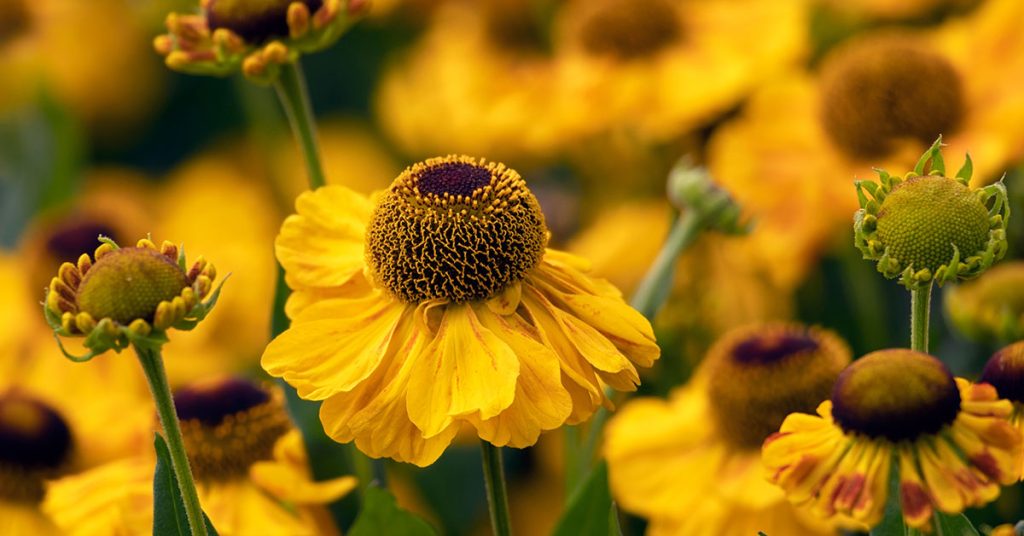
Helenium, known as sneezeweed, hails from North America’s wetlands and meadows. It thrives in moist, rich soils and full sun, flowering from midsummer into fall. Although it can spread by rhizomes in damp sites, it’s generally well-behaved in mixed beds, adding warm tones of gold, rust, and burgundy.
These daisy cousins are irresistible to butterflies—particularly swallowtails and fritillaries—and their central disks sometimes host tiny ground-nesting sweat bees. One of my favorite moments is hearing the gentle hum as pollinators move from floret to floret, almost like nature’s own percussion section!
Sedum spectabile (Autumn Joy)
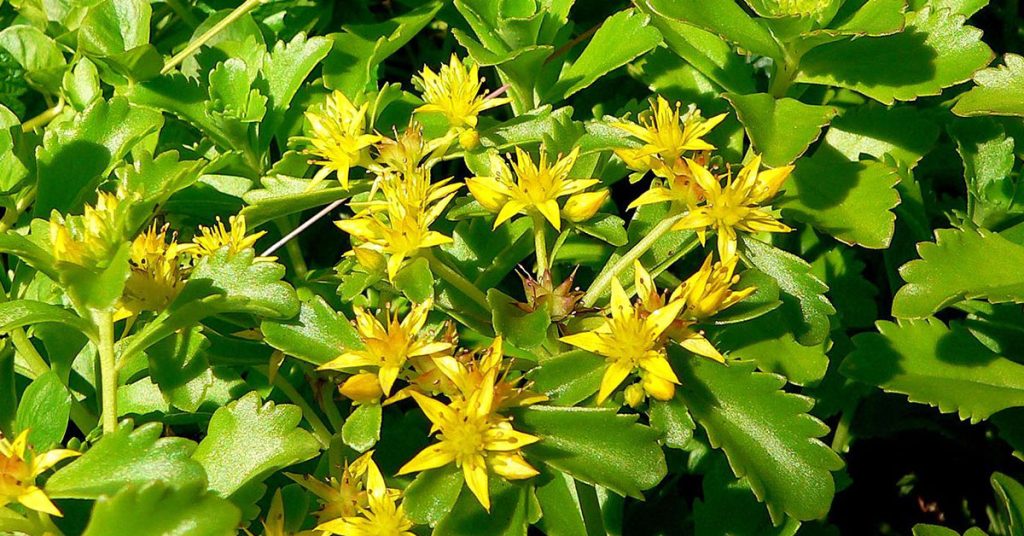
Autumn Joy sedum comes from East Asia’s rocky slopes and is famed for its fleshy leaves and dome-shaped clusters of pink blooms that mature to bronze. It’s non-invasive, forming neat clumps in well-draining soil with full sun exposure. Its sturdy stems hold up heavy flower heads, even after rain.
In late August, you’ll see bees—and later on, ladybugs—making lazy laps around each cluster, collecting both nectar and aphid prey. I always spot tiny parasitic wasps slipping into flower crevices, too—nature’s own pest patrol! As the heads age, they also provide seeds for small songbirds come autumn.
Hibiscus syriacus (Rose of Sharon)

Rose of Sharon is native to East Asia’s woodlands and edge habitats, thriving in sun and heat. It’s moderately vigorous and can spread if seeds are allowed to drop, but pruning keeps it tidy as a shrub or small tree. Late-summer hibiscus blooms showcase trumpet-shaped flowers in pinks, purples, and whites, often repeating until frost.
These large blossoms attract hummingbirds like magnets, and bees love probing the fertile centers. I get a thrill each time a ruby-throated hummingbird hovers at a bloom, its wings a blur of excitement! The sturdy branches can sometimes host small nesting spiders that help control leaf-eating pests.
Canna indica (Canna Lily)
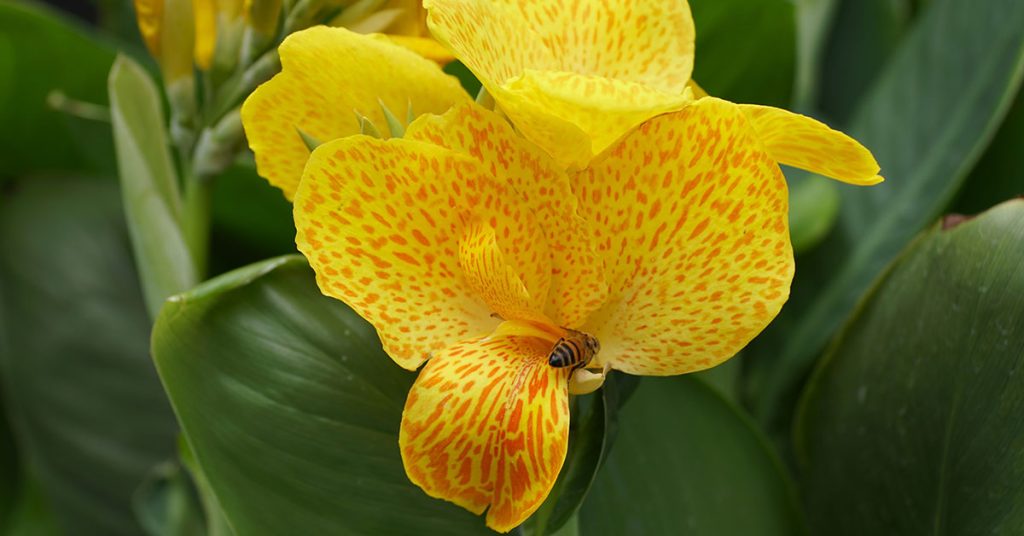
Canna lilies trace back to tropical Americas, where they grow along riverbanks and wetlands. In temperate gardens, they’re grown as annuals or lifted as rhizomes in winter; in frost-free zones they can naturalize but rarely become invasive. Their bold, banana-like leaves and bright red, orange, or yellow flowers demand attention in late summer borders.
Beyond their dramatic show, canna blooms draw hummingbirds and sunbirds in warmer climates, while the lush foliage creates humid microhabitats for springtails and beneficial soil mites. I love how their architectural presence transforms a sunny patch into a tropical oasis—pure garden theater!
Ipomoea alba (Moonflower)
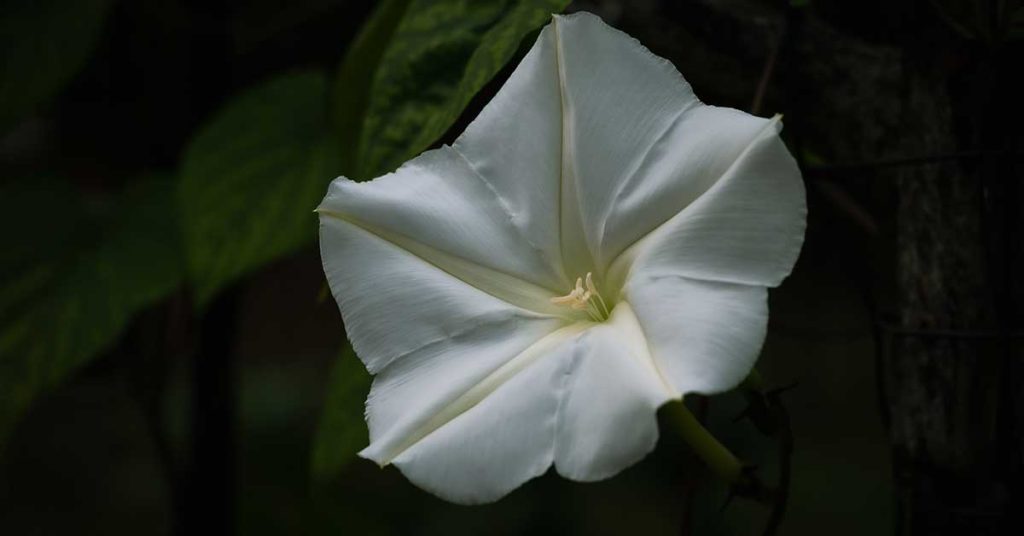
Moonflowers are native to tropical Americas, twining vigorously in rich, well-drained soil with full sun. Though they seed prolifically, their nighttime-opening white blooms are ethereal and often grown on trellises or fences. Watching them unfurl at dusk—with sweet, nocturnal fragrance—is one of my favorite end-of-day rituals!
These nocturnal blossoms attract night-flying moths, including sphinx moths that hover like miniature helicopters. Their large leaves can also shelter small tree frogs and ground beetles by day, enhancing nighttime garden biodiversity. If you seek a touch of moonlit magic in August, this vine is unmatched.