

Growing carrots is one of the most satisfying ventures for any vegetable gardener, but I know firsthand how tricky it can be to get those slender roots to develop perfectly. As an enthusiastic gardener who has experimented with countless techniques over the years, I’m excited to share answers to the top 10 burning questions about growing carrots! In this article, we’ll dive into everything from the best planting times and soil preparation to managing pests and ensuring optimal growth conditions. I understand the frustration when carrots don’t develop as expected or when pests disrupt your carefully tended beds—it’s such a bummer when your hard work seems wasted!
I’m here to help you transform your carrot patch into a thriving, productive garden that not only produces delicious, crunchy roots but also supports a vibrant ecosystem. Each section below offers two detailed paragraphs packed with practical tips, personal insights, and fun facts about carrots—from their origins in Asia to their non-invasive nature and even their role in attracting beneficial soil organisms! Let’s jump into these questions in a randomized order and turn your carrot-growing challenges into triumphant successes!
What Are Common Pests and Diseases in Carrots?
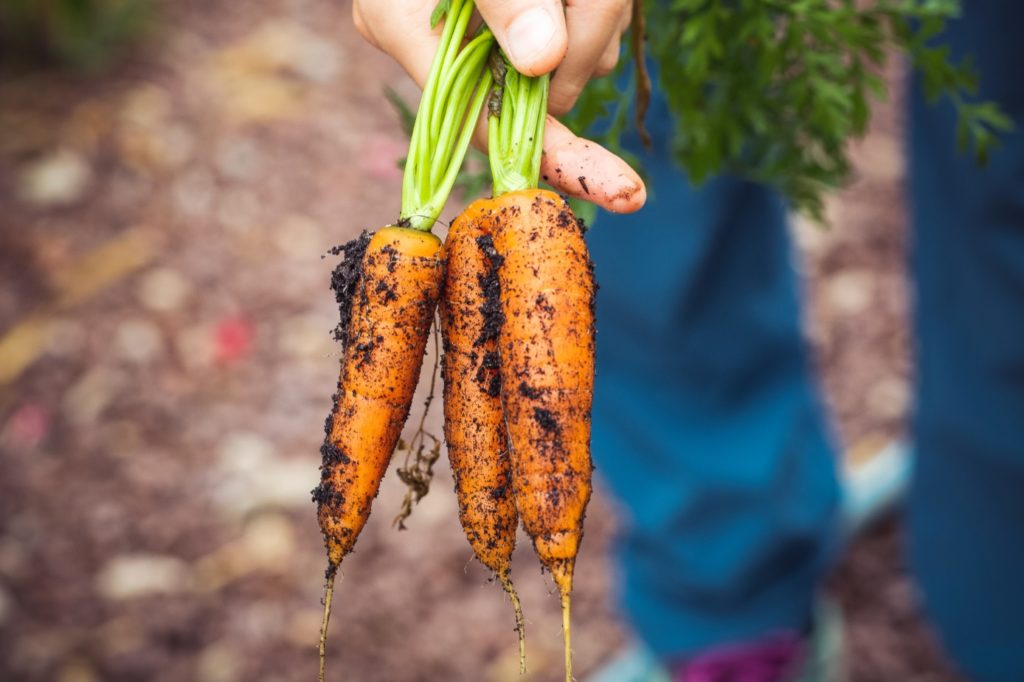
Carrots, native to regions in Asia and Europe, can sometimes face challenges from a variety of pests and diseases that can stunt their growth. One common foe is the carrot fly, whose larvae burrow into the roots, making them unsightly and unfit for harvest. I’ve learned that companion planting—using herbs like dill or rosemary—can help deter these pests by masking the scent of the carrots and confusing the pests! Additionally, fungal diseases like Alternaria leaf blight may strike if the carrots are grown in overly moist or poorly drained soils, which can lead to discolored leaves and stunted root development.
Managing these pests and diseases often requires a multi-pronged approach. I always recommend regular inspection of the carrot beds and maintaining proper spacing to ensure good air circulation, which minimizes the risk of fungal infections. It’s crucial to remove any diseased foliage promptly to prevent further spread, and introducing beneficial insects can naturally curb pest populations. With a bit of vigilance and timely intervention, you can create a balanced environment where your carrots can thrive without constant pest interference!
How Deep Should I Sow Carrot Seeds?
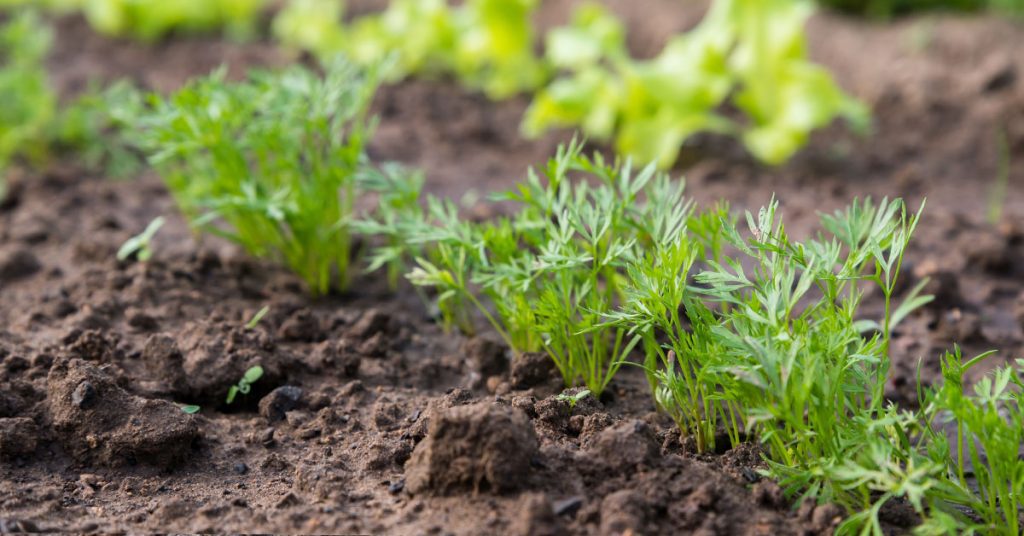
Sowing carrot seeds at the right depth is essential for optimal germination and healthy root development. I’ve found that planting seeds about ¼ to ½ inch deep works best for carrots, as this shallow depth encourages the seeds to sprout quickly while still offering protection from birds and wind. Carrots, with their delicate, taproot structures, prefer a well-prepared seedbed that allows for easy emergence, and the shallow sowing depth ensures that the tiny seedlings aren’t buried too deeply, which could hinder their growth.
It’s also important to consider soil moisture when sowing seeds, as the right level of dampness helps seeds make steady progress toward the surface. I always lightly cover the seeds with a fine layer of soil or vermiculite and then water gently to settle them in place. This method not only promotes uniform germination but also helps attract beneficial soil organisms that enhance nutrient availability for your young carrots. With these practices, your carrot seeds have the best chance to establish strong roots and flourish into a bountiful crop!
When Is the Best Time to Plant Carrots?

Timing is everything when it comes to planting carrots, and striking the right balance can mean the difference between a robust harvest and a disappointing crop. Carrots are typically planted in early spring or late summer, depending on your local climate, as they thrive in cooler weather. In my experience, planting them during these windows helps avoid the extremes of heat and cold, allowing the roots to develop slowly and steadily. Being native to temperate regions, carrots prefer milder temperatures, so planning your sowing schedule around local frost dates is key!
Early planting in the spring allows your carrots to take advantage of the cool, crisp days before the heat of summer sets in, while a fall crop benefits from the lingering warmth of late summer with a cool fall finish. It’s such a bummer when unpredictable weather disrupts your plans, but a little local research and careful scheduling can save you from those pitfalls! I always keep an eye on seasonal forecasts and soil temperatures to ensure that my carrot patch gets off to the best possible start, leading to a delicious and abundant harvest.
How Do I Prepare Soil for Optimal Carrot Growth?

Carrots demand a well-draining, loose, and nutrient-rich soil to develop their long, uninterrupted roots. I always start by deep-tilling the bed to eliminate any clumps and stones that could obstruct root growth. This is particularly important because carrots are native to well-aerated soils in their regions of origin, such as Central Asia, where the earth is naturally loose and fertile. Amending the soil with organic matter like compost not only enriches it but also attracts beneficial soil microorganisms that enhance nutrient uptake—a true win-win for your garden!
Beyond soil texture, maintaining a balanced pH is essential, as carrots prefer slightly acidic to neutral conditions. I often perform a simple soil test to ensure that the pH levels are just right and adjust accordingly with lime or sulfur. Good soil preparation not only supports healthy carrot growth but also helps prevent issues like root deformities and disease. When you set the foundation properly, you’re well on your way to nurturing a crop that’s both beautiful and delicious, fulfilling your garden’s potential!
Do Carrots Require Thinning?
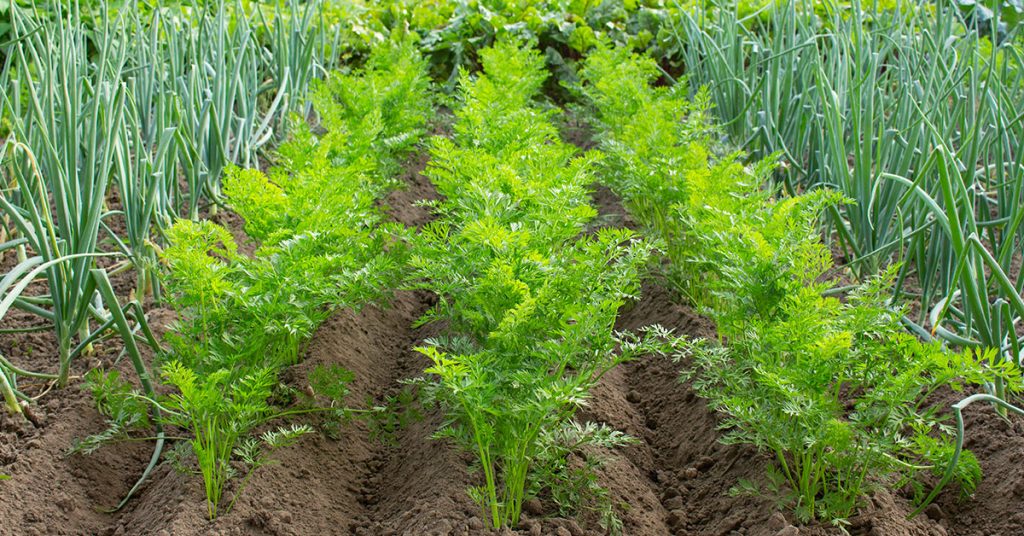
Thinning is a crucial step in carrot cultivation that helps ensure each plant has enough space to develop a healthy, straight root. When carrots are sown too densely, they compete for essential nutrients, water, and sunlight, leading to smaller, misshapen roots. I’ve experienced firsthand the difference proper thinning can make—by spacing them out once seedlings emerge, each carrot gets the room it needs to grow uninterrupted! This practice also reduces the risk of disease, as overcrowded plants tend to create moist conditions that favor fungal growth.
While it might seem like an extra chore, thinning is well worth the effort. It creates an environment where beneficial insects and soil-dwelling organisms can navigate easily, sometimes even using the space between plants as temporary nesting spots. With the right spacing, your carrots will develop strong, uniform roots, and you’ll be rewarded with a garden full of perfectly formed produce. It’s a small step that leads to huge gains in both quality and yield!
How Long Until Carrots Are Ready to Harvest?

Carrots typically take anywhere from 60 to 80 days to mature, depending on the variety and growing conditions, but patience is key when nurturing these root vegetables. I always keep a close eye on the progress of my carrot patch, and while the wait can feel long, the reward of a crisp, sweet carrot is well worth it! Carrots, native to temperate regions, develop best in cool weather, so monitoring your local climate is essential to determine the optimal harvest time. It’s such a satisfying moment when you finally pull a perfectly formed carrot from the soil, knowing all your care and effort has paid off!
Monitoring the size and color of the carrot tops can also provide clues about maturity. When the greens begin to look lush and the roots seem to have reached a desirable size, it’s time to start testing a few to check their flavor and texture. I often harvest a few early in the morning when the soil is still cool and moist, which helps preserve their crispness. Every harvest is a delightful reminder of the magic that happens underground and the natural rhythms of a thriving garden!
What Are the Differences Between Various Carrot Varieties?

Carrot varieties come in a dazzling array of shapes, sizes, and colors, each with its own unique characteristics and growing requirements. From the classic orange Nantes to the elongated Imperator types and even purple or red heirlooms, each variety brings something special to your garden table! Native to the wild carrot (Daucus carota) found in Europe and parts of Asia, modern cultivated carrots have been selectively bred for their sweetness, tenderness, and appealing appearance. I find that experimenting with different varieties not only spices up your culinary adventures but also adds visual diversity to your carrot patch!
Different varieties may also differ in their adaptability to various soil types and climatic conditions. For instance, some heirloom varieties are more tolerant of cooler weather, while others flourish in warmer climates. I’ve learned that mixing several types in one garden can attract a broader range of beneficial soil organisms and pollinators, creating a more robust and dynamic ecosystem. Embracing this diversity not only enriches your garden’s aesthetic but also offers a fun opportunity to discover new flavors and textures in your harvested produce!
Can Carrots Be Grown in Containers?
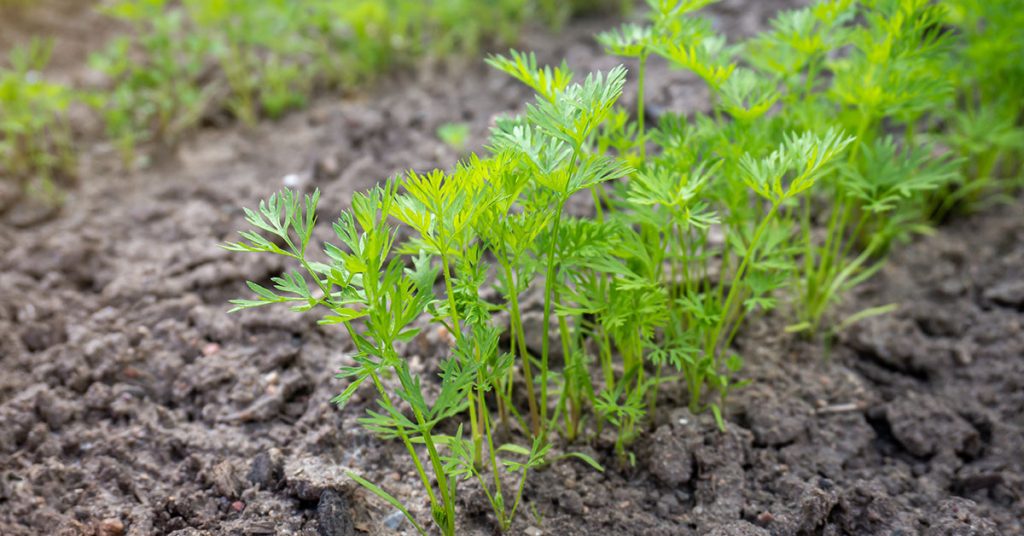
Absolutely, carrots can be successfully grown in containers, making them an excellent choice for urban gardeners or those with limited space! When selecting a container, I always choose one that is deep enough—at least 12 inches—to allow for proper root development and to mimic the loose, well-draining soils that carrots love. Container gardening also offers the flexibility of controlling soil quality and moisture levels, which can significantly enhance the growth of your carrots. It’s a fantastic way to enjoy fresh, home-grown produce even if you don’t have a traditional garden plot!
Growing carrots in containers can also be a creative way to decorate patios and balconies, attracting small beneficial insects and even providing a cozy nesting spot for curious earthworms. While carrots are not considered invasive, ensuring proper spacing and a nutrient-rich medium is key to success in confined spaces. I’ve found that container-grown carrots tend to be particularly tender and flavorful, proving that even in a small space, nature’s bounty can flourish beautifully!
How Do I Ensure a Steady Supply of Water for My Carrots?

Consistent moisture is critical for growing robust carrots, as fluctuations in water supply can lead to tough, cracked roots that are less than ideal for harvest. I always recommend a regular watering schedule, especially during the early stages of growth, to keep the soil evenly moist but not waterlogged. Carrots are native to regions with moderate, consistent rainfall, and replicating those conditions in your garden can make a world of difference. Drip irrigation systems or soaker hoses are excellent tools that provide steady, gentle watering while minimizing water waste and reducing the risk of fungal diseases!
In my experience, the key is to water deeply and infrequently rather than a light sprinkle every day, as this encourages a deeper, more robust root system. Mulching around the carrot bed helps retain soil moisture, keeps the temperature stable, and even attracts beneficial organisms that further improve soil quality. Every drop of water counts when nurturing your carrot patch, and with a little careful planning, you’ll ensure that your carrots receive exactly what they need to grow tender, flavorful, and ready for your harvest!
How Do I Store Harvested Carrots?

Storing carrots properly after harvest is essential to maintain their crisp texture and sweet flavor over time. Once you’ve pulled your carrots from the soil, I recommend brushing off any excess dirt and trimming the tops to reduce moisture loss. Carrots, which are native to regions of Europe and Asia, have been a staple food for centuries and are best stored in a cool, dark, and humid environment to mimic their natural growing conditions. I usually keep my carrots in a perforated plastic bag in the refrigerator, which helps maintain the ideal moisture levels and prevents them from drying out!
For longer-term storage, some gardeners even opt for root cellaring—a method that creates a natural, low-temperature storage environment perfect for preserving carrots. This approach not only extends the life of your harvest but also ensures that your carrots retain their nutritional value and natural sweetness. Whether you’re planning to enjoy them fresh or use them in hearty winter stews, proper storage techniques make a big difference in keeping your home garden produce as delightful as the day it was harvested!