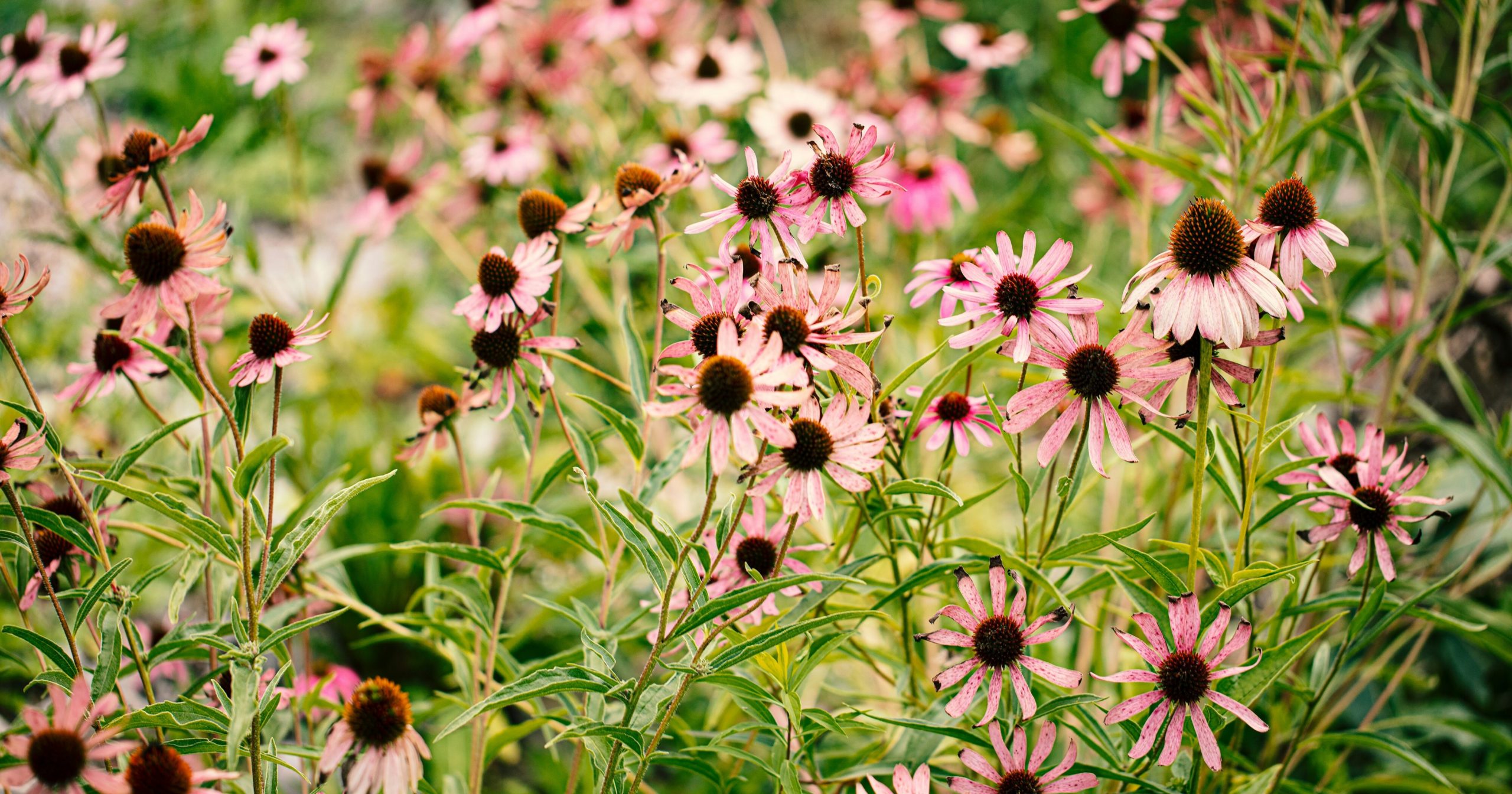

Dividing and transplanting perennials is a fantastic way to rejuvenate your garden, create more plants for free, and ensure the health and vigor of your garden favorites. Late summer is an ideal time for this task because the soil is still warm, promoting quick root growth, and the cooler weather helps reduce transplant shock. As an enthusiastic gardener, I’ve found that dividing perennials not only keeps the garden looking lush and full but also provides opportunities to share plants with friends and neighbors.
In this article, we’ll explore the top 10 perennials that are perfect for dividing and transplanting in late summer. These plants are resilient, easy to handle, and thrive with a little extra attention during this time of year. Let’s dive into the details and discover which perennials will benefit most from late summer division and transplanting!
Daylilies
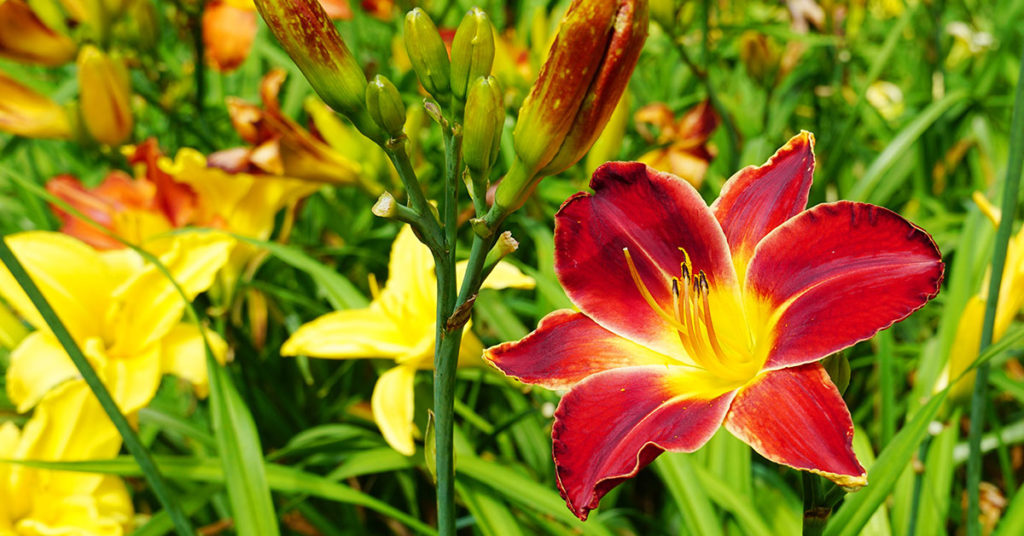
Daylilies (Hemerocallis spp.) are incredibly versatile and hardy perennials that thrive when divided in late summer. Native to Asia, these plants are known for their vibrant, trumpet-shaped flowers that come in a variety of colors. Daylilies are easy to grow and can tolerate a range of soil conditions, making them a popular choice for many gardens.
Dividing daylilies helps prevent overcrowding and encourages more prolific blooming. To divide, carefully dig up the clump and separate the fans, ensuring each division has healthy roots. Replant the divisions in well-drained soil with plenty of sunlight. Daylilies are resilient and will quickly establish themselves, providing beautiful blooms for years to come.
Hostas
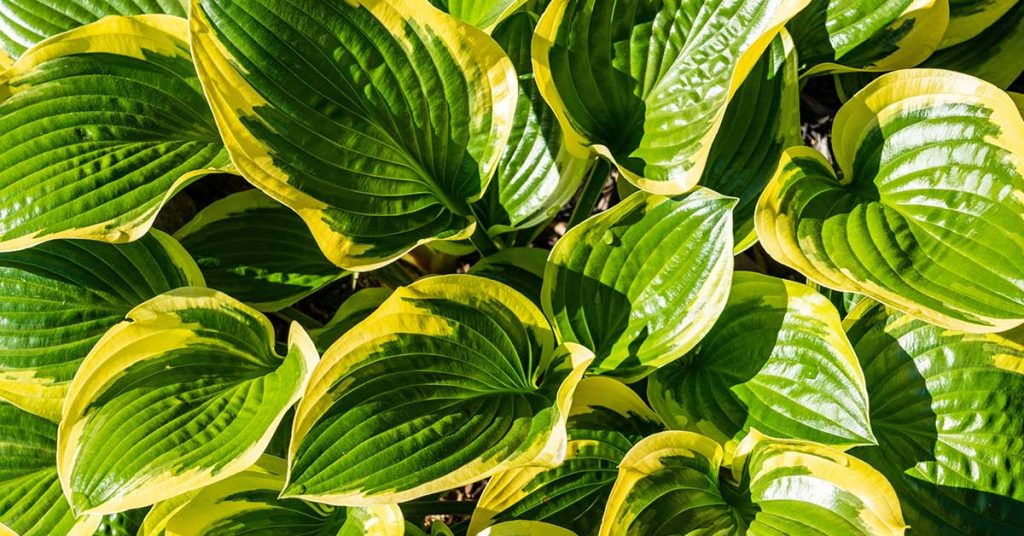
Hostas (Hosta spp.) are beloved for their lush, attractive foliage and are perfect candidates for late summer division. Native to Northeast Asia, hostas are shade-loving perennials that come in a variety of sizes, colors, and leaf patterns. They are particularly valued for their ability to thrive in shady areas where other plants may struggle.
Dividing hostas not only helps manage their size but also promotes healthier growth. To divide hostas, dig up the entire clump and carefully separate it into smaller sections, ensuring each has a good root system. Replant the divisions in well-drained soil with ample shade and water them well to help them establish. Dividing hostas in late summer ensures they have enough time to settle before the onset of winter.
Irises
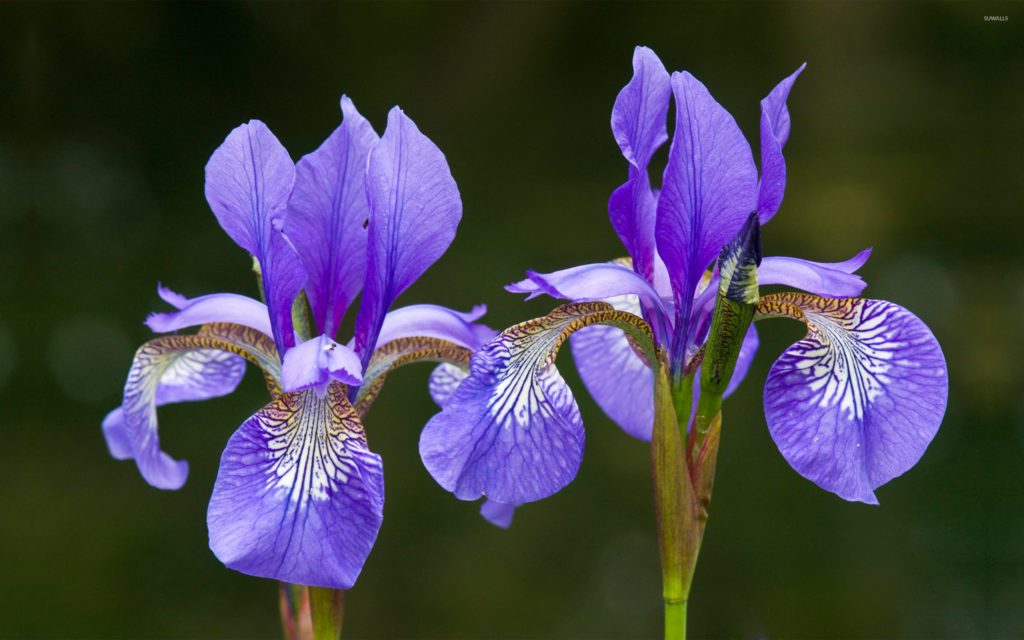
Irises (Iris spp.) are stunning perennials known for their intricate, colorful flowers. Native to temperate regions of the Northern Hemisphere, irises are versatile and can thrive in various soil types. They are best divided and transplanted in late summer, particularly bearded irises, which benefit greatly from this practice.
To divide irises, carefully dig up the rhizomes and cut them apart with a sharp knife, ensuring each piece has a fan of leaves and healthy roots. Allow the cut sections to dry for a day or two before replanting them in well-drained soil with plenty of sunlight. This process helps prevent diseases and encourages vigorous blooming in the following seasons.
Peonies
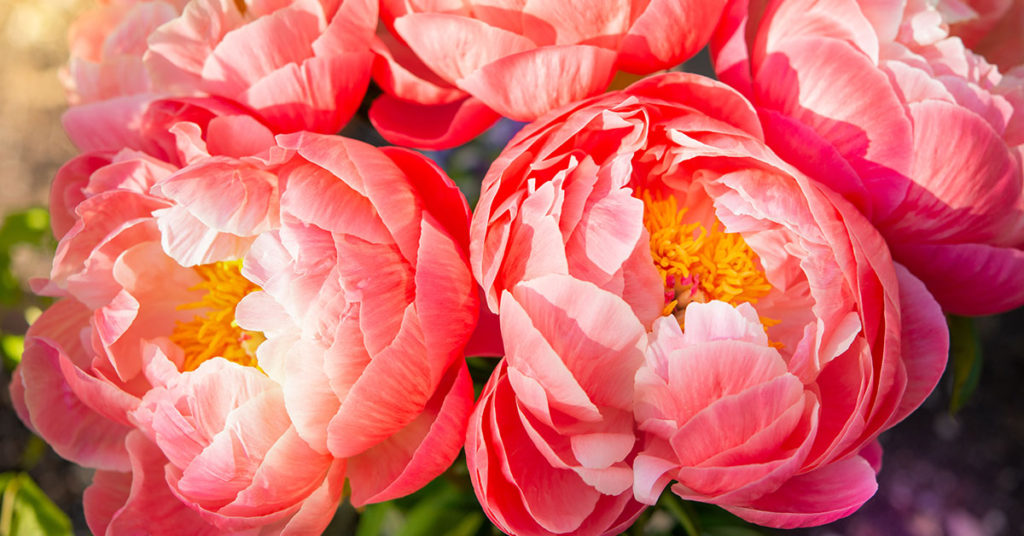
Peonies (Paeonia spp.) are long-lived perennials that produce large, fragrant blooms in the spring. Native to Asia, Europe, and Western North America, peonies are prized for their beauty and are relatively easy to care for. Dividing peonies in late summer can rejuvenate older plants and help them produce more flowers.
To divide peonies, carefully dig up the entire clump and use a sharp knife to separate the roots, ensuring each division has at least three to five eyes (buds) and healthy roots. Replant the divisions in a sunny location with well-drained soil, making sure the eyes are no more than 2 inches below the soil surface. This process can help prevent overcrowding and promote vigorous growth and blooming.
Sedum
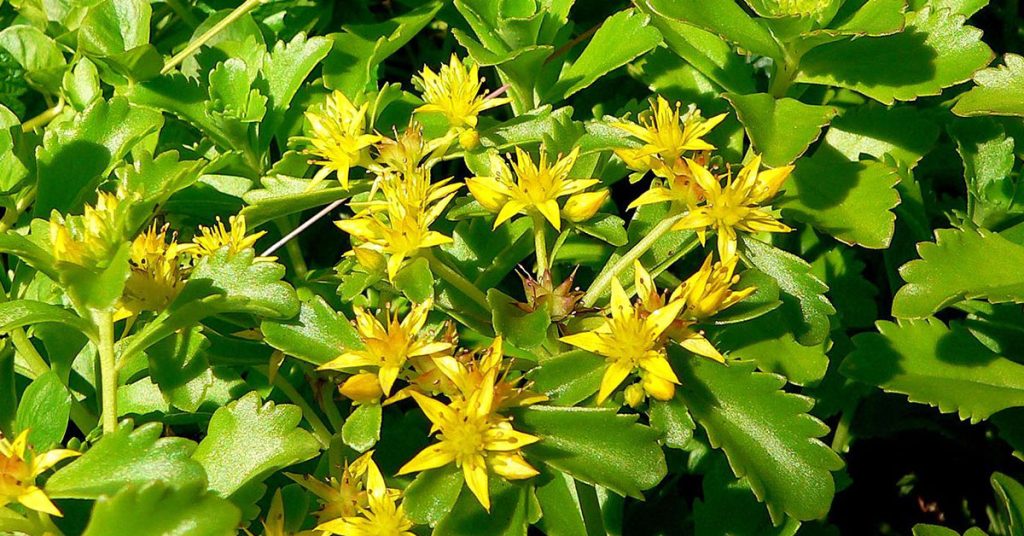
Sedum (Sedum spp.), also known as stonecrop, is a hardy, drought-tolerant perennial that is perfect for late summer division. Native to the Northern Hemisphere, sedums are known for their succulent leaves and clusters of star-shaped flowers that attract pollinators. They thrive in well-drained soil and full sun, making them ideal for rock gardens and borders.
Dividing sedum is straightforward and helps prevent overcrowding. Simply dig up the clump and separate it into smaller sections, ensuring each has roots and stems. Replant the divisions in well-drained soil and water them well to help them establish. Sedums are resilient and will quickly adapt to their new locations, providing attractive foliage and blooms.
Black-Eyed Susans
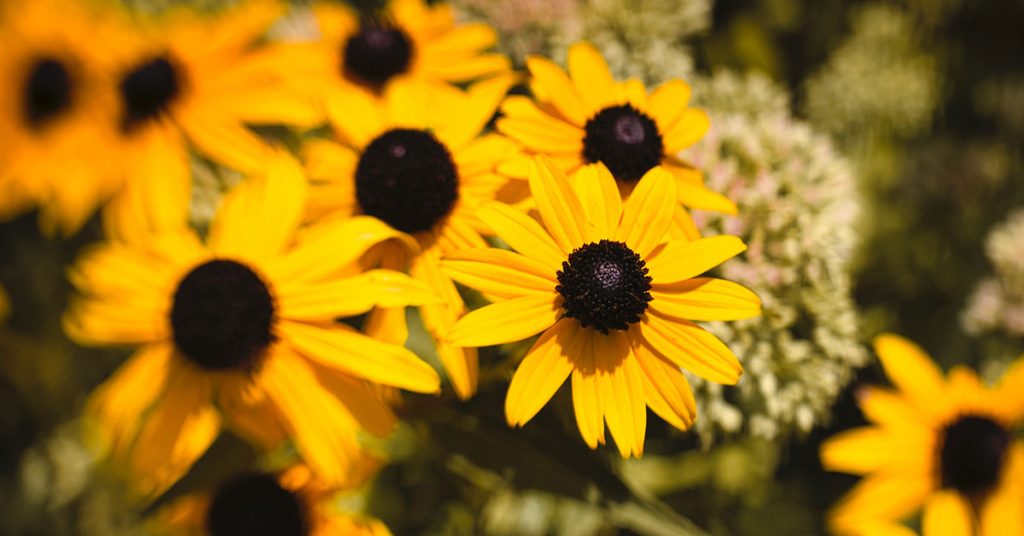
Black-eyed Susans (Rudbeckia hirta) are cheerful, sun-loving perennials native to North America. They are known for their bright yellow petals and dark brown centers, which add a splash of color to any garden. Black-eyed Susans are easy to grow and thrive in full sun and well-drained soil.
Dividing black-eyed Susans in late summer helps promote healthier growth and more prolific blooming. To divide, carefully dig up the clump and separate it into smaller sections, ensuring each has a good root system. Replant the divisions in well-drained soil and water them well to help them establish. This process helps prevent overcrowding and encourages vigorous growth.
Yarrow
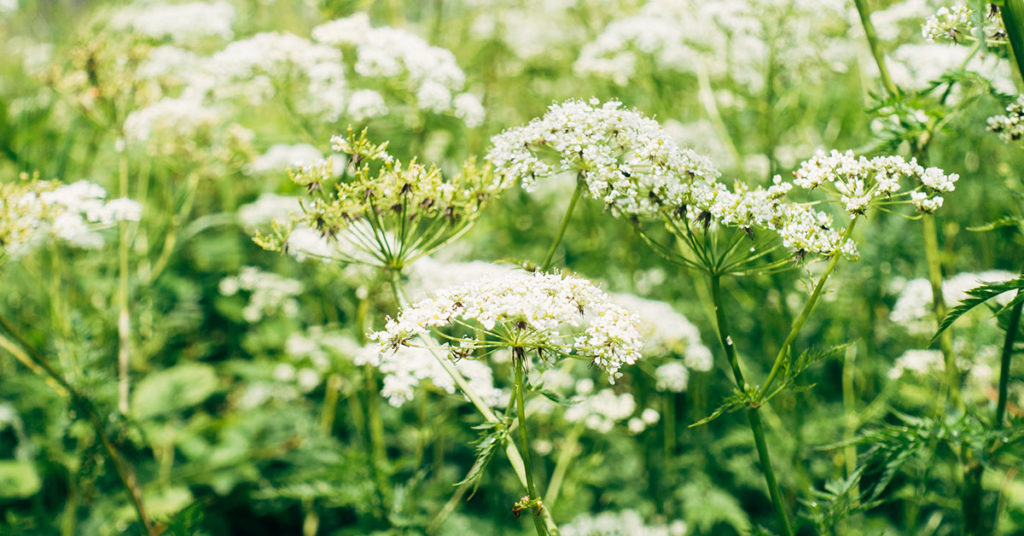
Yarrow (Achillea millefolium) is a hardy perennial known for its fern-like foliage and clusters of small, colorful flowers. Native to Europe and Asia, yarrow is drought-tolerant and thrives in full sun and well-drained soil. It is a valuable addition to any garden, attracting pollinators and providing long-lasting blooms.
Dividing yarrow in late summer helps manage its growth and promotes healthier plants. To divide yarrow, dig up the clump and separate it into smaller sections, ensuring each has roots and stems. Replant the divisions in well-drained soil and water them well to help them establish. Yarrow is resilient and will quickly adapt to its new location, providing attractive foliage and blooms.
Coreopsis
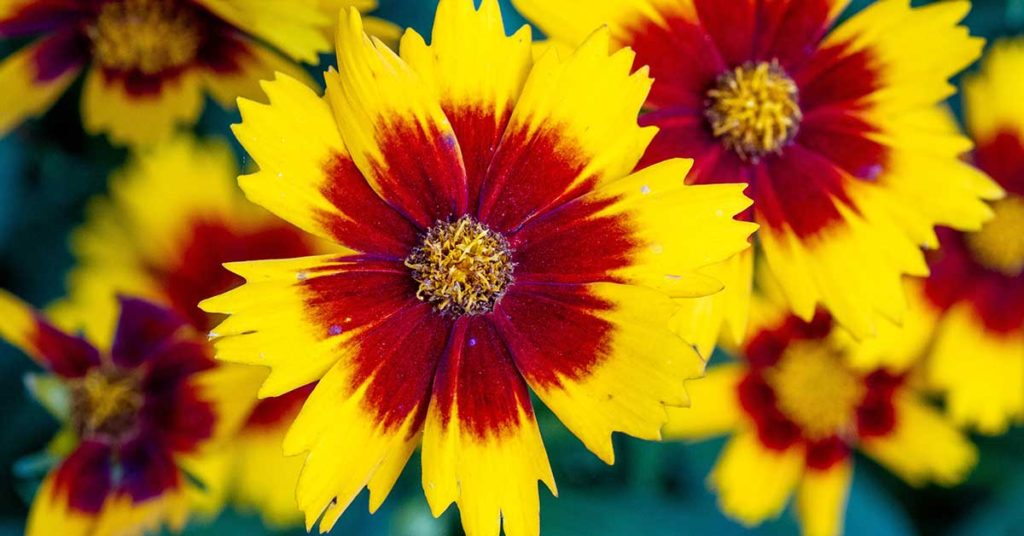
Coreopsis (Coreopsis spp.), also known as tickseed, is a sun-loving perennial that produces masses of bright, daisy-like flowers. Native to North America, coreopsis is easy to grow and thrives in full sun and well-drained soil. It is known for its long blooming period and ability to attract pollinators.
Dividing coreopsis in late summer helps promote healthier growth and more prolific blooming. To divide, carefully dig up the clump and separate it into smaller sections, ensuring each has a good root system. Replant the divisions in well-drained soil and water them well to help them establish. This process helps prevent overcrowding and encourages vigorous growth.
Ornamental Grasses
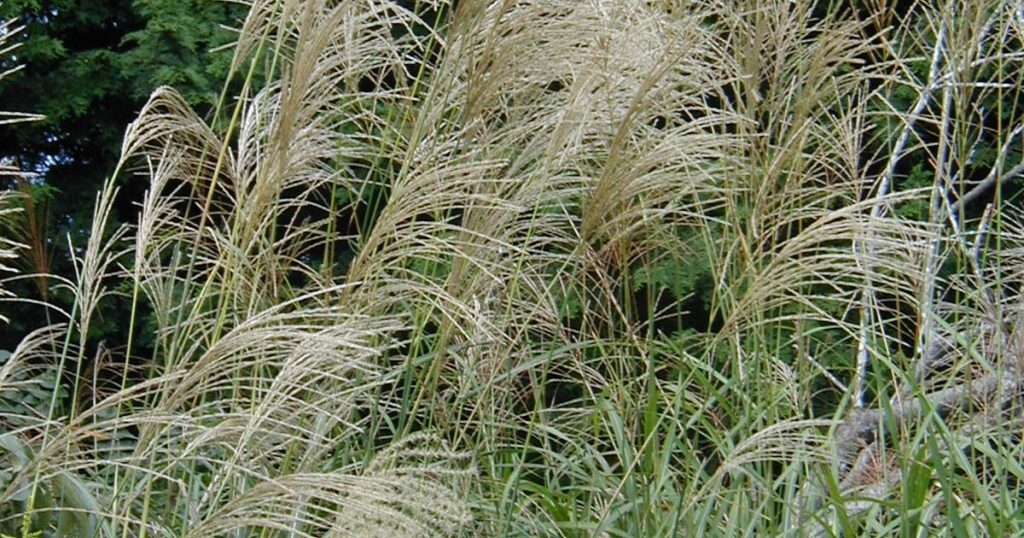
Ornamental grasses, such as Miscanthus and Pennisetum, are excellent candidates for late summer division. These grasses add texture and movement to the garden with their graceful foliage and feathery plumes. Native to various regions, including Asia and North America, ornamental grasses are hardy and adaptable to different soil conditions.
Dividing ornamental grasses helps rejuvenate older clumps and encourages vigorous growth. To divide, dig up the entire clump and use a sharp spade to separate it into smaller sections, ensuring each has a good root system. Replant the divisions in well-drained soil and water them well to help them establish. Dividing ornamental grasses in late summer ensures they have enough time to settle before the onset of winter.