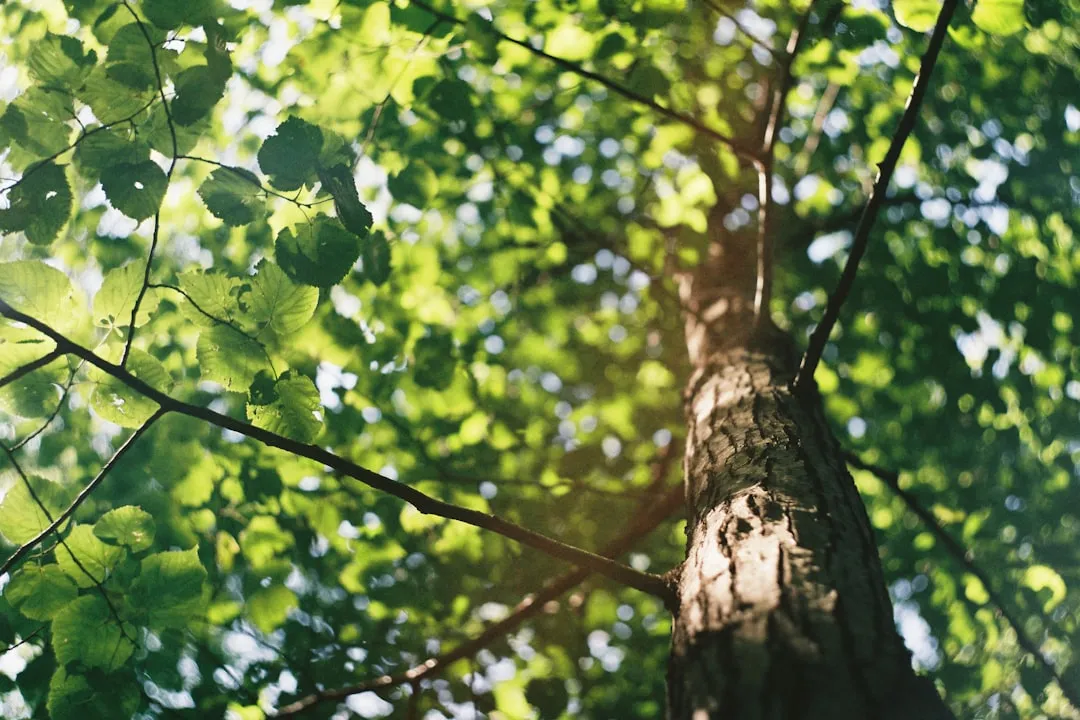

Summers keep arriving earlier and lingering longer, and anyone who has stood on a sun-baked patio in July knows exactly what that means for a water bill. The good news is that a handful of tree species have spent centuries adapting to exactly this kind of stress, growing broad canopies while asking for almost nothing once their roots settle in. Picking the right one is less about luck and more about understanding what these trees have already proven they can survive.
Why The Heat Makes Shade Trees Worth Rethinking
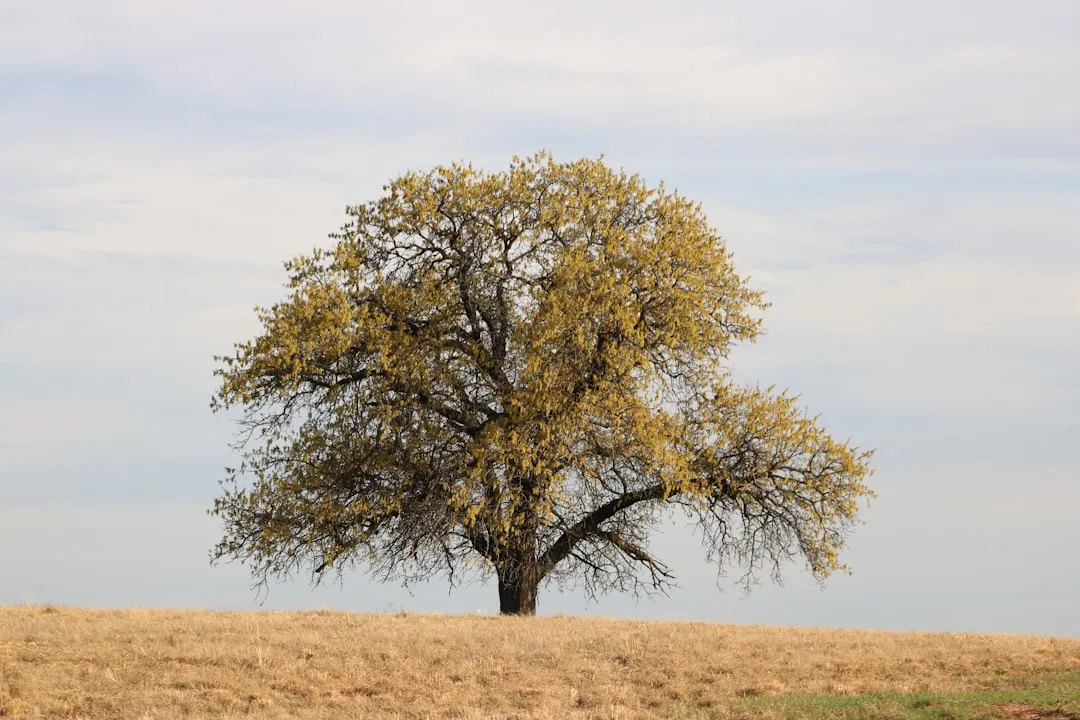
Summers are getting warmer, and one of the simplest responses homeowners have is also one of the oldest: planting trees that provide real shade while tolerating dry conditions. Summers are getting warmer and warmer, and one great way to beat the heat is by strategically planting trees that are drought-tolerant and provide great shade. The trick is that not every shade tree can handle a dry spell gracefully, and plenty of popular ornamentals need steady watering to look their best. That is exactly why species bred by nature for arid conditions, rather than chosen purely for looks, tend to outperform in the long run.
The Bur Oak: A Slow Giant Built For Dry Summers
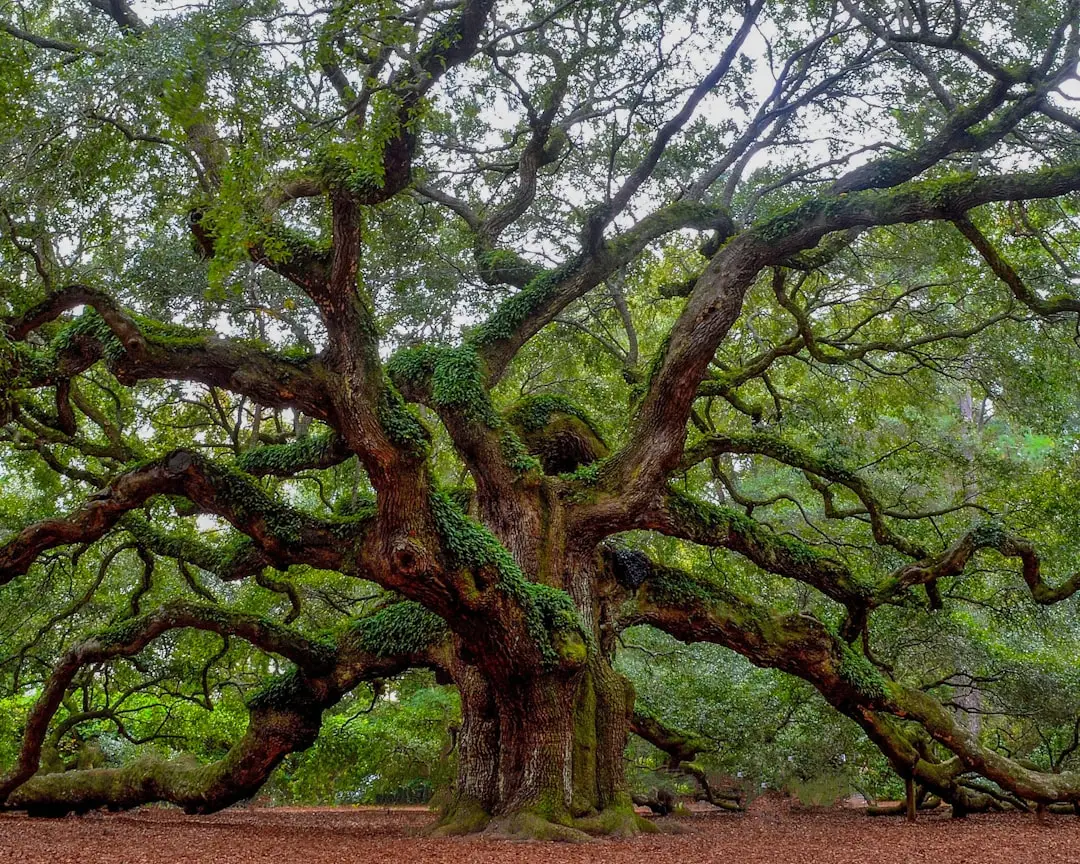
Few trees combine size and toughness quite like the bur oak. The bur oak is a champion of shade and resilience, a massive tree with a wide, dense canopy that handles brutal northern winters and southern heat waves, surviving on just 15 inches of rain per year. Part of that resilience comes down to biology rather than luck. Bur oak is a strong tree that can handle dry weather and really cold winters, with thick bark that keeps it warm and deep roots that help it find water far underground, while its big, tough leaves and corky twigs help hold in moisture. It grows slowly, which means patience is required, but that same slow growth builds a denser, sturdier structure than fast growers typically achieve.
Chinese Pistache: Fall Color Without The Water Bill
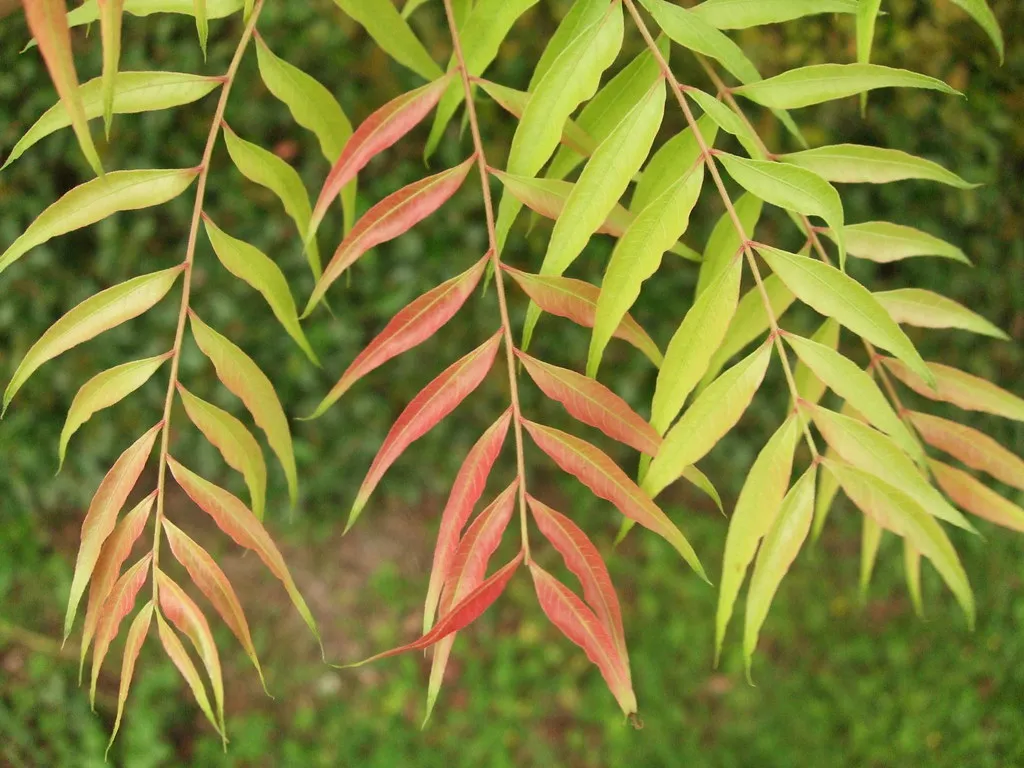
If a smaller footprint suits your yard better than an oak’s sprawling canopy, the Chinese pistache is worth a look. With its medium size and moderate growth rate, which make it ideal for home landscapes, the Chinese pistache is a tough, drought-tolerant, and pest-free tree that can adapt to a variety of conditions, from temperate to tropical zones, lighting up yards with fiery red fall color. That combination of manageable size and low maintenance makes it a common pick for suburban lots where space is limited but visual impact still matters. It also tends to shrug off the pests and diseases that plague many ornamental shade trees, which cuts down on the fuss over the years.
Desert Willow: Small Tree, Remarkably Deep Roots

Despite the name, this one is not actually a willow, and that distinction matters more than it sounds. The desert willow is actually a flowering shrub or small tree, perfectly suited for drought-prone areas thanks to an extensive root system that draws water from deep underground even when the surface is bone dry. Once it settles in, it asks for very little upkeep. Once established, which happens quickly, the desert willow does not need fertilizer or a lot of fuss, and its light, airy canopy means other plants nearby still get sunshine and water. That airy quality also means it will not throw the dense, heavy shade of an oak, so it works best as an accent tree or for smaller patios rather than a full canopy over the whole yard.
Kentucky Coffeetree: Tough, Distinctive, And Built For Cities
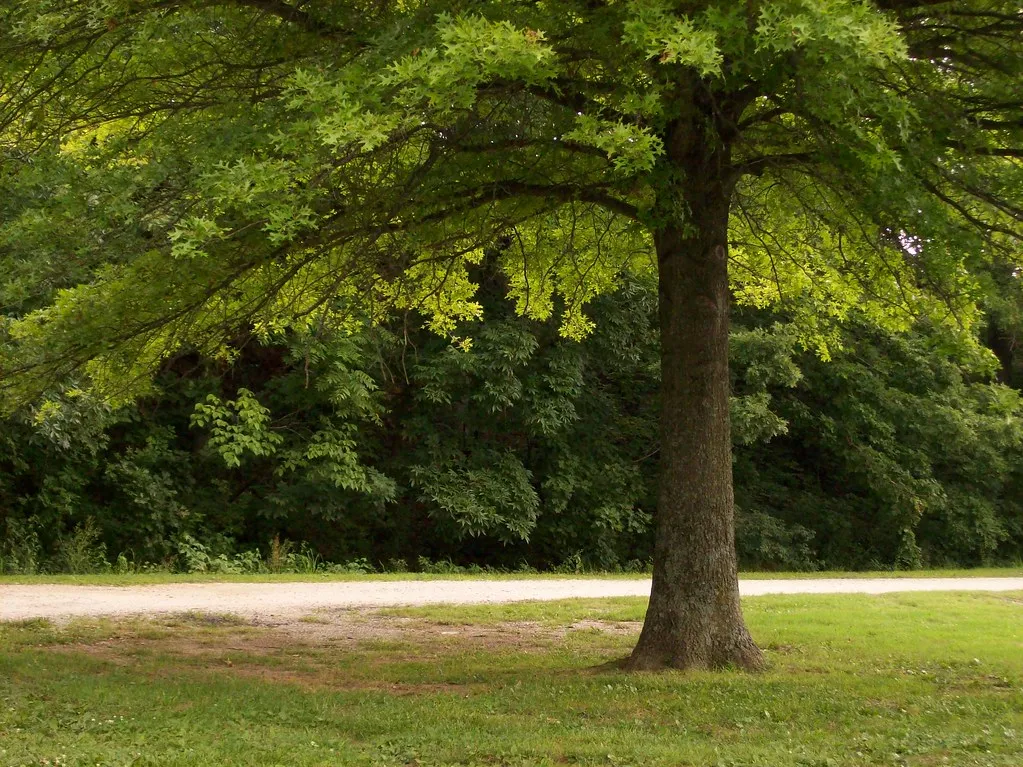
This species has a reputation among arborists for shrugging off almost anything a hard climate throws at it. With its reputation as a tough species, the Kentucky coffeetree is an excellent choice for parks, golf courses, and other large areas, and cities widely use it as an ornamental or street tree thanks to a picturesque profile with coarse, ascending branches that often form a narrow crown. It is genuinely resilient in urban conditions as well. It is resilient in dry conditions and tolerant of pollution, making it well suited to urban outdoor spaces, and it is not particular about soil type as long as it is well drained and gets plenty of sun. It grows slowly and casts a lighter, more open shade than a dense oak canopy, which some gardeners actually prefer because it still allows shade-loving groundcovers to grow beneath it.
The Real Energy Savings Behind A Shade Tree
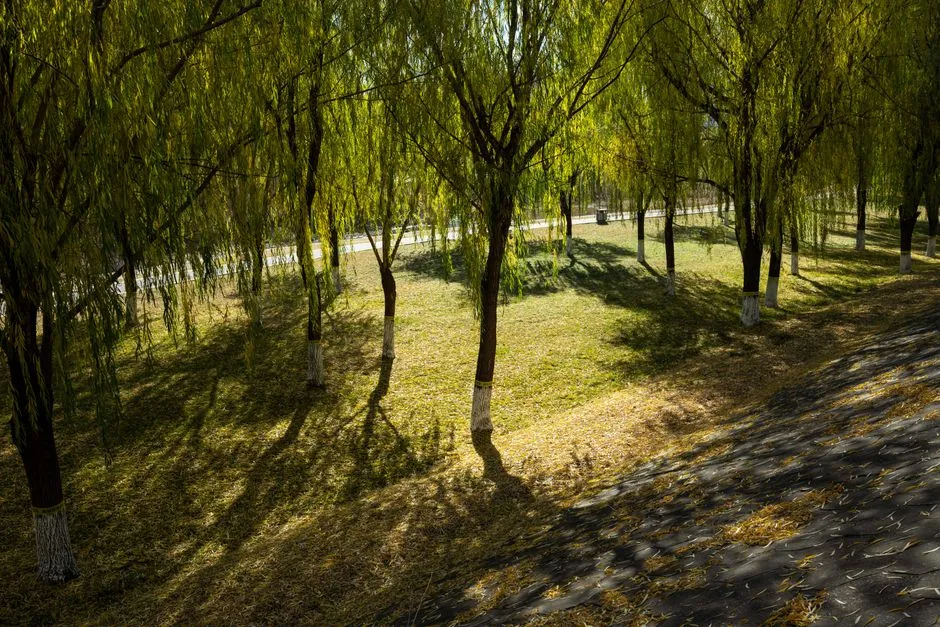
The cooling benefit of a well-placed tree is not just a comfortable feeling on a summer afternoon, it shows up in utility bills too. Forest Service simulations found that a single 25-foot tall tree can reduce annual heating and cooling costs of a typical residence by 8 to 12 percent, roughly 10 to 25 dollars, and when scaled up nationally, a nationwide residential tree planting program could eventually save about 1 billion dollars each year. A more detailed modeling study went further, estimating that a healthy 40 foot tall yard tree around 25 years old could save 347 kilowatt hours per year, which translates to roughly 208 gallons of water saved at power plants. Separate research on tree removal found the opposite effect just as clearly: removing mature trees in an urban setting significantly increases residential energy use, with households experiencing a 3 percent increase in average monthly utility consumption across the year after a removal.
Where You Plant Matters As Much As What You Plant
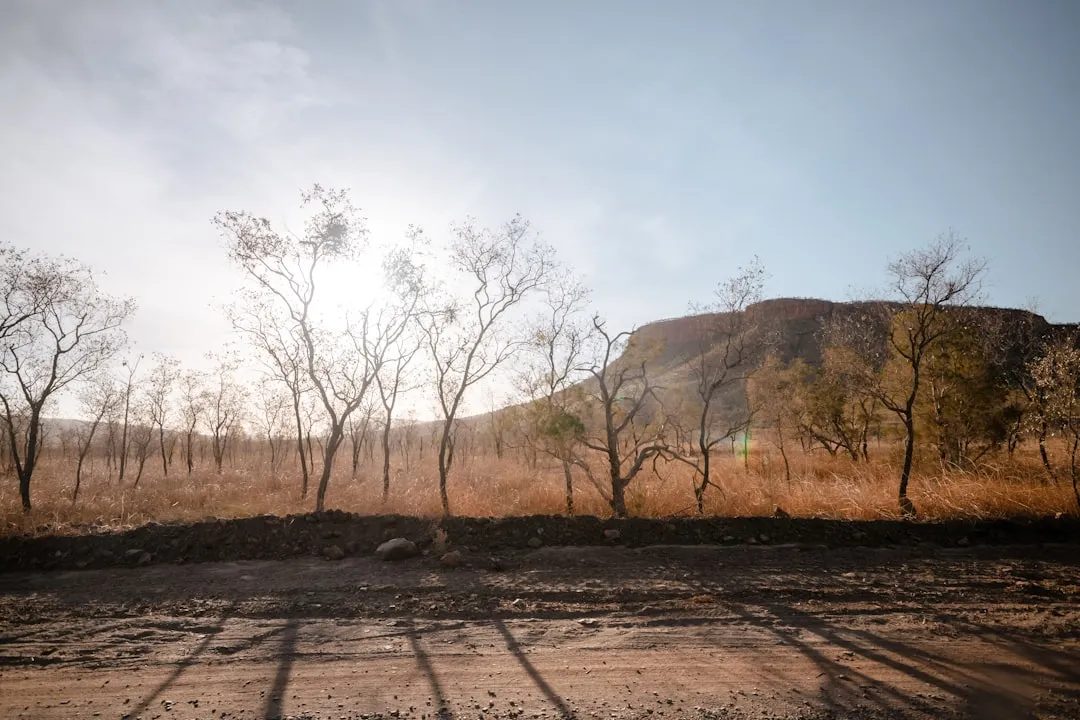
Even the toughest tree will underperform if it ends up in the wrong spot. A large-scale study of homes in Sacramento examined this directly, and the research paper considered the effects of shade on 460 single family homes in Sacramento during the summer of 2007, providing hard statistics on how well-placed shade trees can reduce energy costs and atmospheric carbon. The location relative to the house turned out to matter enormously. Planting trees on the west and south sides of a house decreased summertime electricity use, but planting them on the north side actually increased it, while trees on the east side had no measurable effect. That single detail is easy to overlook when picking a planting spot, but it can be the difference between a tree that earns its keep and one that just looks nice.
Getting Trees Through Their First Dry Summers
Drought tolerance is a trait that develops with age and root depth, not something a young sapling arrives with on day one. Nursery guidance is consistent on this point across species. The general approach is to pick the right tree, prep the hole well, water deeply in year one, mulch smartly, then relax. That first year or two of deep, infrequent watering encourages roots to grow downward searching for moisture, which is exactly the habit that makes these species so self-sufficient later. Skimping on water early, ironically, can leave a supposedly drought-tolerant tree more fragile rather than tougher.
Soil Matters More Than Most People Expect
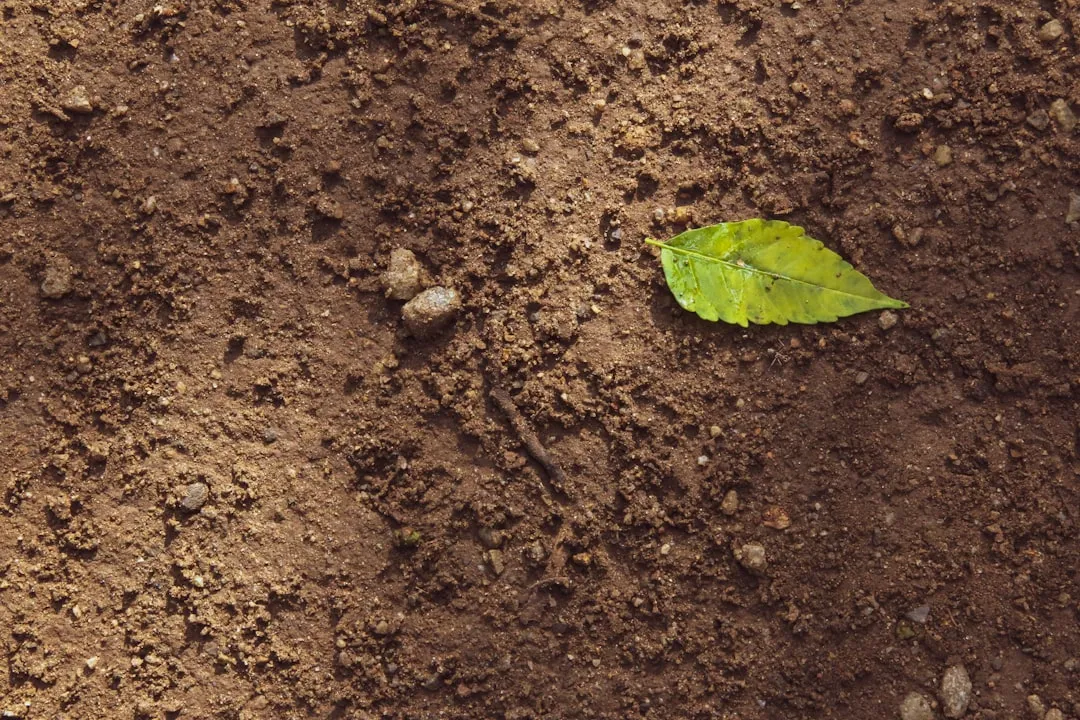
It is tempting to assume a drought-tolerant tree simply needs less care across the board, but soil conditions can quietly undo that advantage. Many of these species actually do poorly in rich, constantly moist ground. They prefer well-drained, often lean or rocky soils, and heavy clay or overfertilized soil should be avoided, since too much water or nutrients can make drought-adapted species weak and short-lived. Pairing a bur oak or Kentucky coffeetree with a separate irrigation zone away from a thirsty lawn or flower bed usually produces a healthier, longer-lived tree than trying to blend it into a heavily watered landscape.
The Long-Term Payoff Of Planting Smart
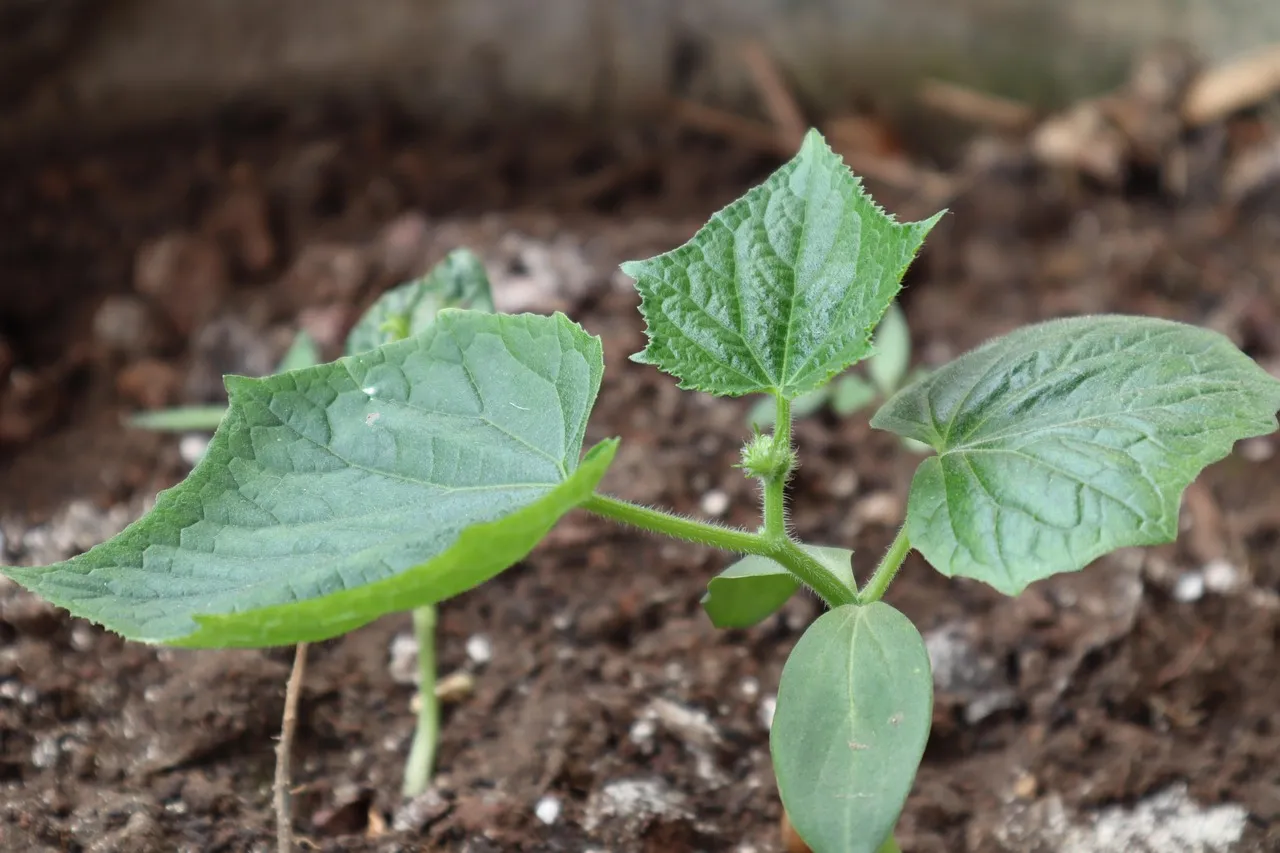
None of this is a quick fix, and that is really the point. A young sapling planted this year will not throw meaningful shade for a decade or more, but the return compounds steadily after that. In water-restricted regions, the right tree is not just a plant choice, it is an infrastructure choice that pays back with lower bills, cooler microclimates, and fewer replacements. Choosing species suited to dry conditions from the start, rather than fighting the climate with a thirstier ornamental, tends to save both money and disappointment down the road. A bur oak, a Chinese pistache, a desert willow, or a Kentucky coffeetree planted with some thought about placement today is really a gift to whoever is standing in that yard’s shade twenty summers from now.
AI Disclaimer: This article was created with the assistance of AI tools and reviewed by a human editor.