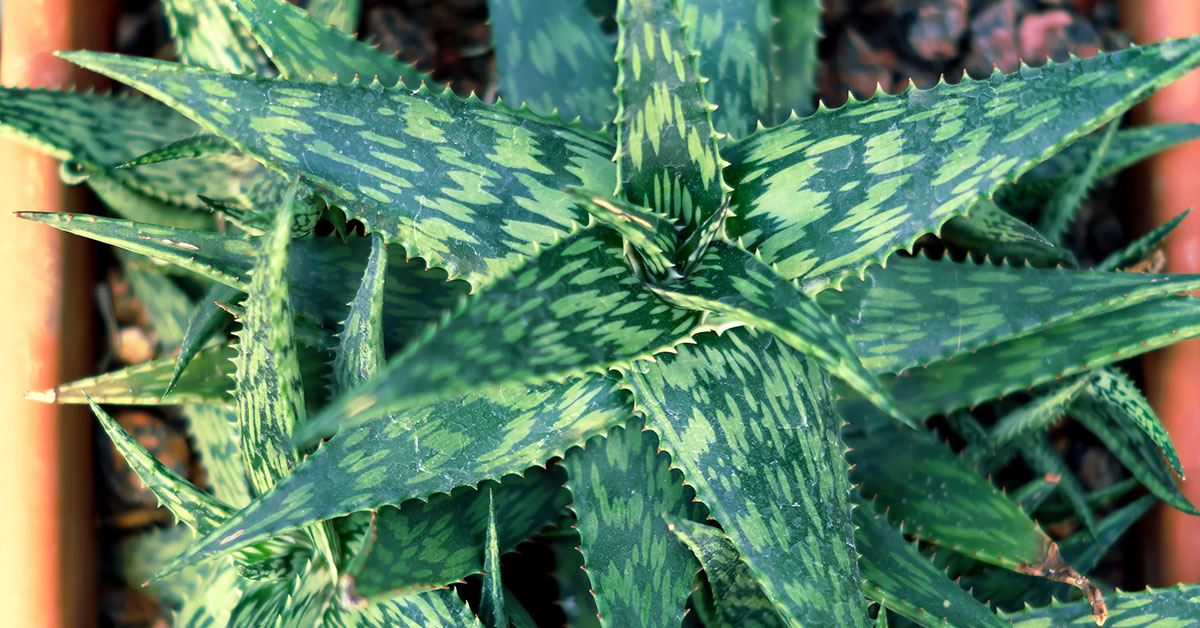

Aloe variegata, also known as Tiger Aloe or Partridge-Breasted Aloe, is a unique succulent plant that is native to South Africa. This plant is highly valued by gardeners and plant enthusiasts for its ornamental value, as well as its medicinal and healing properties. In this article, we will explore the care guidelines, propagation techniques, transplanting instructions, and growth rate analysis of Aloe variegata.
Caring for Tiger Aloe
Aloe variegata is a low maintenance plant that is relatively easy to care for. It requires bright but indirect sunlight and a well-draining soil mix that is specifically designed for cacti and succulents. The soil should be kept moist but not wet, and the plant should be watered only when the soil is completely dry.
During the summer months, the plant should be watered more frequently to prevent the leaves from becoming dehydrated. However, during the winter months, the plant should be watered less often to avoid overwatering and root rot.
Aloe variegata also requires regular fertilization during the growing season, which typically runs from spring to fall. A slow-release fertilizer with a high phosphorus content can be used to promote healthy growth and blooming.
How to propagate Tiger Aloe
Aloe variegata can be propagated using several different methods, including offsets, leaf cuttings, and seed. The most common method of propagation is through offsets, which are small plants that develop at the base of the parent plant. To propagate through offsets, simply separate the baby plant from the parent plant using a sharp, sterile knife and repot it into its own container.
Another method of propagation is through leaf cuttings. To do this, carefully remove a healthy leaf from the parent plant, let it dry out for a day or two, and then plant it in a well-draining soil mix. Keep the soil moist but not wet, and within a few weeks, the leaf should begin to develop roots and a new plant will start to grow.
Transplanting Instructions
Aloe variegata does not require frequent repotting and should only be repotted when it has outgrown its container or when the soil has become depleted. When transplanting, it is important to choose a pot that is only slightly larger than the current container to avoid overwatering and root rot.
To transplant, carefully remove the plant from its current container and gently loosen any tangled roots. Add a layer of fresh soil to the bottom of the new container and place the plant in the center. Fill in the gaps with fresh soil, making sure not to bury the plant too deeply. Water thoroughly and allow the soil to settle before placing the plant in a bright, indirect light.
How often should you water Alie variegata?
The recommended watering frequency for Tiger Aloe is to water the plant thoroughly when the soil is completely dry. This typically translates to watering the plant every 1-3 weeks depending, but it is important to check the soil moisture level with a finger or moisture meter before watering to ensure that the plant is not overwatered.
During the summer months when the plant is actively growing, it may require more frequent watering, while in the winter months when the plant is dormant, it may require less frequent watering. It is important to avoid overwatering, as this can lead to root rot and other issues.
How fast do tiger aloe grow?
Aloe variegata is a slow-growing plant that typically grows to a height of 6-8 inches and a width of 8-10 inches. However, with proper care and ideal growing conditions, it can grow up to 12 inches in height and 18 inches in width.
The plant typically blooms in the summer months, producing small, tubular flowers that are yellow to orange in color. The flowers are arranged in clusters on tall, upright spikes that can reach up to 2 feet in height.
In conclusion, Aloe variegata is a unique and attractive succulent plant that is relatively easy to care for and propagate. With its ornamental value and medicinal properties, it is a great addition to any garden or collection of plants. By following the care guidelines, propagation techniques, transplanting instructions, and growth rate analysis outlined in this article, you can ensure that your Tiger Aloe thrives and remains healthy for years to come.