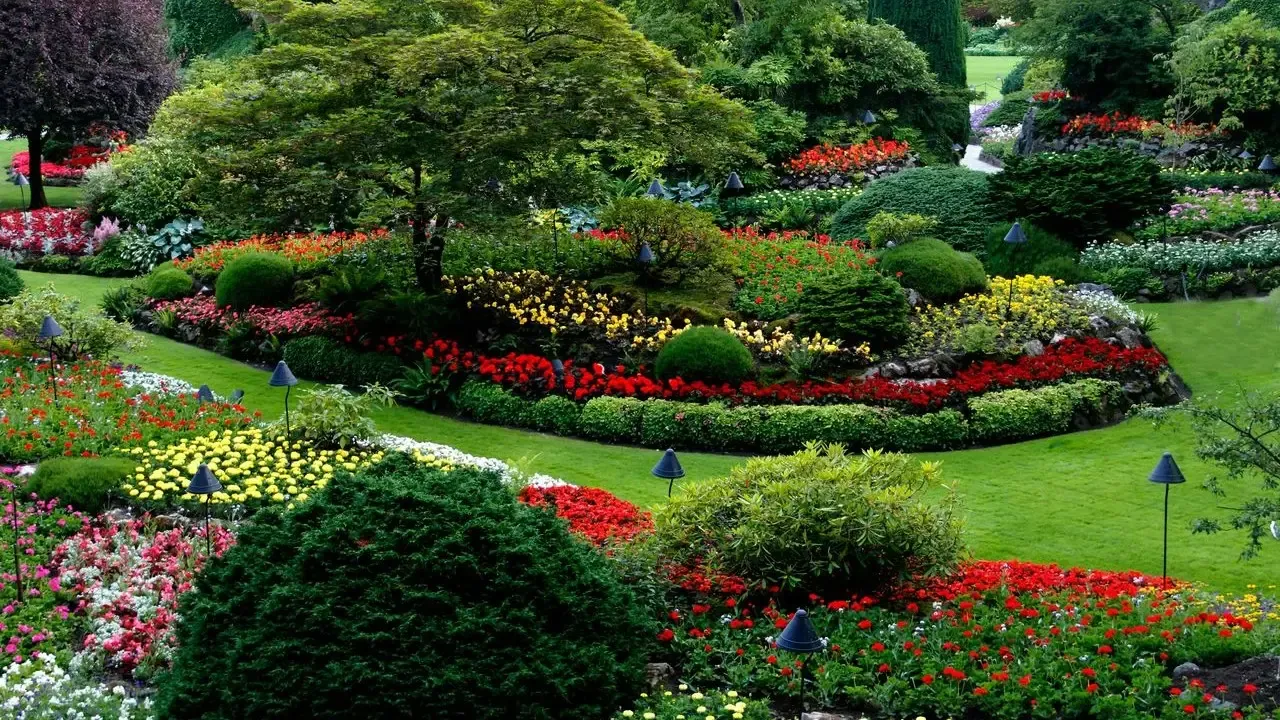

The gardening world has spent years championing wild, rewilded, and meadow-style plantings as the modern ideal. Yet a growing number of gardeners now describe a different experience once summer heat and storms arrive. They find themselves drawn instead to spaces that feel deliberate and contained.
The Push Toward Wild Styles
Over the past two decades, naturalistic designs have dominated conversations in gardening circles. Advocates promoted these approaches for their ecological benefits and lower maintenance claims. The style spread widely through social media and design publications, often presented as the new standard for thoughtful gardeners.
Many embraced the idea of letting plants intermingle and self-seed. The approach promised habitat value and a break from rigid formality. In theory, it aligned with broader environmental goals and offered visual interest through layered textures.
When Wild Becomes Overwhelming
Reality often diverges from the curated images shared online. In temperate regions, vines and tree seedlings quickly encroach on beds after heavy rain. Weedy species such as goldenrod and poison ivy establish strong footholds, blurring intended lines and creating a sense of visual clutter.
Gardeners without extensive experience managing these systems can feel the space slip out of control. What appears effortless in photographs demands constant intervention to prevent total takeover. The result can leave even dedicated practitioners feeling exhausted rather than inspired during peak growing season.
Seeking Order in Structured Areas
Many gardeners report turning to more formal zones when the surrounding landscape feels too chaotic. Enclosed vegetable gardens or geometric beds provide clear boundaries and immediate visual calm. These spaces allow focused work that restores a sense of agency.
Tasks such as clipping spent foliage, straightening supports, and maintaining gravel paths create tangible progress. The contrast with looser plantings nearby can make the wilder areas feel more approachable afterward. Order here serves as a counterpoint rather than a rejection of complexity.
Why Balance Matters Now
Both wild energy and deliberate structure bring distinct qualities to a garden. The former supplies dynamic growth and ecological function. The latter delivers rest and clarity that prevent the entire space from feeling overwhelming.
Key elements that support this balance include:
- Defined edges around beds or enclosures
- Geometric layouts in high-use zones
- Regular removal of wayward growth to preserve walkways
- Simple hardscaping that contrasts with softer plantings
These choices do not eliminate naturalistic areas. They simply prevent them from dominating every view and every moment spent outdoors.
A Lasting Place for Both Approaches
The instinct for tidiness reflects a human need for contrast within living landscapes. Gardens thrive when they accommodate both exuberant growth and moments of restraint. This combination sustains long-term enjoyment rather than short-term trends.
As the season progresses, many will continue refining that mix. The result is a garden that feels alive without becoming exhausting.
AI Disclaimer: This article was created with the assistance of AI tools and reviewed by a human editor.