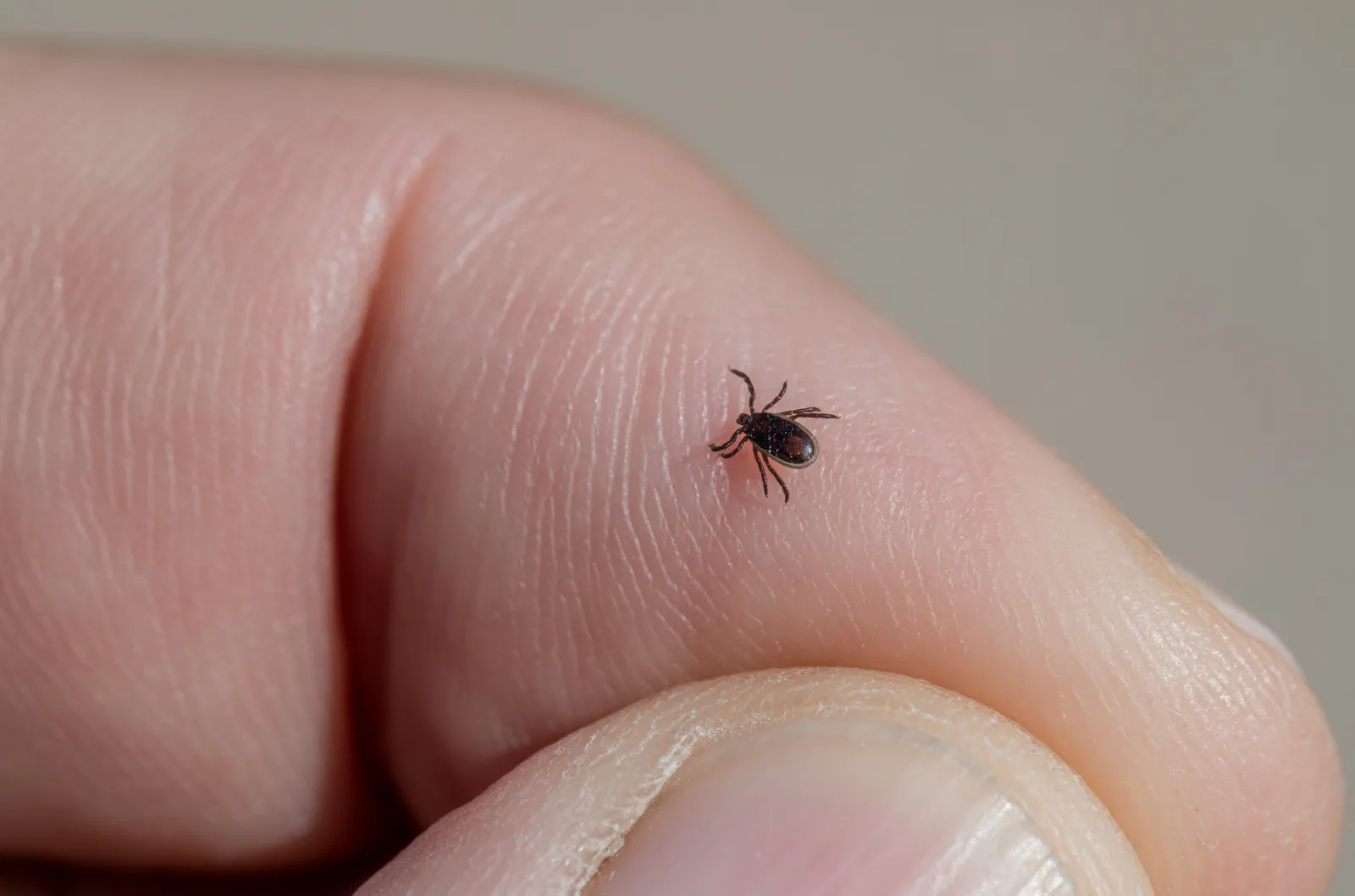

New Hampshire – A 66-year-old avid outdoorsman remains hospitalized after a tick bite triggered a rare viral infection that quickly stripped him of speech and mobility. The case has drawn attention to Powassan virus, a little-known tick-borne pathogen that can produce severe neurological effects with limited warning time. Friends and family describe the rapid decline as a stark reminder of risks faced during routine outdoor activities.
Rapid Decline After Routine Outing
John Reagan was walking his dog when he encountered the tick. He soon felt worn down and sought care at a local hospital. Within a day his condition worsened sharply, leaving him nonverbal and struggling to move his limbs. Medical staff transferred him to Massachusetts General Hospital in Boston after two weeks. He required ventilator support for breathing. Recent updates indicate some signs of improvement, including small movements in fingers, toes, and eyelids, along with periods of breathing without assistance.
What Sets Powassan Apart
Powassan virus differs from more familiar tick-borne illnesses in its transmission speed. The deer tick can pass the virus in as little as 15 minutes of attachment. Symptoms may appear one to four weeks later and range from fever and headache to confusion, seizures, or paralysis. Only a handful of cases occur nationwide each year. New Hampshire health officials report three to four diagnoses annually in the state. No vaccine exists, and no specific antiviral treatment is available. Care remains supportive while the body fights the infection.
Why Awareness Matters Now
Reagan’s friends note that many people have never heard of the virus until a case surfaces locally. The illness can progress before standard tick checks or preventive steps fully address the threat. Outdoor enthusiasts, including gardeners and hikers, face exposure during peak tick season. Family members and friends are actively sharing the story to highlight vigilance. They emphasize checking skin and clothing after time spent in wooded or grassy areas, even during short outings with pets.
Looking Ahead for Outdoor Communities
This incident underscores how quickly a single bite can alter daily life for an active individual. Medical experts continue to stress early recognition of neurological changes following any tick exposure. Continued monitoring and prompt medical attention remain the primary tools available while research into prevention advances. The focus now rests on practical habits that reduce contact time with ticks and on prompt reporting of unusual symptoms after outdoor exposure.
AI Disclaimer: This article was created with the assistance of AI tools and reviewed by a human editor.