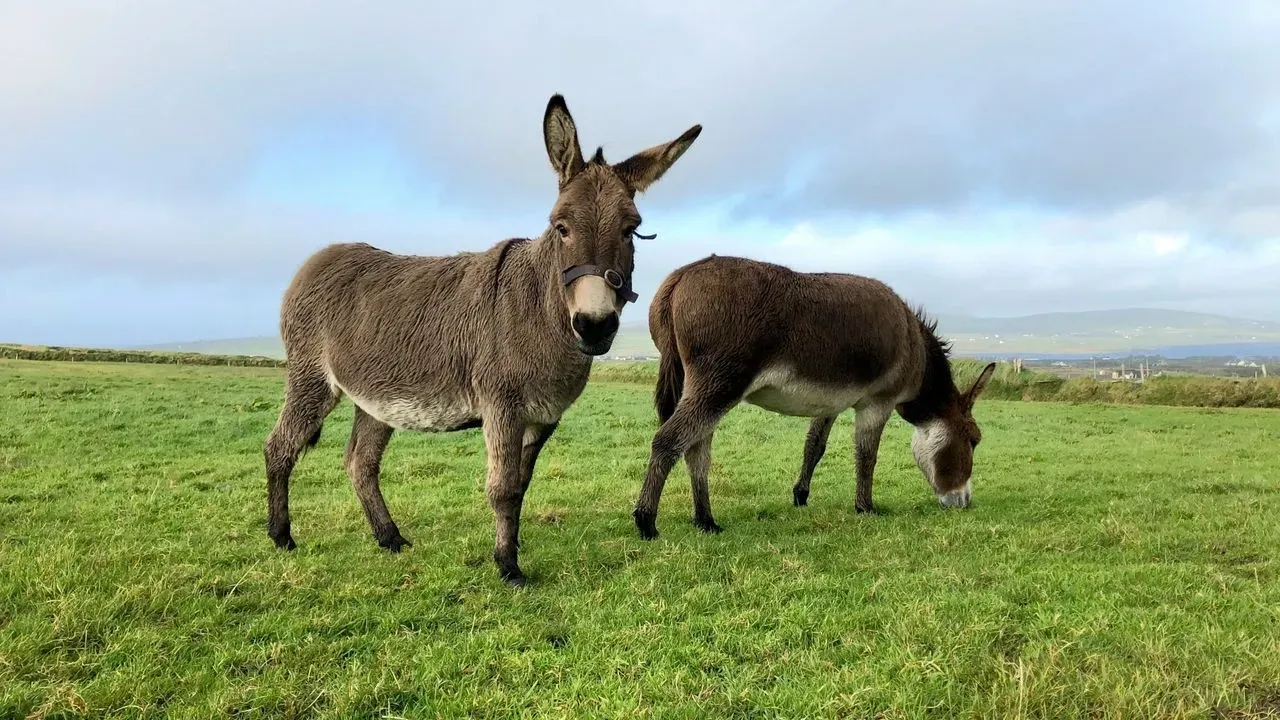

A new study shows that just three minutes spent with a miniature horse or donkey can measurably improve how adolescents feel. Researchers at the University of California, Davis, tested the brief encounters and found consistent drops in reported sadness and loneliness. The effect held even after the animals moved on. ([1])
Quick Encounters, Clear Shifts
Sixty-one teenagers took part in the experiment. Each spent three minutes with a small group of two miniature horses and two miniature donkeys. Half the teens gently stroked the animals’ backs. The others gave vigorous neck scratches that mimic how equines groom one another.
After the short sessions, every participant reported feeling calmer and less nervous, sad, lonely, and excited. The improvements appeared right away and did not require long or repeated contact.
Reading Animal Signals Matters
Teens also learned to notice two key behaviors. Lip-wriggling signaled the animal’s pleasure. Walking away showed the animal wanted space. Those who spotted these cues experienced larger reductions in loneliness and sadness.
The animals responded differently to the two styles of touch. They wriggled their lips during 75 percent of the neck-scratching sessions and 48 percent of the gentle-petting ones. They walked away more often during petting sessions than during scratching.
Quality Over Constant Contact
The findings point to a simple idea: brief, respectful interactions can still deliver benefits. When animals are free to approach, stay, or leave, the exchange feels more genuine to the person involved. That sense of mutual choice appears to strengthen the mood lift.
Rebecca Calisi Rodríguez, the study’s lead researcher, noted that making the interaction better for the animal may also make it better for the human. She emphasized that meaningful contact does not require nonstop engagement from either side.
Placing the Results in Context
Teen mental health challenges remain widespread. Roughly 40 percent of U.S. high school students report persistent sadness or hopelessness. Nearly one in five youths ages 12 to 17 has experienced a major depressive episode in the past year. Similar patterns appear in global data.
Equine-assisted programs already operate in hospitals, schools, and therapy centers. Earlier research has linked horse interactions to lower stress hormones and steadier heart rates. The new work adds evidence that even very short visits can fit into that broader picture when animal comfort is considered.
Designing Better Animal-Assisted Programs
The study suggests practical adjustments for future efforts. Programs could teach participants to watch for animal signals and respect moments when the animal steps away. Such attention may increase the emotional return for both the teen and the animal.
Further research will test whether these short, cue-aware sessions produce lasting changes and whether the approach works across different settings. The core observation stands: three focused minutes with a miniature horse or donkey can shift how a teenager feels in the moment.
AI Disclaimer: This article was created with the assistance of AI tools and reviewed by a human editor.