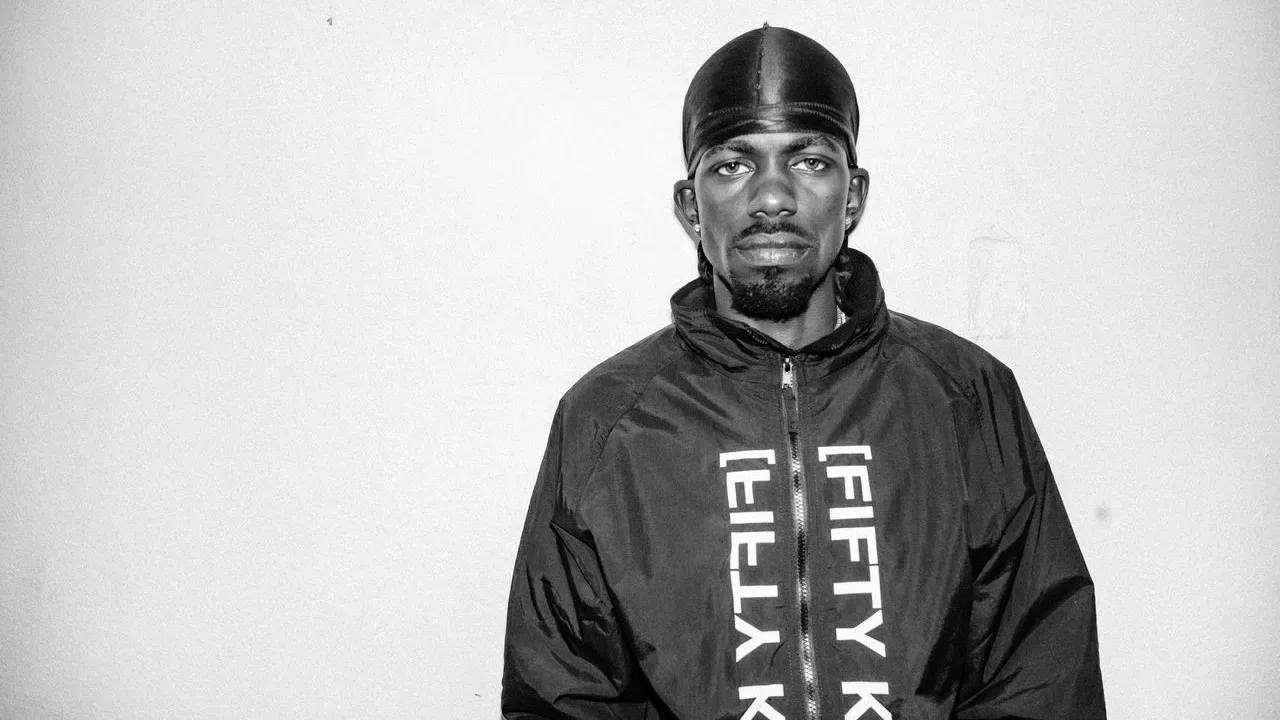

Las Vegas – Opening statements are scheduled to begin Monday in the long-awaited trial over the 1996 killing of rapper Tupac Shakur. The proceedings mark the first time a courtroom has formally examined the circumstances of one of hip-hop’s most enduring unsolved cases. After nearly thirty years, the case is finally moving from investigation to public adjudication in a Nevada court.
Why the Case Still Resonates
Shakur was shot multiple times in a drive-by attack on the Las Vegas Strip on September 7, 1996, and died six days later. The killing occurred at the height of his career and amid well-documented tensions within the rap world. Public interest has never faded because the circumstances pointed to possible motives tied to personal rivalries and industry conflicts that were never fully resolved in court.
The passage of time has turned the case into a cultural reference point. Fans, journalists, and researchers have revisited the events through books, documentaries, and interviews. Each new development has been measured against the absence of a definitive legal outcome, leaving room for competing narratives about what happened that night.
From Investigation to Trial
Authorities arrested Duane Keith Davis, known as Keefe D, in 2023 and charged him with murder. Prosecutors allege he was present in the vehicle used in the shooting and played a role in planning or carrying it out. The case has moved slowly through pretrial hearings, reflecting the challenges of building a prosecution around evidence collected decades earlier.
Legal teams on both sides have had to navigate issues common to cold cases, including the reliability of witness recollections and the availability of physical evidence. The start of opening statements signals that the court has determined there is enough material to present to a jury, though the strength of that material will be tested in the coming weeks.
What Remains Unknown
Even as the trial begins, many details are still expected to emerge only through testimony and exhibits. The prosecution will need to establish not only who fired the shots but also the chain of events and intent that led to the attack. Defense arguments are likely to focus on gaps in the original investigation and questions about the credibility of key witnesses.
Observers note that a single trial cannot resolve every lingering question from 1996. Some aspects of the broader context, including possible connections to other incidents around the same period, may remain outside the scope of this proceeding. The outcome will hinge on the evidence presented rather than on the weight of public speculation built up over the years.
Looking Ahead
The trial represents a rare instance in which a high-profile cold case reaches a jury decades after the fact. Whatever the verdict, the process itself brings a measure of formal scrutiny that has been missing since the original investigation. For those who have followed the story since the 1990s, the courtroom phase offers the first structured opportunity to weigh the available facts under legal standards.
Attention will now shift to the testimony and arguments that unfold in the coming days. The case continues to illustrate how difficult it can be to achieve closure in matters that once dominated headlines and still shape cultural memory.
AI Disclaimer: This article was created with the assistance of AI tools and reviewed by a human editor.