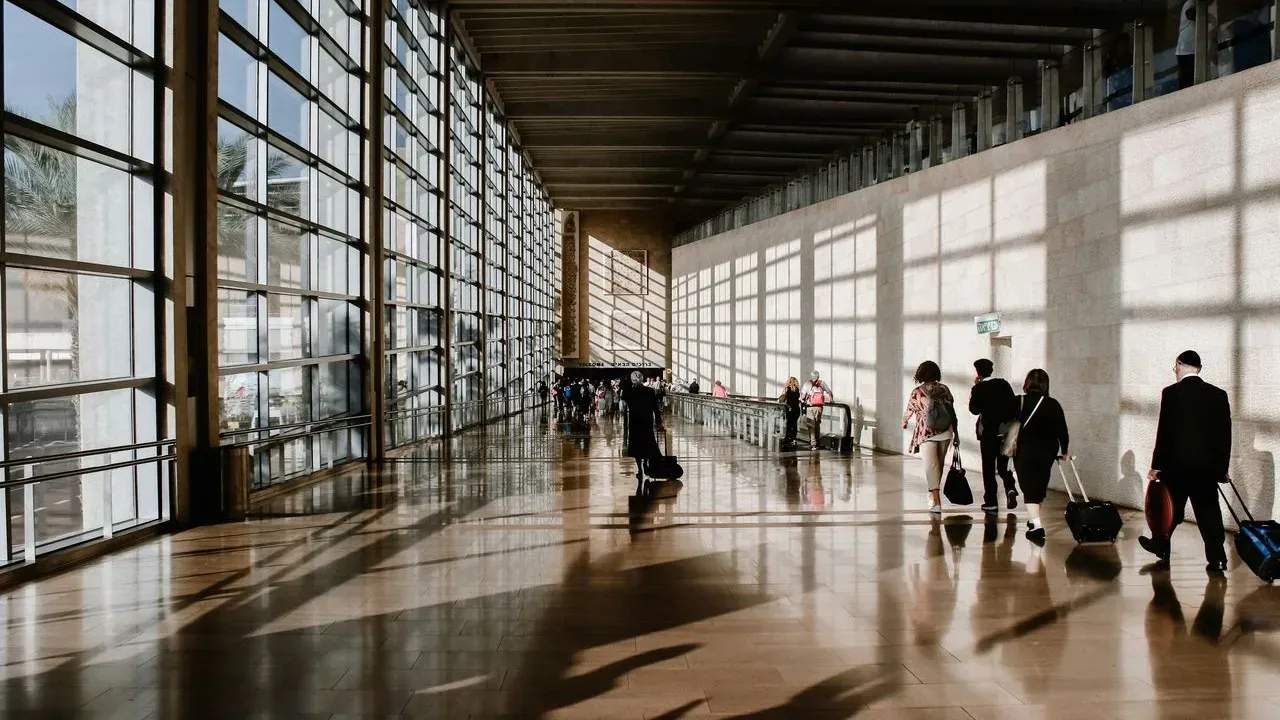

Airlines are still working through the fallout from a rare nationwide halt to U.S. departures, and the disruption has carried into Saturday. According to the flight-tracking website FlightAware, ([1])over 3,600 flights were canceled Saturday and more than 1,600 were delayed nationwide as of Saturday morning. The timing matters for travelers, since Thanksgiving falls on November 26 and many households will be booking flights in the coming days.
A four-hour stop with a long tail
Nationwide ground stops are rare. This one was only the second ordered since the September 11 attacks, according to ([2])ABC News. The FAA issued the order at 3:54 p.m. Eastern on Friday, pausing departures for all airlines, and lifted it at 8:15 p.m. that evening.
The stop did not end the problem when it lifted. Aircraft waiting to leave had to stay at their gates while flights already in the air were allowed to reach their destinations. Airlines began announcing cancellations Friday evening, and FlightAware recorded 9,159 cancellations and 7,190 delays for the day, which ([3])put the day among the worst for U.S. airlines this year. Transportation Secretary Sean Duffy warned that restoring normal operations would take time, and that warning has proven accurate so far.
What officials have said about the cause
Duffy has attributed the outage to overloaded routers in the air traffic control system. The FAA has said a router sent too much data to older air traffic control equipment, which then became overloaded, according to ([4])NBC News. A senior government official told NBC that the system responsible had been identified and taken offline.
Homeland Security Secretary Markwayne Mullin said there was no indication the problem was a cyberattack. Officials are still examining the failure, including whether faulty equipment or a contractor installation error played a role. That review remains open, and no final findings have been released.
Where the cancellations are landing
The cancellations have not been spread evenly across carriers. Delta Air Lines, United Airlines and American Airlines reported the largest shares of canceled Saturday flights, with Delta at 20 percent, United at 17 percent and American at 15 percent as of mid-morning Eastern time, according to ([5])CNN. The situation looked more severe at smaller carriers and a few others, as the list below shows.
- JetBlue canceled 335 flights, or 40 percent of its schedule, the highest share among major U.S. airlines
- Delta canceled 640 flights, the highest overall number
- Southwest canceled 304 flights
Airlines are also canceling some flights in advance to move planes and crews back into position. That is one reason delays on Saturday were lower than the Friday totals, even though cancellations remained high. Busy hubs have absorbed much of the impact so far.
What travelers can do before the holiday rush
Passengers should check flight status directly with their airline before heading to the airport. The FAA’s National Airspace System Status website and FlightAware both allow travelers to monitor conditions at specific airports. Under federal rules, ([6])passengers whose flights are canceled or significantly changed are generally entitled to a refund if they decline the airline’s alternative transportation or travel credits.
What matters now: The ground stop is over, but the cancellations and rebooking work are not. Travelers with flights this weekend or in the days before Thanksgiving should confirm their schedules, keep an eye on airline apps, and understand the refund options if a trip is canceled.
The coming days will show whether airlines can clear the backlog before the heaviest travel period begins. For now, the clearest lesson is practical: a single technical failure in the national air traffic system can ripple across thousands of flights within hours, and the recovery can take longer than the outage itself.
AI Disclaimer: This article was created with the assistance of AI tools and reviewed by a human editor.