
Pumpkins are one of the highlights of the fall season, bringing festive charm to front porches, dining tables, and holiday celebrations. As soon as autumn arrives, grocery stores fill their entrances with bins of bright orange pumpkins, tempting shoppers to grab one on the way in. While it may seem convenient, buying pumpkins from big-box retailers and supermarkets is not always the best choice for gardeners, decorators, or cooks.
There are hidden downsides to grocery store pumpkins, from poor quality and limited variety to environmental concerns and missed opportunities to support local farmers. If you want fresher, longer-lasting, and more unique pumpkins this year, it pays to skip the supermarket and shop smarter. Here are the key reasons why grocery store pumpkins are often not worth the purchase.
Grocery Store Pumpkins Are Harvested Too Early
One of the biggest issues with grocery store pumpkins is that they are often harvested weeks before they are fully mature. To keep shelves stocked early in the season, growers pick them before they reach peak ripeness, sacrificing durability and longevity. While these pumpkins may look great at first glance, they tend to soften, shrivel, or rot more quickly once you bring them home.
Fully ripened pumpkins have thicker rinds, better color retention, and longer-lasting flesh. Pumpkins picked too soon are more susceptible to mold and break down faster, especially if used for carving. Local pumpkin farms, on the other hand, harvest closer to the season, meaning their pumpkins are fresher and better suited for decorating, cooking, or storing through the fall.
Limited Varieties at Grocery Stores
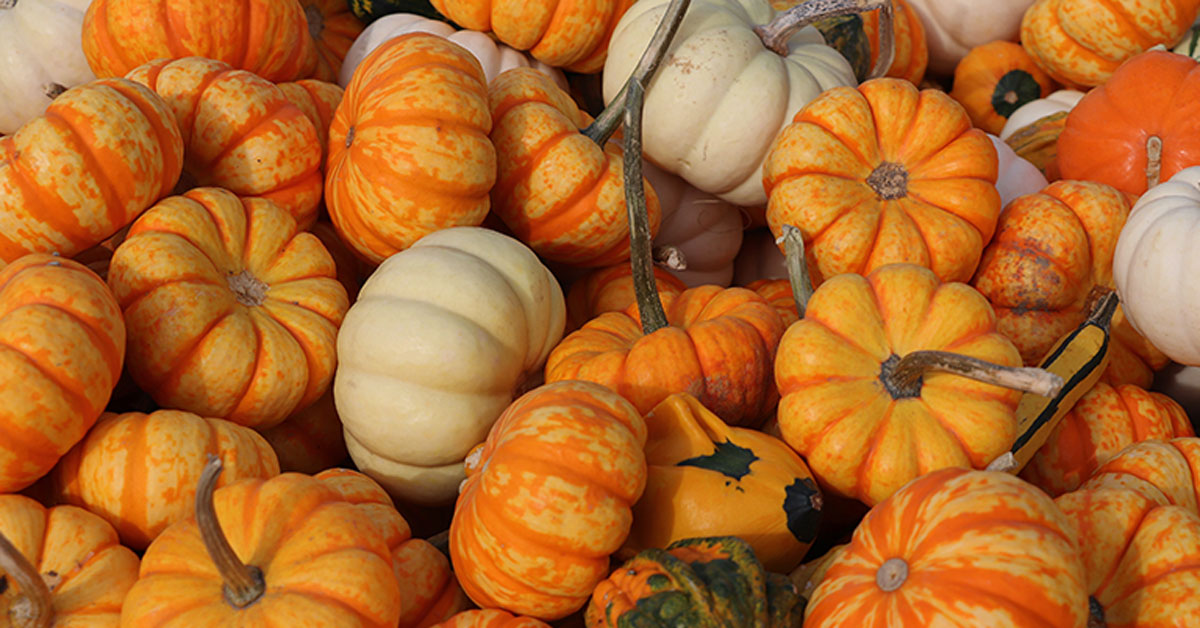
Grocery store pumpkins are usually chosen for mass appeal rather than diversity. You will often find only one or two standard orange varieties meant for carving, leaving out the incredible range of shapes, colors, and textures available from local growers. Specialty pumpkins like white Luminas, heirloom Cinderella pumpkins, knobby Galeux d’Eysines, and pastel blue Jarrahdales rarely make it into supermarket bins.
Shopping at local farms or farmers markets opens the door to far more options, whether you are looking for baking pumpkins, long-lasting decorative gourds, or unusual showpieces. These unique varieties not only make your fall displays more interesting but also taste better if you plan to cook with them. Choosing diverse pumpkins also helps preserve heirloom genetics and supports growers who focus on quality rather than mass production.
They Are Often Shipped Long Distances
Many grocery store pumpkins travel hundreds, if not thousands, of miles before reaching your local store. Pumpkins destined for supermarkets are grown in massive commercial operations, loaded into trucks, and distributed nationwide to meet demand. This long journey means they are handled multiple times, bruised along the way, and stored for extended periods under artificial conditions.
By the time you buy one, the pumpkin may already be several weeks old, increasing the likelihood of rot and reducing its overall freshness. In contrast, buying locally grown pumpkins cuts down on transit time and ensures they go from the field to your doorstep in far better condition. Supporting nearby farms also reduces your environmental impact by lowering the carbon footprint associated with long-distance shipping.
Grocery Store Pumpkins Are Priced Higher Than You Think
While grocery store pumpkins can seem cheap at first glance, their cost per pound is often higher than what you will find at local farms or markets. Stores know that pumpkins are impulse buys during the fall season, so they strategically price them to maximize profits, even if the quality does not match the price tag.
Visiting a pumpkin patch or buying directly from a grower often means you get more for your money, both in size and quality. Local farms frequently sell larger, fresher pumpkins at better prices while giving you access to a wider range of choices. Beyond saving money, you also get a better overall value by purchasing directly from the source rather than paying extra for pumpkins that have spent weeks in transit and storage.
They Do Not Last as Long
Pumpkins from grocery stores are less likely to last through the entire fall season, especially if they were harvested early or stored for long periods. Their rinds are often thinner, and bruises from shipping accelerate soft spots, leading to premature rotting. This is particularly frustrating if you plan to display pumpkins from September through Thanksgiving.
Pumpkins sourced from local farms are typically fresher and sturdier, making them better suited for long-lasting porch displays or indoor decorations. Many heirloom and specialty varieties offered by local growers are specifically selected for their durability, meaning they hold their shape and color far longer than mass-produced carving pumpkins.
Poor Quality for Cooking
If you plan to use pumpkins for pies, soups, or roasting, grocery store varieties are rarely the best choice. Most supermarket pumpkins are grown for carving, not flavor, which means their flesh can be watery, bland, or stringy when cooked. Using the wrong variety can lead to disappointing results in the kitchen.
Local farms often grow specific culinary varieties like Sugar Pie, Long Island Cheese, or Rouge Vif d’Etampes, which have dense, sweet, and flavorful flesh perfect for baking and cooking. Choosing pumpkins bred for taste rather than appearance ensures your fall recipes shine while supporting growers who prioritize quality over quantity.
Missed Opportunity to Support Local Farmers
Every pumpkin you buy at a grocery store represents money leaving your local economy. Large retailers source most of their pumpkins from national distributors and massive growing operations, meaning little of your purchase supports the farmers in your own community.
Buying from local pumpkin patches, roadside stands, or farmers markets directly supports small-scale growers and keeps your dollars circulating close to home. This helps sustain local agriculture, preserves open farmland, and strengthens your community’s economy. Plus, visiting a local farm often comes with the added bonus of fall activities, like hayrides and corn mazes, turning your pumpkin purchase into a seasonal experience.
Pesticides and Chemical Treatments
Commercial pumpkin farms that supply big-box stores often rely on heavy chemical treatments to maximize yields and keep pumpkins looking flawless during transport. These treatments can include fungicides, pesticides, and wax coatings designed to slow decay. While effective for presentation, they are less appealing for anyone planning to cook with the pumpkins.
Local farms typically use fewer chemical interventions and prioritize sustainable practices, resulting in healthier, safer pumpkins for your family and the environment. Choosing organic or low-spray pumpkins ensures you are reducing chemical exposure while supporting farming methods that are better for pollinators, soil health, and local ecosystems.
You Miss Out on the Experience
Buying pumpkins at a grocery store might be convenient, but it cannot compete with the experience of picking your own. Local farms and pumpkin patches let you wander through rows of vibrant gourds, choose your favorites straight from the vine, and enjoy seasonal festivities with family and friends.
These experiences create lasting memories while also connecting you to where your food and decorations come from. When you buy from the grocery store, you get a pumpkin, but when you visit a local farm, you get a sense of community, sustainability, and fun that a supermarket display simply cannot offer.
Better Options for Your Fall Pumpkins
Choosing where you buy your pumpkins makes a big difference in quality, variety, and environmental impact. Grocery store pumpkins may seem like an easy solution, but local farms, roadside stands, and farmers markets offer fresher, healthier, and longer-lasting options.
By shopping locally, you gain access to unique heirloom varieties, support small-scale growers, and create a more sustainable, eco-friendly fall season. The result is not just a better-looking pumpkin display but also stronger ties to your community and a healthier garden ecosystem.