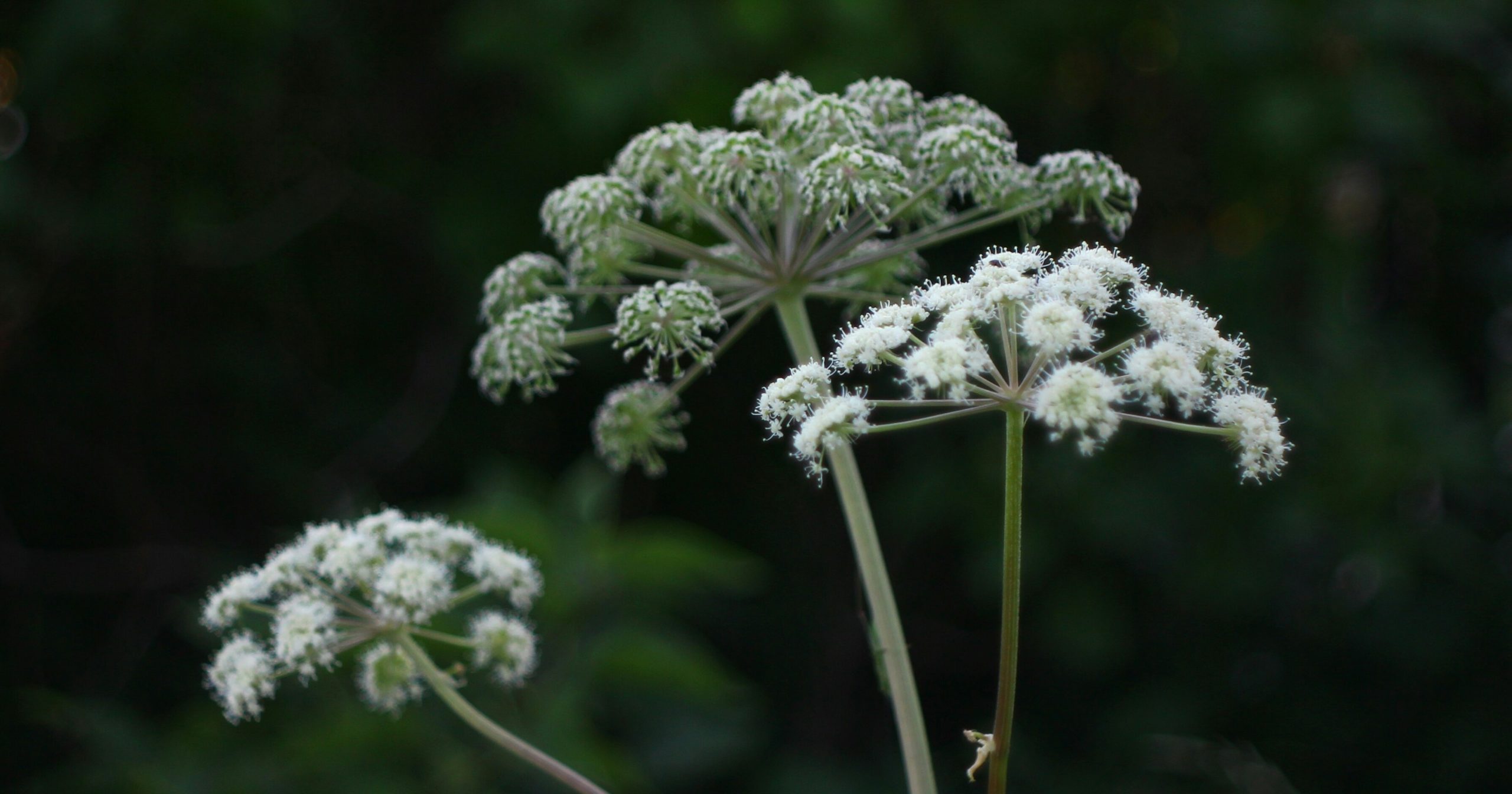

As a gardener, I’m always on the lookout for potential threats to my beloved plants and flowers. One of the most concerning issues you might encounter is the presence of giant hogweed (Heracleum mantegazzianum). This plant is not just a nuisance; it’s extremely dangerous and can cause severe health problems for humans. Knowing how to identify and deal with giant hogweed is crucial for maintaining a safe and healthy garden.
Giant hogweed is a formidable adversary, and its presence should be taken very seriously. This invasive weed can spread rapidly, overtaking native plants and posing a significant risk to anyone who comes into contact with it. In this article, we’ll explore what giant hogweed is, why it’s dangerous, where it can be found, and what steps you should take if you discover it in your yard.
What Is Giant Hogweed?
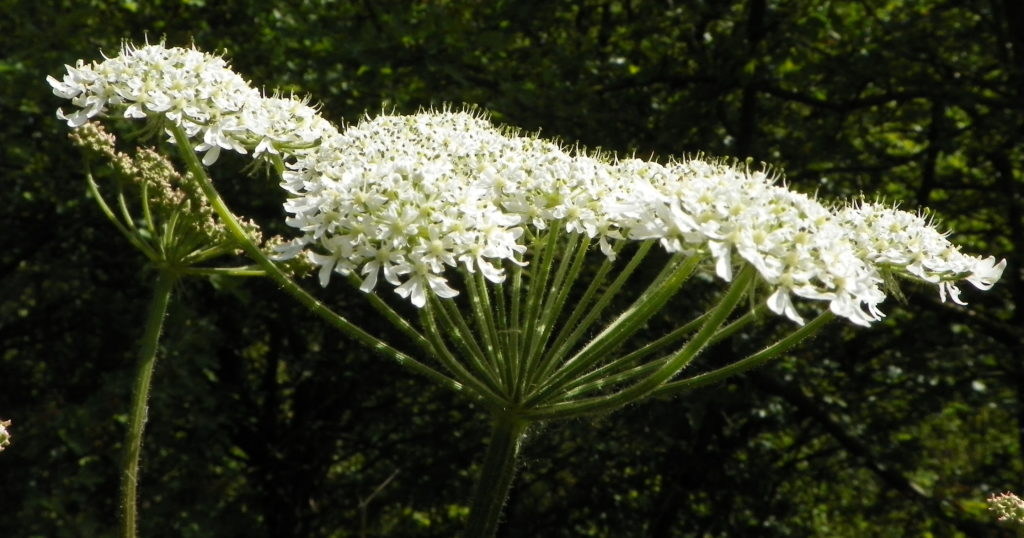
Giant hogweed is a towering plant that can grow up to 14 feet tall! It’s part of the Apiaceae family, which includes carrots and parsley, but don’t let that fool you – this plant is far from harmless. With its large, umbrella-shaped clusters of white flowers and massive leaves, it’s certainly a striking sight, but it’s one you’d rather avoid in your garden.
Originally from the Caucasus region in Asia, giant hogweed was introduced to North America and Europe as an ornamental plant. Unfortunately, it has since become a highly invasive species. Its rapid growth and spread can choke out native vegetation, leading to reduced biodiversity and disrupted ecosystems. If you see a plant that looks like giant hogweed, it’s essential to approach with caution.
Why It’s Dangerous
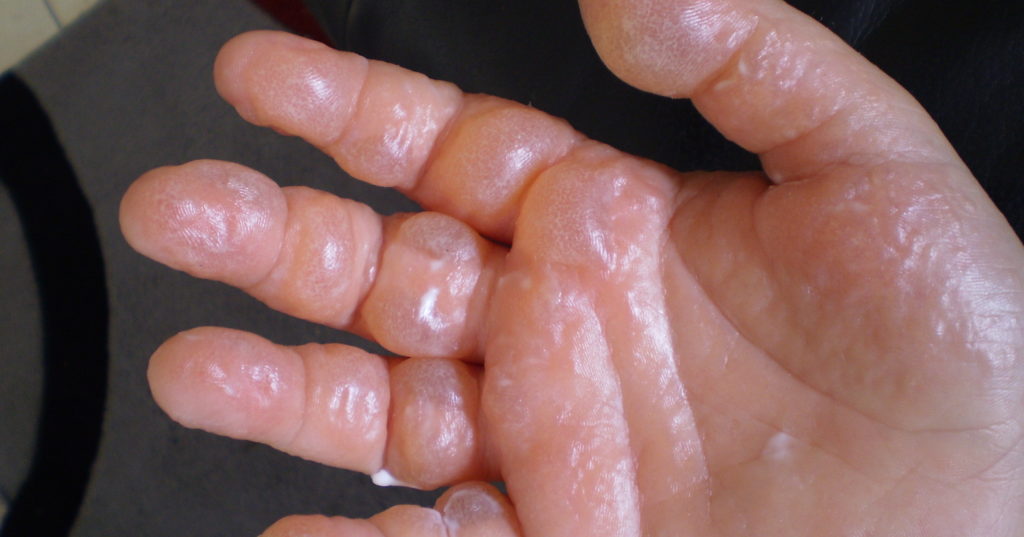
The danger of giant hogweed lies in its toxic sap, which contains compounds called furanocoumarins. When this sap comes into contact with human skin and is then exposed to sunlight, it can cause severe burns, blisters, and long-lasting scars. The reaction, known as phytophotodermatitis, can occur within 24 to 48 hours after exposure and can be extremely painful.
Even more concerning, the effects of giant hogweed can persist for years. Skin sensitivity to sunlight can last long after the initial exposure, and in some cases, it can even cause blindness if the sap gets into your eyes. This makes giant hogweed not just a garden pest but a significant health hazard that requires immediate attention and proper handling.
What It Does

Giant hogweed’s impact is twofold: it’s harmful to humans and destructive to the environment. As mentioned, the sap causes severe skin reactions and can even lead to blindness. The sheer size and rapid growth of the plant allow it to outcompete native species, leading to ecological imbalances. It can form dense stands that dominate the landscape, reducing the diversity of plants and wildlife.
Moreover, giant hogweed can contribute to soil erosion. Its large leaves create a canopy that shades out other plants, preventing them from growing. When the hogweed dies back in winter, the soil is left exposed and vulnerable to erosion. This can lead to further environmental degradation, affecting water quality and the stability of riverbanks and slopes.
Where It Can Be Found
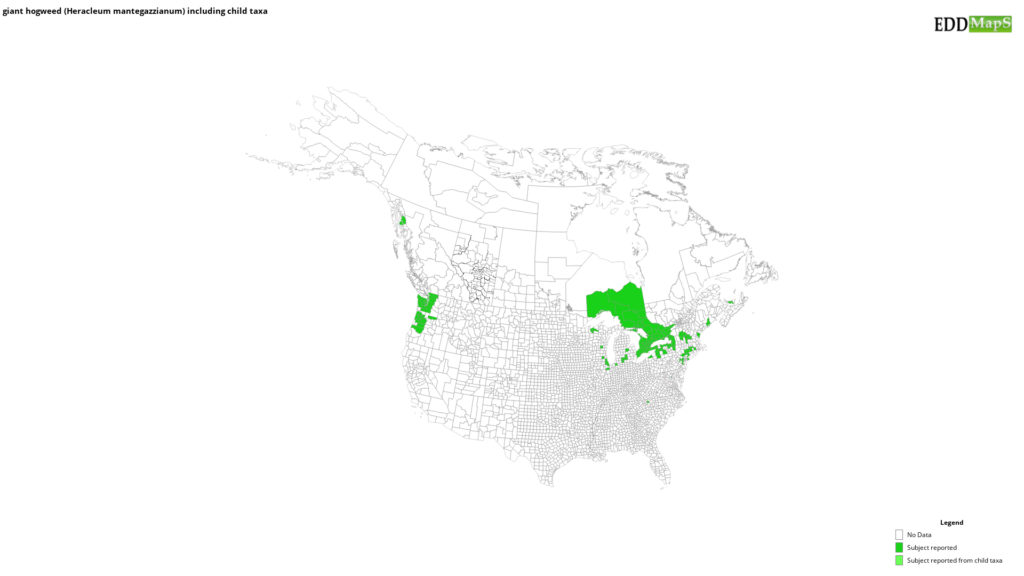
Giant hogweed is commonly found in moist, rich soils, often near water sources like rivers, streams, and ditches. It can also thrive in disturbed areas such as roadsides, railway lines, and abandoned fields. In the United States, giant hogweed has been reported in several states, including New York, Pennsylvania, Ohio, and Oregon. It’s also prevalent in parts of Canada and Europe.
If you live in an area where giant hogweed is known to grow, it’s important to be vigilant. Check local resources and maps to see if there have been sightings near you. Knowing where this plant is likely to appear can help you take preventative measures and avoid accidental contact.
What to Do If It’s in Your Yard
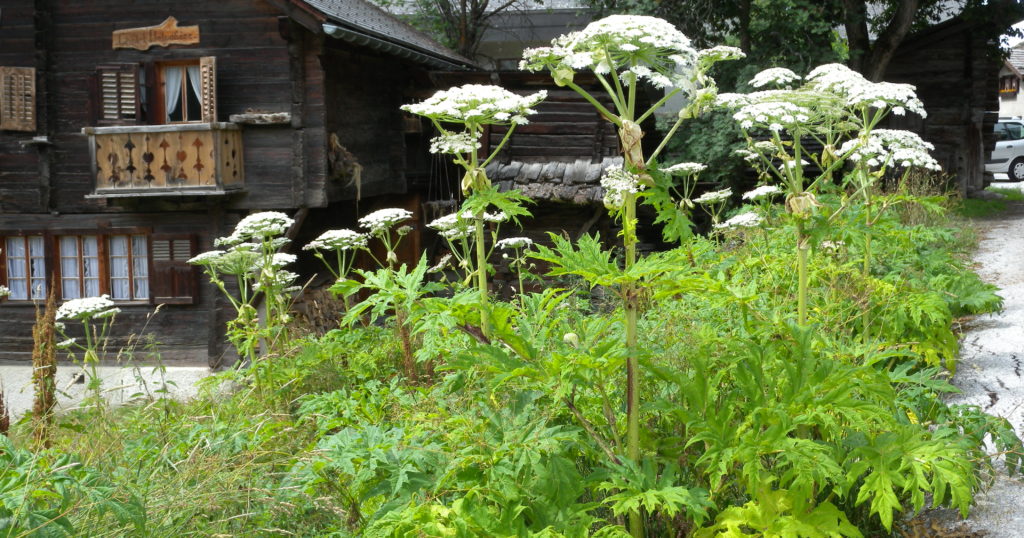
If you suspect that giant hogweed is in your yard, it’s crucial to act immediately but carefully. Do not attempt to remove the plant yourself, as improper handling can lead to serious health risks. Many localities have specialized teams trained to safely remove giant hogweed. Contact your local environmental or agricultural agency to report the sighting and request assistance.
While waiting for professional help, keep yourself, children, and pets away from the plant. If you must be near it, wear protective clothing, including gloves, long sleeves, and eye protection. Remember, even brushing against the plant can transfer sap to your skin. Proper identification and safe removal are key to preventing the dangers associated with this invasive weed.
Giant hogweed is not just a garden nuisance; it’s a serious threat to both human health and the environment. By understanding what it is, why it’s dangerous, and where it can be found, you can take the necessary steps to protect yourself and your garden. If you do find this dangerous weed in your yard, always seek professional assistance for safe removal. Stay safe and vigilant, and keep your garden a beautiful, hazard-free space!